


By Dr Verity Jones (UWE Bristol) and Dr Chris Bear (Cardiff University)
We are pleased to announce the publication of our article, Learning to Care in the Food System: Education for Sustainable Development resources, food education and the farming of animals for food, in Environmental Education Research. This sees the first review of the place of animals in food education resources for 5-11 year olds, making an important contribution to research relating to the nature and role of learning resources for education for sustainable development.
Food politics and animal welfare have recently hit the headlines as the US and UK administrations begin to explore new agreements with regard imported/exported meats. Throughout these discussions, UK representatives have been clear that any imported meat must adhere to strict food and farming standards – for example, imports of hormone-treated beef will not be permitted. This practice was banned in the UK in 1989, along with the rest of the EU, after studies suggested it could pose potential risks to human health and animal welfare. Issues of animal welfare are central to our food system and geopolitics and, we would argue, critical for inclusion within education in every phase.
In our article, we explore 117 resources aimed at ages 5–11 olds, and reflect on the implications of these and how future resources might be designed to prompt not only critical reflection on the food system but more meaningful actions and engagement amongst learners regarding care of animals farmed for food.
Key findings
We found that food education resources focussed on animals for food include very limited discussion on the welfare of farmed animals. Similarly, there are few resources that explore the link between livestock farming, climate change and sustainability – a critical lens through which food production should be framed if we are to develop agile, resilient and adaptable food systems.
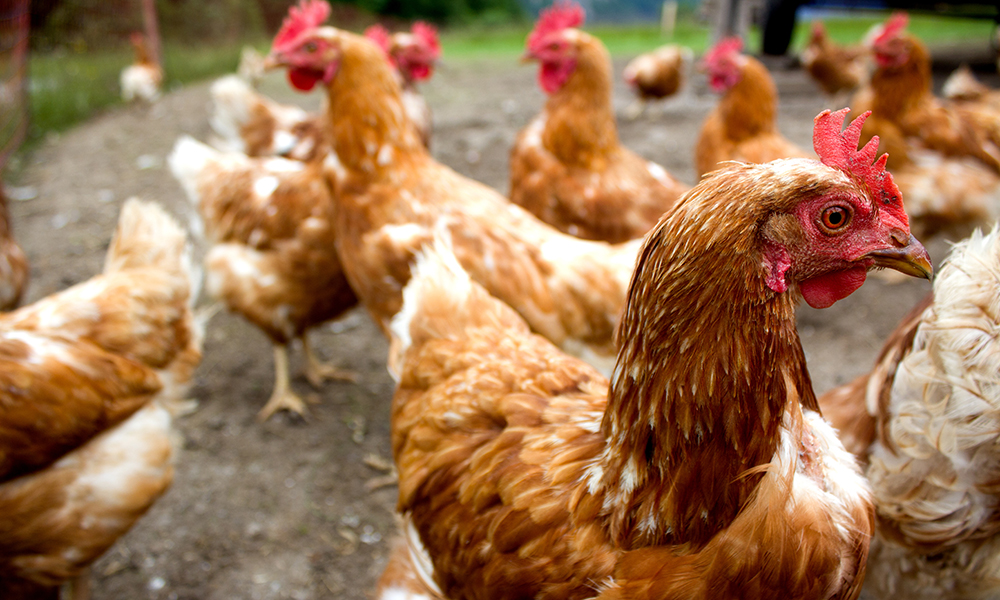
Overall, we note that resources often lack depth in promoting a more-than-human ethic of care, focusing more on human-centric perspectives. We argue that there is a need for resources that extend beyond healthy food behaviours to encompass critical thinking about sustainability and ethical questions around the place of nonhuman animals in the food system. Drawing health, sustainability and animal welfare together in educational resources is a key step towards addressing the complexities of the food system and the role of animals within it.
We call for:
1. Curriculum Development
- Inclusion of Animal Welfare: integration of animal welfare topics into the curriculum in order to foster a more holistic understanding of the food system.
- Sustainability Education: Highlight the connections between livestock farming, climate change, and sustainability in order to support learners navigate environmental impacts of food production.
2. Resource Creation
- Ethically Inclusive Materials: Develop resources that promote a more-than-human ethics of care to help learners appreciate the ethical dimensions of farming and food consumption.
- Critical Thinking: Develop materials that encourage critical thinking about the ethical treatment of animals so to lead to more informed and compassionate future generations.
3. Teacher Training
- Awareness: Train educators to address food systems topics sensitively and knowledgeably in order to enhance the effectiveness of teaching about the food system.
- Interdisciplinary Approaches: Encouraging interdisciplinary pedagogies that combine science, ethics, and environmental issues to provide a more comprehensive educational experience.
4. Student Engagement
- Active Participation: Engage learners in discussions and activities related to food ethics and sustainability to foster a sense of responsibility and care for the environment.
We believe that resources informed by the food system, sustainability and animal welfare have the potential to inform, develop greater empathy, and an environmentally conscious generation, better equipped to tackle the challenges of sustainable food production and ethical consumption.
To find out more, contact Verity (verity6.jones@uwe.ac.uk).
