Robin Ince is now renowned as “the science guy” of comedy. From The Infinite Monkey Cage on BBC Radio 4, to his huge cabaret-style shows with Professor Brian Cox and a whole host of scientists and comedians performing at venues as big as the Royal Albert Hall. With all this, he is possibly one of the biggest names in science communication in the UK and has recently written a book, The Importance of Being Interested, where he explains his long journey from being a child bored by science, to a comedian whose interest in science has grown to be career-defining.
The first time I saw Robin Ince was back in 2008 in a dark basement venue below a cinema in York where I regularly attended comedy gigs as an undergrad. At that point, his shows didn’t have the primary theme of science, but there was interesting bits of evolutionary theory peppered in to his set which I’d never heard in a comedy set before. I was a linguistics student myself, and a stand-up comedy nerd who had long ago decided, despite being quite good at it, that my love of science was very much secondary to my love for language. But something about Robin’s interest and enthusiasm got to me, and among his shows and a host of public engagement events around the 200th Anniversary of the birth of Charles Darwin, I started to wonder if I hadn’t made a terrible mistake in rejecting a future in science.
I distinctly remember at this time lamenting to my personal tutor in the linguistics department that I was struggling with feeling like I should have gone in to evolutionary biology. I remember her considering this before asking me if I knew evolutionary linguistics was, in fact, a thing. The study of how humans evolved to communicate using language. I didn’t, but as soon as I was aware I was hooked and ended up doing my master’s degree in language evolution and ultimately a PhD on the topic. In that moment, I found my “thing”, and I can’t imagine my life without it now. In many ways, I think I only made the choices I did because of Robin Ince raising evolutionary topics into my consciousness at a time when it wasn’t too late. In science communication, we often talk about the objective of raising the “science capital” of children to try and get people to feel like science is “for me” at an age where it can still affect their subject and career choices. I feel like Robin Ince pushed me into that space at the very last second when it could have still affected my career. And now, here I am, a lecturer in science communication who researches, among other things, science comedy.
Recently, I had the pleasure to interview Robin Ince to mark the publication of his new book. In the interview, we discuss in depth the role of science fiction in engagement with science, the role of comedy and cabaret in the communication of science, and attitudes towards offense in both science and comedy. You can listen here:
By Dr Hannah Little, Senior Lecturer in Science Communication at UWE Bristol.
This blog post is part of an exhibit for Engage Conference 2021.
“I’m a Scientist, get me out of here” is an online communication activity where school students interact with scientists. Classes of students ask scientists about their work and lives in a live, text-based, fast-paced chatroom, as well as on a question-answer platform which allows for more considered interactions.
Over the 10 years it has run, scientists have often reported that their communication skills have improved through participation in I’m a Scientist. However, this experiential training has never been formalised, and the scientists aren’t always aware of what they are learning. As such, in 2019 a short communication course was designed to run alongside the I’m a Scientist event.
This course comprised of resources, such as short videos and articles, and questions designed to help the scientists reflect on their learning from participation. They were also invited to participate in daily live text-based chats with a science communication expert to help them reflect on their learning, make connections and receive advice.
We evaluated the course using the responses scientists provided throughout the course to analyse their reflections and understanding. Data from 11 scientists, who gave their consent to have their responses analyzed and presented in this work, showed reflections around the themes of raising science capital, providing an inclusive environment for all students to ask questions and engage, and also an inclusive environment for the scientists participating too.
Scientists felt that the I’m a Scientist format worked to help the students lead the conversation to be about what interests them, and also to see the scientists as humans with lives and interests outside of science. This linked nicely to resources about science capital, as linking science to your interests or seeing scientists as sharing your interests can help students see that science could be for them (Archer et al., 2015):
“I like that we are not expected to tell the students about science and being scientists – sometimes it could seem like we are talking at them rather than them being able to find out what they really want to know. In this case, they are asking what they want to know, which probably isn’t what I would have talked to them about if I were to lead the conversation. That has been really eye-opening! “
“Often, in other outreach activities I have done previously, they would still emphasise your role as scientific expert, but not as human being with interests, hobbies, doubts and dreams.”
Scientists felt that the text-based, anonymous format worked to create an equal playing field between the scientists and students, and also among students, giving them the ability to all have their questions answered and preventing barriers for students who may be shy or anxious about asking something:
“Loud students don’t dominate our attention, and quieter, shier students can get their question across as equally as anyone else. Also, with anonymised names in the live chat, I don’t spot patterns of the same people talking to me all the time – the pseudonyms aren’t memorable.”
“I think the text-only format helps in various ways. From the student perspective, it means that participants who might be shy or anxious about speaking in public have an opportunity to ask a question without having to actually vocalise. Students can prepare in advance exactly what they want to write, and the anonymous nature of the interactions frees students to ask anything they like without fear of embarrassing themselves. It also gives students a chance to digest the scientists’ answers at their own pace, and go back over things if they want to. From my perspective, it means that all the questions “look the same”: I won’t end up devoting all my attention to the loudest or most persistent voices in the room.”
There was also evidence that the text-only format made the chats feel more inclusive for the scientists too:
“I think the anonymity of the live chats helps immensely. It allows students to ask whatever they’d like, be it science or not, whilst removing the fear of asking a silly question in front of their classmates or even to you directly. I think being behind a screen/giving text answers works well for the scientists too! Just having a profile photo and not video chat removes a lot of visual biases – I’d be rich if I had a pound for every time someone has told me I don’t ‘look’ like a scientist! But with just the profiles, you ARE a scientist, and everyone was asked questions equally.”
By Dr Hannah Little, Senior Lecturer in Science Communication at UWE Bristol.
References:
Archer, L., Dawson, E., DeWitt, J., Seakins, A., & Wong, B. (2015). “Science capital”: A conceptual, methodological, and empirical argument for extending bourdieusian notions of capital beyond the arts. Journal of research in science teaching, 52(7), 922-948.
Speeding cars, traffic jams, air pollution… these are but a few of the grievances the average city dweller contends with on a daily basis. Below the driving age, children in the West of England do not contribute to these problems, yet they are among the most vulnerable to their consequences.
To allow children to safely make their way to school, without the need to breathe in polluted air and to arrive in a timely manner, EU citizen science project WeCount, together with DETI Inspire, has launched a series of educational resources for KS2 and KS4 pupils. Covering a wide range of subjects, all curriculum linked, children are able to learn about the grand challenges’ cities face in relation to urban travel, and the steps they can take collectively to make their school streets, and cities, safer, healthier and happier. By taking part, schools can gain points towards Modeshift STARS Travel Plan accreditation.
This collaborative project is coordinated by UWE Bristol researchers from the Science Communication Unit. Project manager Dr Laura Fogg-Rogers explains why these resources are so important:
“Road transport is a leading cause of air pollution and climate change within the West of England. For our cities to become net zero carbon emissions by 2030, the date which scientists warn is our deadline to keep global warming below 1.5°C and prevent runaway climate change, drastic changes need to be made to every aspect of life, not least driving. WeCount sensors and associated school resources are one piece of the puzzle in helping citizens to create the changes they wish to see. “
What is WeCount?
WeCount, led by UWE Bristol, is a project that equips households, community centres and schools with low-cost traffic sensors to count cars, bikes, pedestrians and heavy vehicles, as well as the speed of cars. Over time, the citizen scientists can observe trends and use the evidence to lobby for changes on their roads. Among the successes with WeCount data so far, citizens across Europe have convinced their councils to install speed cameras and reduce road speeds, and consider bike lanes and pedestrianisation, spread awareness among residents and contributed to consultations on new housing developments.
How do we get involved?
WeCount is giving away 20 sensors to schools across the West of England. Contact engineeringourfuture@uwe.ac.uk to apply for one for your school.
KS2 resources are freely available here. KS4 due for release later this month. Email the above email address if you would like to be sent a KS4 pack directly to your school when available.
All resources can be delivered without a sensor, using the data available on the Telraam website.
You are also able to buy all of the components required for the sensor at PiHut. For more details on the equipment you need, please see this document .
What’s inside the KS2 pack?
A whole school assembly
Fifteen curriculum-linked worksheets, with instructions and PowerPoint for teachers, covering Geography, IT, Maths, Science, Art and English, Design and Technology. These include tasks to: collect and analyse data; understand different urban travel views; design a bike for the future; vision a healthier, happier school street; and persuade the mayor to consider your proposals.
Lessons can be delivered independently or combined for after-school clubs or themed curriculum, and can be teacher-led or with the support of UWE Bristol or STEM Ambassadors.
What’s inside the KS4 pack?
A whole school assembly
Ten curriculum-linked worksheets, with instructions and PowerPoint for teachers, covering nearly all GCSE subjects – Geography, Computer Science, Maths, Science, Citizenship and English, Design and Technology, History and Engineering. These activities include tasks to: learn about the influence of powerful actors on the proliferation of the car; collect and analyse data; explore the science behind the sensors; debate the role of AI in solving the climate crisis; research local travel issues and viewpoints; design interventions and deliver action projects; creatively write about their experiences.
Lessons can be delivered independently or combined for after-school clubs or themed curriculum, and can be teacher-led or with the support of UWE or STEM Ambassadors.
Sophie Laggan, Research Associate, citizen empowerment and policy change for urban health and sustainability at UWE Bristol.
A new Minecraft programme featuring iconic Bristol and Bath landmarks is allowing children to digitally engineer the West of England, improving their scientific knowledge and encouraging them to consider Science, Technology, Engineering and Mathematics (STEM) careers.
The Digital Engineering Technology and Innovation (DETI) programme team at UWE Bristol have been exploring digitally engineering the West with local children, using the incredibly popular block-building video game Minecraft.
Minecraft is the second-best selling video game of all time and extremely popular with children. Players place and break blocks with a wide range of appearances and properties, to build a huge variety of constructions. Players can easily make changes to their builds and quickly visualise new ideas, much like computer-aided design (CAD) software used for digital engineering.
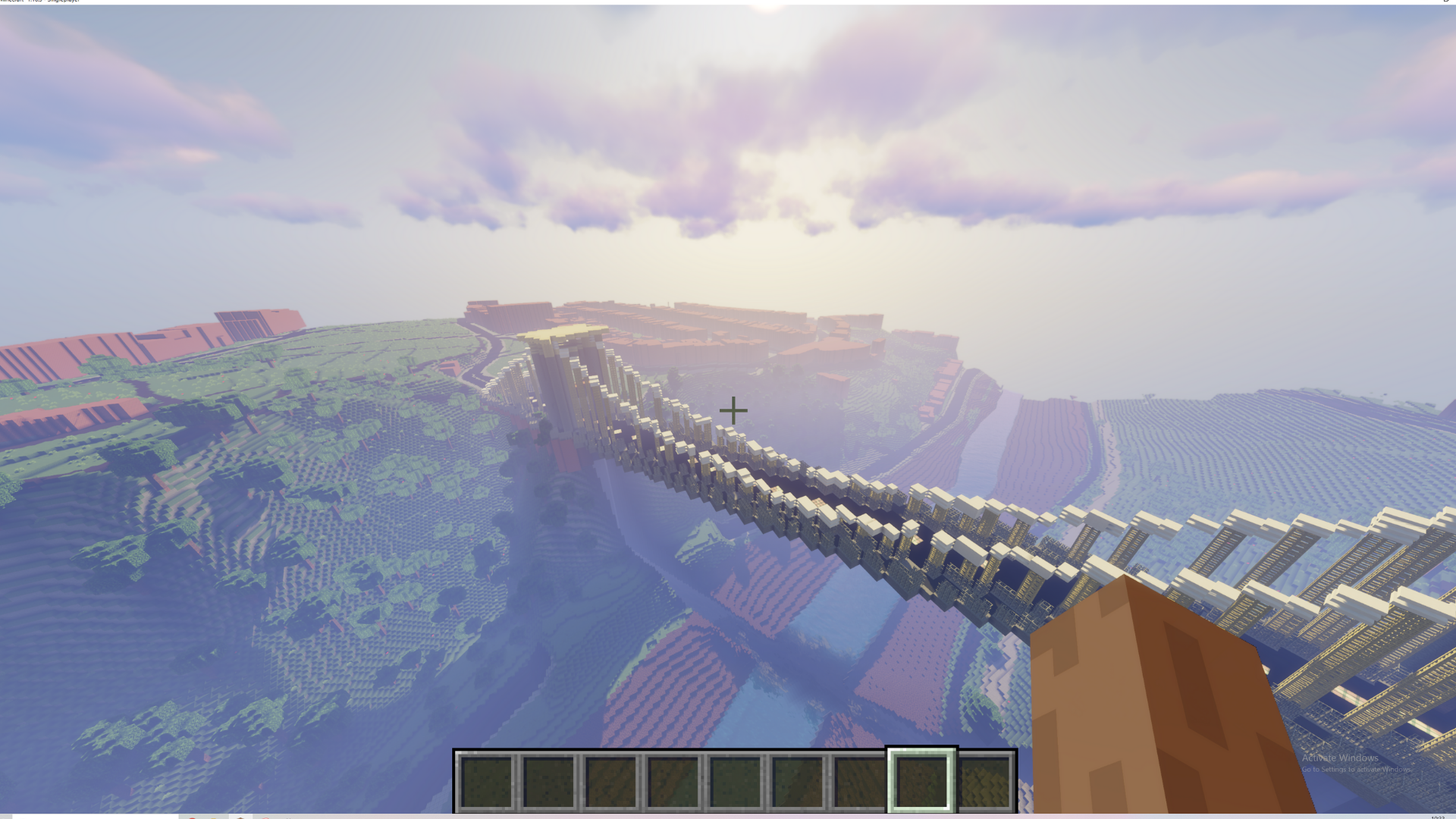
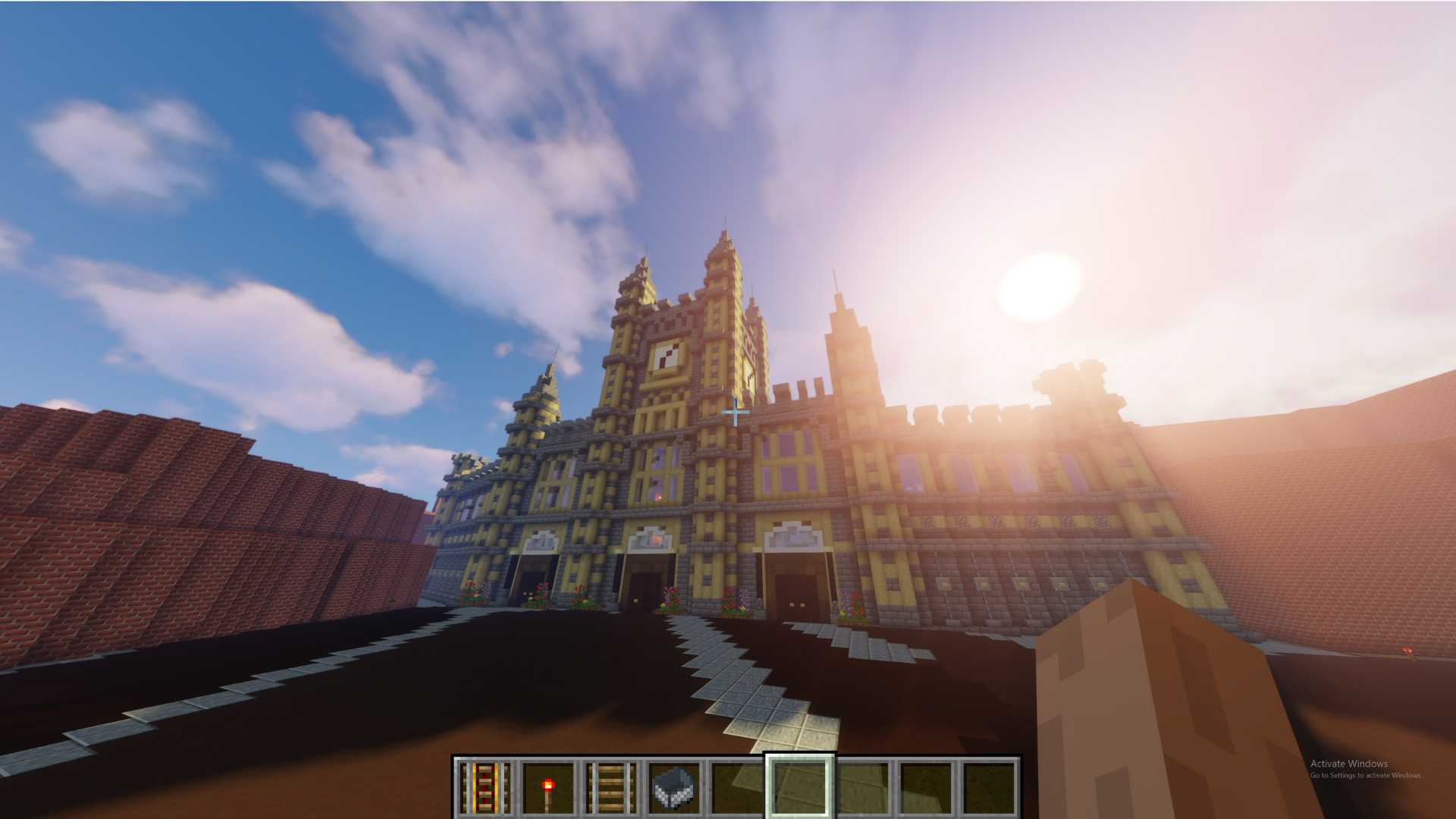
The DETI Skills Inspire team partnered with local design and engineering consultancy Atkins, and Minecraft experts Dr Laura Hobbs and Jonathan Kim, to create a scale recreation of Bristol and Bath within the game, allowing local children to explore, build, re-design and re-engineer their very own cities.
Consultants from Atkins created a programme to convert Ordnance Survey data into a to-scale Minecraft world, allowing a highly detailed Bristol and Bath to be created – the West in Minecraft.
This new world was then populated with famous engineering landmarks such as the Clifton Suspension Bridge, Bristol Temple Meads Station and the SS Great Britain.
DETI Skills Inspire has been using this new Minecraft world at after-school STEM clubs recently established in Lawrence Weston and Easton, Bristol, as part of a STEM in the Community project funded by UWE Bristol and the STEM Ambassador hub West England, in collaboration with local community groups in both areas.
By re-creating these areas of Bristol within the game, children from both Lawrence Weston and Easton are able to explore the parts of their community that are familiar to them, piquing their interest and giving them power to reshape where they live.
Exploring new areas of the city through Minecraft also opens up opportunities for children to visit and talk about some of the city’s famous landmarks, many of which they may never have seen before, strengthening their knowledge and cultural connection with these areas and our city as a whole.
Liz Lister, Manager of the STEM Ambassador Hub West England, said: “Giving young people access to these places and giving them power to reshape them, even if it is just in Minecraft, offers them the opportunity to imagine their world as being different to what it is now. We hope that planting the idea that we can have some control over our own environment will lead some young people to think about the relevance of design and engineering to their lives, and then perhaps on to thinking of themselves as designers and engineers of the future.”
The activity utilises the approach developed by Science Hunters, which is based at UWE Bristol’s Science Communication Unit and Lancaster University, and is affiliated with their Royal Academy of Engineering-funded engineering strand Building to Break Barriers . The game has proven to be a successful educational tool, and evaluations undertaken by Science Hunters indicate that use of Minecraft through their approach both attracts children who might not otherwise have engaged with science learning, and successfully improves scientific knowledge and understanding after participating in sessions.
Dr Laura Fogg-Rogers, Senior Lecturer in STEM Education and Communication at UWE Bristol, said: “So far ‘the West in Minecraft’ has been a huge success amongst the young people attending these STEM clubs. There has been much excitement at finding their own homes within the model city, re-building structures and adding to existing ones. Farms have been built on rooftops as the children have been encouraged to think about how they would re-design their city for a net zero future.”
A set of school resources to explore digital engineering, using this new Minecraft world, are currently being developed by the DETI Inspire team for release next academic year. These 1-2 hour lessons are currently being trialled with local primary schools, linking activities to the curriculum and drawing on several different subject areas to allow for a cross-curricular and rather unique learning experience.
Neurodiversity Week (15-21 March 2021) celebrates our unique strengths and differences, while recognising that the many talents of people with ADHD, autism, dyslexia, dyspraxia and other neurodiverse ways of thinking and learning are often not suited to traditional, formal learning environments. Science Hunters is a Science, Technology, Engineering and Maths (STEM) outreach and research programme that uses Minecraft to engage children from under-represented groups with STEM. Projects have covered a wide range of topics such as the Amazon rainforest, understanding diabetes, earth science and volcanoes and space, with the Building to Break Barriers project currently running at UWE Bristol engaging children with many aspects of engineering.
Minecraft is the second-best selling video game of all time and extremely popular with children. Players place and break blocks with a wide range of appearances and properties, to build a huge range of constructions. It can be played either as a single-player game or in a shared virtual world with multiple users playing together, and was chosen for Science Hunters because of its popularity (children want to play it!), particular appeal to children who learn differently, and suitability for explaining science.
Food inside lunar base.
A key target group for Science Hunters is children with Special Educational Needs (SEN), particularly through a dedicated Minecraft Club that has been running since 2015. It soon became clear that taking part in the club, alongside children with similar needs in an accepting environment, and playing a game which was a shared special interest, had more benefits for participants than STEM learning alone.
When face-to-face sessions are possible, as they were until the onset of the COVID-19 pandemic, Minecraft Club uses a dedicated server, so that children can play together in a safe social online space. Most of the children who attend have ADHD, autism and/or dyslexia. Spaces are limited to no more than 16 at a time, with simple guidelines to keep the club fun; children are not under pressure to conform to ‘neurotypical’ behaviour norms as may be expected in non-specific settings. STEM topics are briefly introduced, and then participants are free to build in Minecraft in relation to that topic; while adults are there to guide and support, children are encouraged to follow their own interests and ideas to create their own unique designs. For four years, data were collected from participating children and their parents/carers, who attended with them, through surveys and interviews.
During this time, 101 children aged 5-17 years attended; responses were gathered from 29 children and 37 caregivers. Results indicated that children both enjoyed and learnt something from attending, and while their feedback understandably often focused on Minecraft, they also indicated that they had benefitted socially and emotionally from being in the shared space with other children with similar interests. This was supported by insights from parents and carers, who described benefits outside the club, such as improved confidence and wellbeing, improved social skills, and reduced need for formal learning support.
Interest in playing Minecraft is what motivates children to attend, and the game provides a range of opportunities for children to potentially develop social and educational skills. This is supported by the process of designing and completing builds, independently or collaboratively, and communicating with others within the shared virtual world. Playing in the same physical space enhances this, as communication can move between the virtual and real worlds and allow in-person peer support and the ‘safe space’ provided in our Minecraft Club supports children with SEN to interact naturally and spontaneously. While it was set up as part of STEM outreach, the social communication impacts of our Minecraft Club – such as making friends, fitting in, and feeling valued without judgement regardless of completing tasks or conforming to expected social behaviours – are at least as important.
Minecraft Club is currently running virtually as part of Building to Break Barriers. We’ve looked at earthquake-proof buildings, protecting against flooding, tunnels, drones and more, and are exploring the effects of the change to meeting online.
When children are asked what an engineer is, and what they look like, it can often be a tricky question. They may jump to the image of an engine mechanic, or a man in overalls with a spanner and a hard-hat. They may also have trouble recognising familiar jobs as coming under the umbrella of engineering.
Engineering is defined as ‘working artfully to bring something about’. More literally, it is the application of science and maths to solve problems. And it’s a career that is more relevant than ever – to achieve net zero and a low carbon global economy, everything we make and use, from aircraft to cars, batteries to wind turbines, will need to be completely re-imagined and re-engineered.
When a child does not personally know an engineer, or does not recognise the role of engineering in solving the problems faced by a society, then this notion of an engineer becomes more removed from their view, and critically, from their career aspirations. In science communication, we encounter children with low science capital throughout our work. So how can the children dream of becoming an engineer, if they don’t know what one is?
You can’t be what you can’t see
It is difficult for children to imagine themselves in that job, when the engineer does not look like them. Encouraging girls and children from minority ethnic groups into engineering careers, and STEM careers more broadly, is a key focus of the DETI Inspire team working out of UWE.
In collaboration with My Future My Choice, as well as many local engineers; the DETI Inspire team at UWE have developed the Engineering Curiosity cards and lesson resources for schools. The aim is to bring the diversity of the West of England’s amazing engineers into the classroom and enthuse and inspire both primary and secondary pupils. Through not only learning about what an engineer is and recognising their role, but also introducing them to real-life local engineers that may come from similar beginnings, so that they can start to think of engineering as something that could be for them!
Engineering Curiosity
Engineering Curiosity is a collection of 52 cards, based upon 52 local engineers in a wide variety of different roles and industries, in a kind of ‘Top Trumps’ meets ‘Happy Families’ style game. The engineers featured have also each produced an engaging TikTok style video, giving a fun snapshot of their role and their route into it. The project has developed lesson plans, curriculum linked worksheets and activities, and school-wide assemblies to accompany the cards and videos, all to aid schools in running sessions that involve the real engineers joining them live in the classroom through video link.
During the recent British Science Week, local schools around the West have been taking part in DETI’s ‘Big Beam In!’, bringing the sessions to life and reaching over 3500 pupils. Some of which may just be the West’s future engineers!
Looking to inspire in your science communication, or want to check out all the engineering roles for yourself? You can find the resources, lesson plans and cards on the Curiosity Connections website.
With just ten years left to change our carbon intensive lifestyles to mitigate climate chaos, urgent decisions need to be made about how we can reach net zero and clean air. Meanwhile, the Covid19 pandemic and the Black Lives Matter movement show that citizen involvement in science communication has never been more critical to ensure a socially just transition.
At this critical moment, the ClairCity project has reached its final dissemination stage; Europe’s largest ever research project on citizen-led decision making for clean air and carbon reductions. Six cities and regions came together to share engagement methods to involve citizens in policymaking, namely, Amsterdam in The Netherlands, the Aveiro Region of Portugal, Bristol in the UK, the Liguria region of Italy, Ljubljana in Slovenia and Sosnowiec in Poland.
As a result of the project team’s efforts, 818,736 citizens were involved in some form or another. Of these, 8,302 were directly engaged through workshops, events, schools’ activities, mobile games and apps, and even videos, a number which far exceeded the expectations of the team.
Why was this significant? Because these 8,302 citizens all influenced clean air and climate change decisions in their local context.
Over four years, the project partners and Council officers made many collaborations with local community organisations and together with a strong social media presence, the project’s on- and offline presence grew. Through a variety of engagement tools, citizens were able to have their say on what mattered to them regarding transport and home heating and what they would like to see change to enable them to make greener choices. There were also candid discussions on the potential barriers to such changes to not only make these concerns known to decision makers, but to have a deeper understanding of the challenges and trade-offs that need to be made when taking policy decisions.
Equipped with this information, ClairCity was then able to consult policy makers about the policies proposed by citizens and discuss how to operationalise them. As a final step, the top citizen policies were modelled against current policy plans for each case study to assess whether citizens’ demands could affect future emissions and associated health impacts. In nearly every context, citizens were more ambitious than ‘business as usual’, with the exception of Amsterdam where the local government was in fact more ambitious than its citizens.
The aim of the evaluation was to see whether the project had fulfilled its aim of ‘raising awareness of environmental challenges and their solutions through proactive dissemination of the project outcomes’. To do this, we explored the demographics of participants and those less directly involved, examined indicators of awareness, attitudes, knowledge and enjoyment (so called Generic Learning Outcomes) and citizen’s intended behavioural changes. Additionally, we explored differences across countries, demographics and engagement tools, to understand perceptions in different contexts. Data collection was carried out through paper/online questionnaires, including pop-up windows in the game and app, as well as in-depth interviews with staff and social media analysis.
All tools exceeded their targets for audience reach, apart from the App which remained at BETA testing due to technical issues. The Delphi workshops were particularly impressive, with 4887 participants compared with 200 expected, and the ClairCity Skylines game, with 2,800 players worldwide compared with 1500 players expected. Both successes can be largely attributed to the on-the-ground outreach and marketing activities of our case study partners, who made connections with community organisations, produced flyers, spoke on the radio, attended events, and generally made lots of noise to attract people. The cities that spent less time and resources on this groundwork had fewer participants as a result.
Social prowess
Our social media platforms gained a lot of traction over the years, although they were again limited by time and resources available. Our Communication Coordinator in Bristol was able to orchestrate our main sites, resulting in (at the time of writing) 1,392 Twitter followers and 416 Facebook followers, and 36,482 website visitors. Sites managed by our partners – who weren’t dedicated science communicators – had considerably less traffic.
Demographics
Data was collected for age, gender and educational attainment. Given the fact that ClairCity had targeted schools’ engagements, with several team members having direct connections to local schools, in addition to a mobile game, over 40% of participants were aged between 13-24. Working adults occupied around 50% of participants, and over 55+ represented less than 10%. This is quite an impressive finding considering most engagement projects fail to capture the full spectrum of ages.
63% of participants in the study identified as male. The biggest gender differential came from the game, with more than twice as many male players than female, which skewed the gender balance. Alongside this, many stakeholder workshop participants were senior men in regional organisations, which again skewed the gender balance.
Participants were asked about their education level in our workshops. 81% of respondents held a Bachelor’s degree or above. On the other hand, in the game, 79% ranked their level of knowledge on air quality as being low/none. In other words meaning, the game appealed to people with less expertise.
Learning outcomes
Both policy makers and teachers were asked about the usefulness of the tool relevant to them. An overwhelming percentage of policy makers found the policy workshop useful/very useful (95%), compared with a more modest percentage of teachers finding for the schools’ competition (61%). The schools’ activities have since been expanded following this feedback, and our Educator Pack (part one and two) is freely available online, and has been featured in the British Science Association Science Week pack, and through Sustainable Learning.
The majority of participants enjoyed or loved the activities in which they were involved. Both the Delphi and Stakeholder workshops greatly improved participants’ understanding of air quality (88% and 82% more understanding, respectively). 39% of game players left with more understanding, however for 45% their understanding stayed the same. The app mainly left people with the same understanding (47%), or feeling confused (18%).
Perhaps one of the biggest findings was in regards to behaviour change. At least half of all participants in the Delphi workshops, game, schools’ activities and stakeholder intended to change their behaviours as a result of their involvement (58%, 80%, 67% and 79%, respectively).
Upon cross-comparison, it was found that the more participants enjoyed the activity, the more they reported that their understanding of air quality had improved. Similarly, the more participants reported that their understanding had improved, the more they reported that they would change their behaviour. Younger people and those with lower education to start with were more likely to say they would change their behaviour. All of these relationships were highly statistically significant.
Ultimately, the more enjoyable the engagement activities, the more people gain understanding about the issues, and the more likely people are to make a change to their behaviour to reduce air pollution and carbon emissi0ns, and improve the health of our cities.
Reflections on the evaluation process
In future we would recommend other projects take additional time to target women’s groups, or develop ‘tools’ that appeal to women
While efforts were made to reach representivity through undertaking the Delphi process in low socio-economic status neighbourhoods, in hindsight we would have worked harder to amplify under represented voices. Recent Black Lives Matter protests have been a stark reminder of the need to make our work inclusive..
Working on an international project presented issues with translating the website and evaluation forms. More dedicated evaluation time, or expert science communicators in each country, would have helped researchers who were less experienced in social science research methods.
We benefitted from having evaluation embedded from the beginning (rather than an add-on), and as such designed our evaluation methods to work in different contexts and cultures
Most ClairCity staff found engaging with citizens challenging (due to not having experience in this) but highly rewarding. By the end of the project the vast majority stated they have enjoyed engaging with citizens. This was a rich experience in terms of new skills, with our staff reporting to have learned how to pitch their ideas, how to talk to citizens and how important is to listen to people as well.
If you are interested in our experiences, or in benefitting from our reports, please check out our website for a variety of resources and tools to aid future citizen-led decision making on climate change and air pollution.
A team of Science Communication Unit researchers was selected by the Royal Institution (Ri) to explore ways to continue modernising the Christmas Lectures, an iconic series that has run since 1825. Margarida Sardo, Hannah Little and Laura Fogg Rogers conducted research to explore strengths and opportunities for improving the series, created for children and televised annually for the past 50 years fronted by presenters including David Attenborough and Carl Sagan.
A centrepiece of the
national conversation about the place of science in our lives, the lectures
were started by scientist Michael Faraday in 1825 and are now designed to be
engaging and mind-expanding viewing for people of all ages but particularly
children. A series of three on a single topic, the lectures are filmed in
London in mid-December every year then broadcast on three consecutive days
during the Christmas period. In 2018, biological anthropologist, author and TV
presenter Alice Roberts and genetics expert Aoife McLysaght brought the
evolutionary story to life in a series called ‘Who Am I?’
Aoife McLysaght and Alice Roberts. Photo credit: Paul Wilkinson Photography
Following interviews
with children attending the 2017 and 2018 events, a social media analysis of
the 2018 broadcasts and survey of science enthusiasts, researchers found the
lectures were cherished by audiences of all ages but format changes could help
broaden their appeal among young people, as well as older audiences. They
recommended exploring ways that the channel and time of the broadcasts
(currently BBC4 at 8pm) could be made more suitable for a younger audience,
including cutting the lectures down into short clips for social media to
reflect changing viewing habits.
Photo credit: Paul Wilkinson Photography
The research team noted
that some adult viewers believed the lectures were so focused on a younger
audience that they lacked appeal for older viewers. To continue to attract a
significant adult audience, they recommended creating a companion lecture aimed
at older science fans.
Photo credit: Paul Wilkinson Photography
Researchers also found
audience members enjoyed the live shows, particularly the engaging, interactive
and high-quality demonstrations. TV viewers valued the televised shows and many
remarked that watching with relatives had become a family tradition. But some
science enthusiasts suggested the Ri needed to re-evaluate its target audience
and questioned whether the needs of a live lecture and a TV programme were
being confused. Viewers were roundly supportive of female scientists presenting
the show, with particular praise reserved for the performance of Alice Roberts
and Aoife McLysaght in 2018.
The Christmas Lectures branding includes the prestigious Christmas
Lectures broadcast on BBC, as well as live shows, a Schools Conference, the Ri
Advent Calendar and “I’m a Scientist… get me out of here” – most of which were
covered by the evaluation.
On 21st June UWE Bristol welcomed over 100 science-communication practitioners from the South West, the culmination of over five months of planning, organising and orchestrating, with a small team of five women at the helm. All throughout, attention was given to making the event inclusive. These are some of our learnings…
Definition of inclusion: the practice or policy of including people who might otherwise be excluded or marginalised, such as those who have physical or mental health conditions and members of minority groups.
Start early
We made time at the beginning to think through what might
exclude people from our conference, and make adjustments to include them. We
pooled our knowledge from events we’d attended, and looked at what others had
been saying on blogs,
online guides (here
and here)
and social
media.
Location,
accessibility, location
We chose the Business School for its facilities and
location; it is fully equipped with gender neutral toilets, seating areas with
high backs for privacy/quiet and, thanks to a recent student campaign, free
sanitary products in toilets. Outdoors, there is ample disabled parking and
inside there are wheelchair-accessible lifts. It’s the little things that
really make a difference when aiming to be inclusive; for most people, it is
relatively easy to get to by public transport.
Conference venue, UWE Bristol’s X Block_Credit Tom Sparey
Think about the room
layout
Round tables, lots of
natural light, and a relatively easy-to-use AV system, as standard in most of
the rooms, made for a pleasant and relaxed setting for both the speakers and
delegates. In more interactive sessions, ‘think-pair-share’ was
used to allow everyone to participate in discussions. In future events we’d additionally
invite questions during discussions from groups that may not have had the floor
(e.g. young female, or BME).
We designated one room as a quiet zone, in case people
needed time out from social interaction. It ended up being used as a rehearsal
space, but such a room has been successful at other events.
Reach out
Are there other perspectives we’re not including? Keep reflecting on this. It was identified early on that our suggested panel didn’t have a community representative, so we made contact with someone known locally for their grassroots activism. We did a similar exercise for the presenters once our call for proposals was announced – it’s okay to invite in people from marginalised groups; they’re often interested in getting involved and are a valuable source of information .
Seek help
We had someone to coordinate the whole event, someone to
manage the registrations and social media, someone to recruit and manage
volunteers and managers to invite panellists and compere the day. Divide up
tasks and seek volunteer help (e.g. from students) to lighten the load and
allow you to support more people on the day. Several volunteers wore
identifiable shirts so people knew they could approach them if they were lost
or had any questions.
Consider cost
One barrier to participation is financial constraint, so we
offered bursary places.. Offering to pay for transport or to cover the cost of
childcare was another option.
We made sure our ticket price was kept low, at £25 for
concessions and £50 full-price, with early-bird options also. Many commented on
how fair our costing was and that it enabled them to attend.
Check your language
You’d be surprised how easily jargon or images can put off
your target audience. If the public’s only picture of the event is of white men
in a room, then that is what they’ll expect and might feel “I don’t belong here”.
Similarly, if the event includes or is for “experts” then the rest of us feel
like “non-experts”, which can be interpreted as “lacking in sufficient
knowledge”. We were careful to avoid these traps… and it is such a common
problem that one of our sessions at the conference was all about the use of
such language in public engagement.
To indicate that we would not tolerate harassment at the
conference, we included a Code of Conduct in our programme. Several people
commented that they really appreciated this extra effort!
Let people identify
themselves
We’ve been to several
events before where people get to design their own name badges, so we followed
suit. It breaks the ice, is low cost and is fun! But on a deeper level,
people’s identity is important to them. Let them define it!
Stay refreshed and
come up for air
Breaks facilitate networking and problem-solving, and allow
people time to digest what they have heard – so have lots of them! We had three
refreshment breaks, if you include lunch, with additional coffee and teas at
registration and an optional alcoholic and soft drinks reception at the end.
Food was vegan as standard, with gluten free options available – this was a
health and environmental choice. We worked with our caterers to offer oat milk,
as it is more sustainable and popular than their usual soy/almond alternative,
and to reduce single-use plastics. We knew our audience would appreciate this
and we asked them in the registration survey what they required..
Credit_Tom Sparey
During lunch, the site’s Grounds Manager led a nature walk so
people could stretch their legs and unwind from what can often be an
overwhelming morning of knowledge harvesting. We tied in what we were
discussing inside with the outdoor stroll by highlighting what UWE is doing to
improve biodiversity in the city and engage students to become ecosystem
stewards. Many people commented that the walk was their highlight!
Remember this is an
ongoing journey
Capture photos, videos, blogs, demographic data and people’s
thoughts and feelings about how the conference went to make things better next
time. But do remember to ask people’s permission first!
The adage ‘you can’t please everyone’ is worth remembering
when designing events and conferences because, let’s face it, we all have
different needs and preferences. However, we can strive to make events as inclusive
as possible within our given constraints, so there is no excuse for not trying!
Practitioner
checklist
Here are just a few questions you could ask yourself in the
planning of your next event. Add to and refine the list after each event you
hold.
Who
Does your team reflect the diversity you want to
see at the conference?
Does the panel represent the diversity you want
to see?
Have you reached out to under-served communities
and asked them why they may not attend? (e.g. could hiring a translator or
interpreter take away language barriers?)
Is your language in plain English, without
jargon or exclusionary terms? Not sure? Ask your intended audience.
Have you offered bursary places?
Is your cost affordable to as many people as
possible?
Have you asked about access and dietary
requirements and permissions (e.g. for photos, recordings, etc.) upon
registration?
Where
Is the venue easily accessible by public
transport?
Does it have the technology you require? (e.g.
hearing loop, wifi)
Is there space to move around, walk around the
building safely and places to rest?
Is the venue breastfeeding friendly?
Are there disabled and non-binary toilets
available? Do the toilets have freely available sanitary products?
Have you advertised to multiple groups through
mediums that suit them (e.g. flyers in local community centres; speaking at a
local event; sharing event through mailing lists and newsletters)?
When
Are you sure the event does not clash with a
religious festival, national holiday or other important event?
If the event is held in the evening will people
need support with childcare?
What
Do you have a code of conduct?
Will there be food and beverages that can cater
to most needs? (Suggest ‘bring a dish’ or ‘bring your own’ if needed).
Is there a mixture of styles of sessions and
content to attract a wide audience?
How
If you have worked your way through this extensive but not
exhaustive list, the how should fall into place. Keep things fun and light and
be open to feedback.
What language can we use to create inclusive environments in
science communication? How might letting go of expert knowledge benefit underserved
audiences? Delegates attending the Sci Comm South West 2019 conference at UWE
Bristol were asked to crowdsource solutions to these issues at the ‘Letting go
of what is not serving us’ session. Both questions generated animated group
discussions resulting in several potential solutions.
What is in a word?
Kate Baker and Silvia Bortoli, University of Exeter
Science communicators have learned the hard way that
labelling groups of people is difficult and, more often than not, inaccurate. Language
can be very powerful in setting the scene and defining the foundations of
relationships, particularly when carrying out research.
During this first part of the session, participants were
asked to consider the word ‘non-academic’.
A seemingly innocuous word which is actually quite value-laden. It hides the
expertise that exists outside universities and research centres and highlights
what people ‘are not’ rather than the skills and knowledge that they may have.
It has the potential to alienate.
Credit Tom Sparey
So what advice did our science communicators have?
There was an overall recognition that the term ‘academic’ is
problematic, with a suggestion that should be replaced with ‘researcher’ as
this is more active and more accurately describes what they do. Some suggested
alternatives for ‘non-academic’ were:
Community – this could represent a large or
small group of people, including those online
Contributor – this is a more active term,
showing that they are not passive recipients
Collaborator – although this is seen as being
neutral and actively involved it may suggest a level of participation which is
unrepresentative
Stakeholder – this is seen as active, but may be
more suitable for a community group or charity
Partner – this may be more suitable for an
organisation rather than an individual.
It was generally agreed that it is important not to call a
group by what they cannot do or what they are not, but rather identify what
they can do or what they are. The overall advice suggested asking the group
what they would like to be called as early on in the process as possible and
sticking with it.
Credit Tom Sparey
Expertise. Erik
Stengler, SUNY Oneonta, New York
As science communicators we are acutely aware of the
importance of knowing your audience. When developing public engagement or
outreach programmes, science communicators may be asked to liaise between
scientists and organisations who work closely with the audience. These
organisations can include charities, schools and community groups. In these
cases it is important to recognise that specialist organisations know their
audiences extremely well and are often best placed to tailor a public
engagement activity. Scientists and researchers are often reluctant to allow
individuals and organisations, with little or no prior knowledge of the science,
to plan or deliver the public engagement activity.
Credit Tom Sparey
In light of this issue the second part of the session asked:
How can we help scientists let go of
their science and allow experts in the audience to run an outreach or public
engagement activity?
So what are the top tips from Sci Comm South West delegates?
Identify any concerns the scientists may have early
on in the project
Clearly define the role of the scientists in the
project
Make sure priorities are understood between the scientist
and audience expert groups
Co-develop the project, with the experts in
science planning with the experts in audience
Make sure everyone understands why they are
collaborating and where the various expertise lies
Provide training to enable transition to take
place smoothly between the experts in science and the experts in audience
Develop longer term relationships between the
scientist and audience experts.
Alongside these recommendations, all delegate groups
recognised the importance of trust between scientists and audience experts, and
that the best way to achieve this was though collaboration and building
relationships.