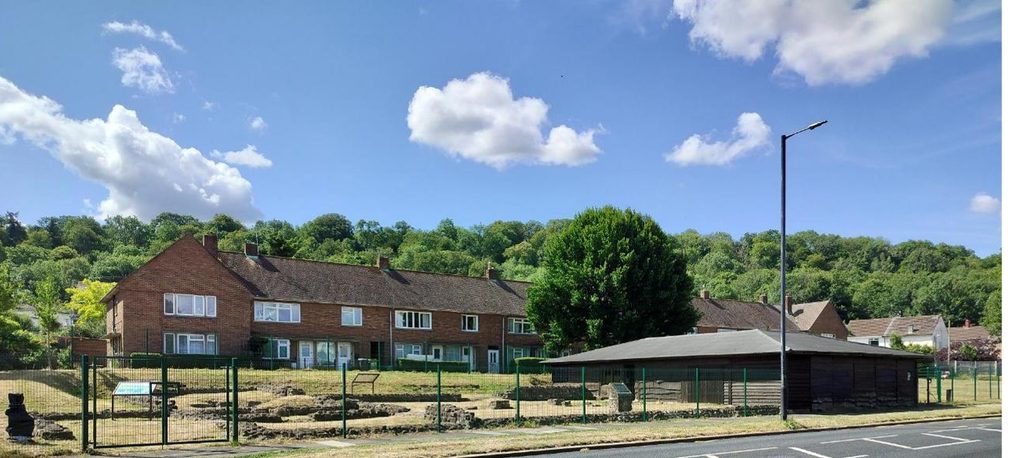
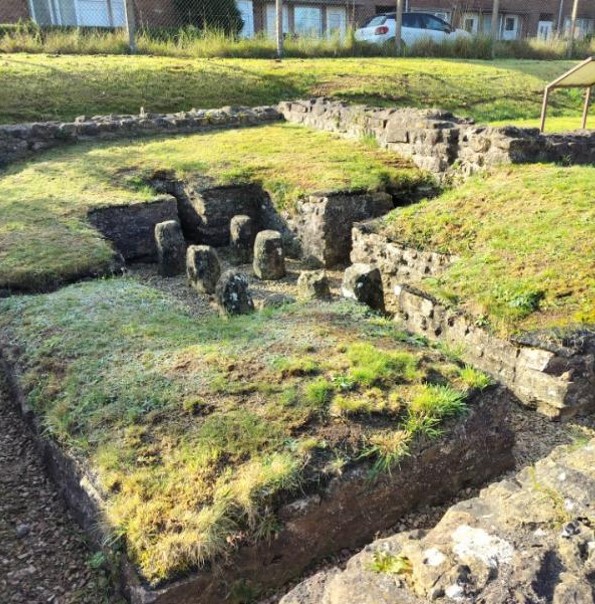
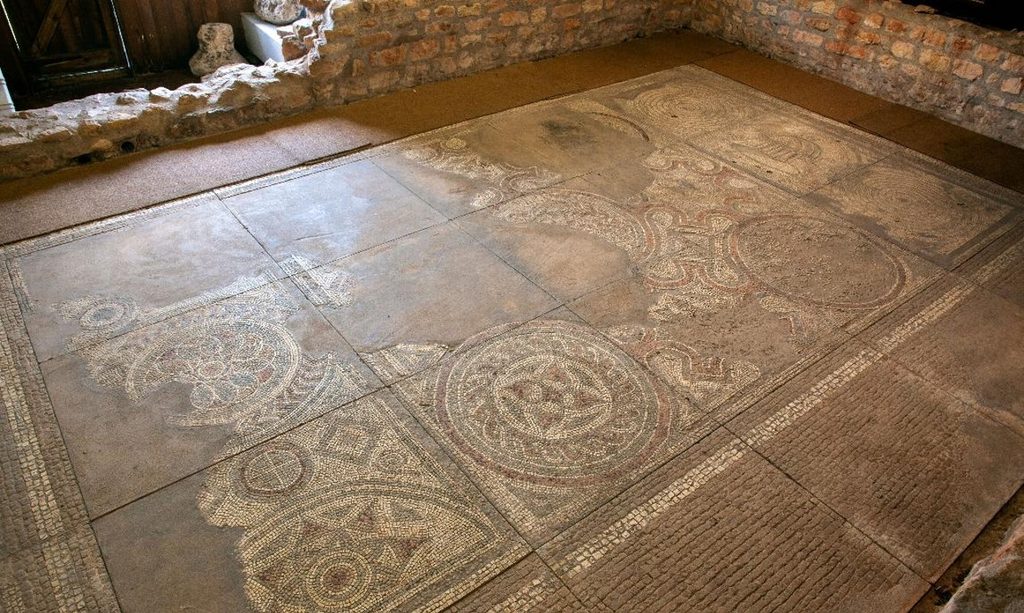
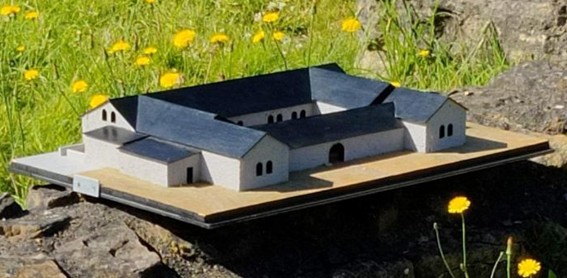
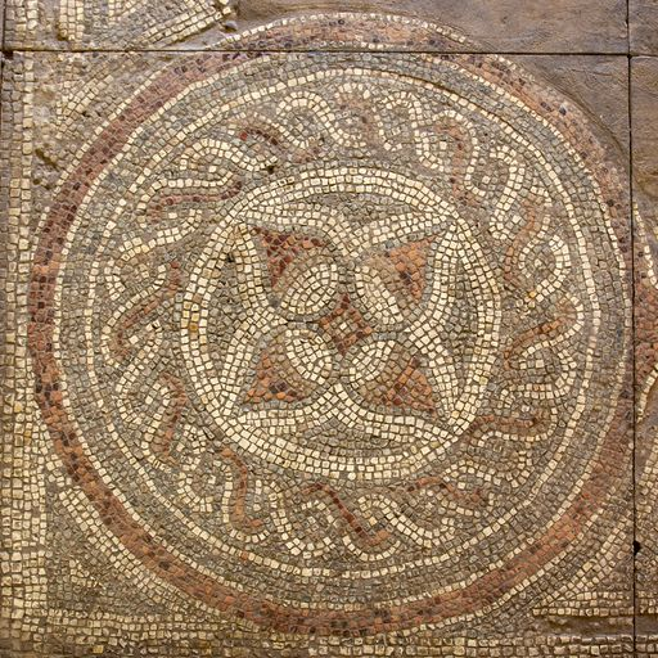
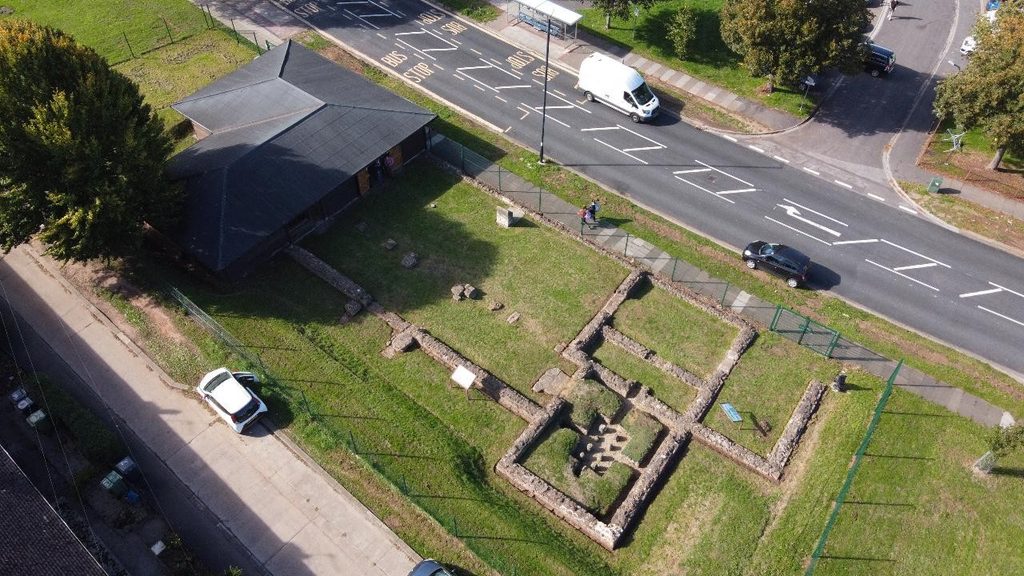
Discovered in 1947 during the construction of the Long Cross road and the housing estate now built around it, 1700-yer-old Kings Weston Roman Villa in Lawrence Weston is the only place to see a Roman bath suite in Bristol, and one of the only places in Britain with an in-situ Roman mosaic floor. The villa site has been on display ever since its excavation between 1948 and 1950 – the remains of a Roman central heating system are visible from the roadside and visitors can also explore the remains of the villa walls. Situated at the centre of a farming estate, the villa eventually collapsed and was buried under topsoil, but is now Bristol’s only surviving Roman villa.
Kings Weston roman villa site, Lawrence WestonUnderground heating systemMosaic floorModel of Kings Weston villaMosaic floor
Photo credit: Bristol Museums
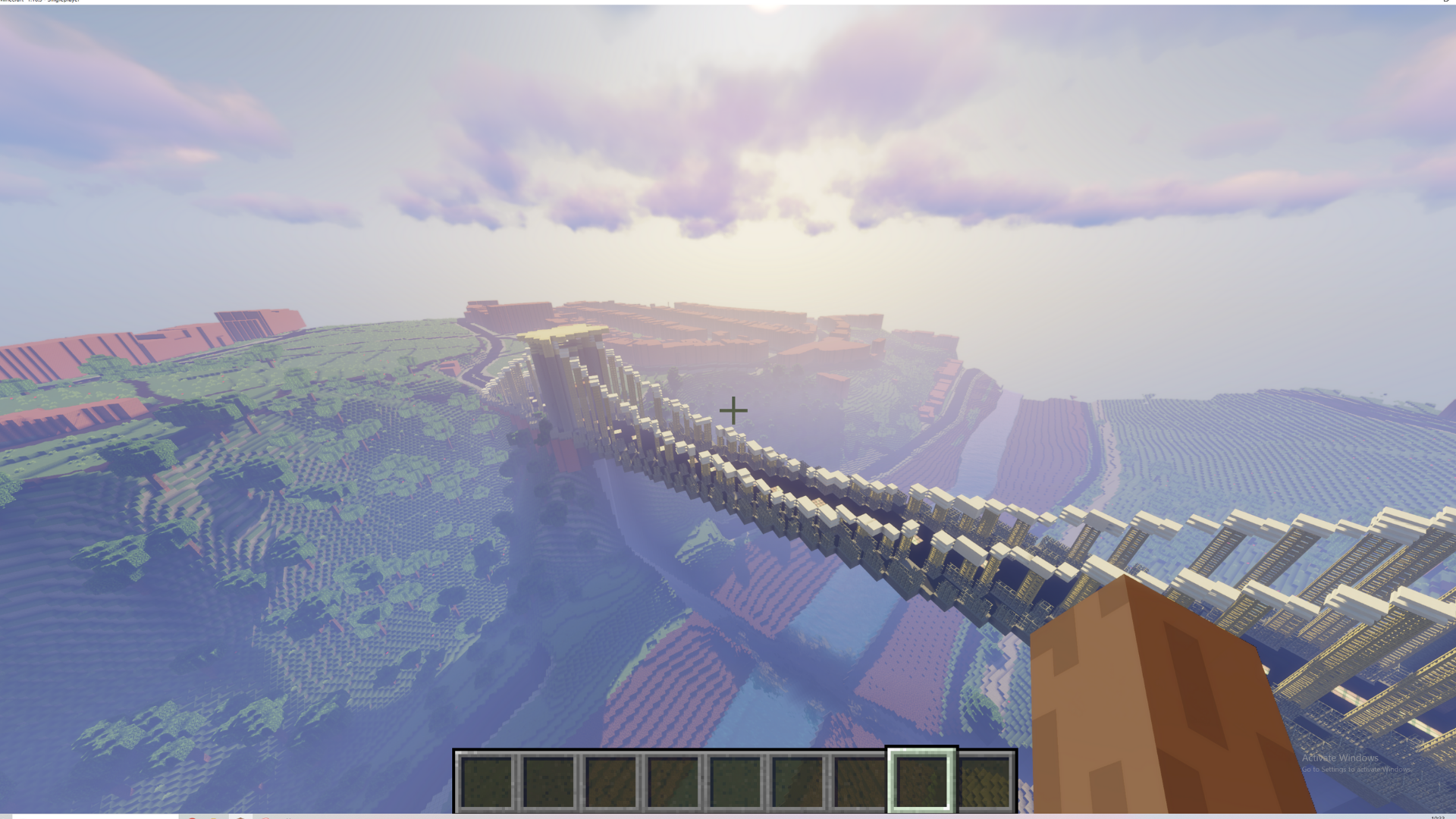
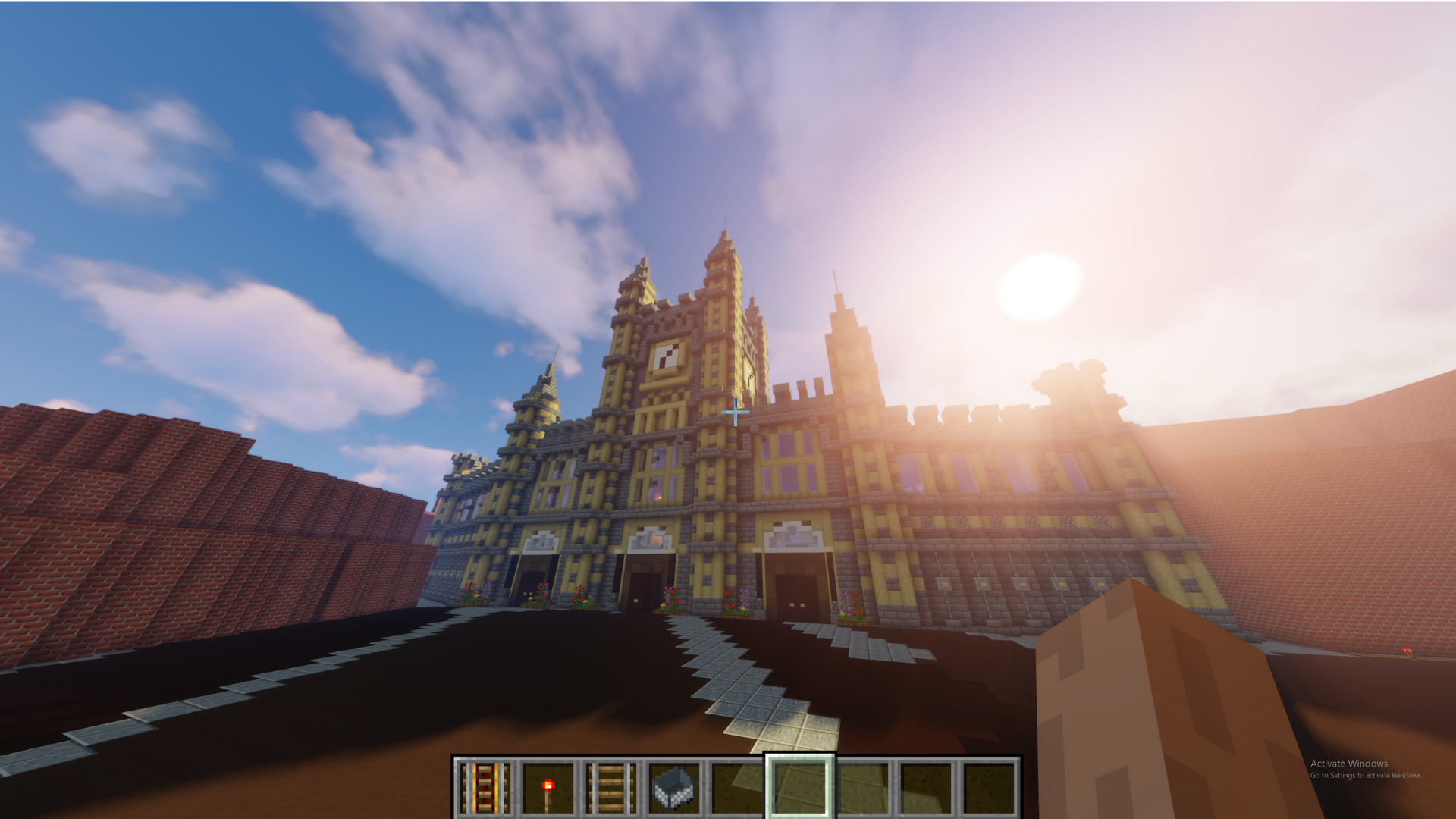
A new collaboration between Bristol Museums and UWE is led by the Science Communication Unit’s Dr Laura Hobbs and Kate Iles, Senior Curator for Archaeology for Bristol Museums. It uses the well-established Science Hunters approach to engage children with Kings Weston Roman Villa using Minecraft. A co-designed Minecraft building challenge related to the real-world site, contextualised through a learner-centred approach and supported with practical anchors such as object handling, will support children to explore themes, build upon their existing knowledge, and develop their understanding of archaeological science and local heritage.
Aerial view of Kings Weston roman villa. Photo credit: Bristol University.
The project is off to an exciting start. During the summer, the UWE team visited the site, worked with the museum team to gather information and are now working on an example build of the villa in Minecraft. The project will then provide opportunities for local schools and community groups in the areas surrounding the villa. UWE researchers and the museum team will run trial sessions in schools and community settings and use the game to explore how the villa may have looked. Participants will be able to build a version of the Roman villa for themselves, engage with real and replica Roman objects and find out more about the Roman villa on their doorstep. The project will be evaluated via mixed-methods analysis to explore science communication through play-based engagement linked to the site, its heritage and its artefacts.
For further information or to get involved, please email sciencehunters@uwe.ac.uk.
Supported by Bristol City Council, Bristol Museum Development Trust and UWE Bristol.
By Dr Laura Hobbs, Science Communication Unit, UWE Bristol and Kate Iles, Bristol Museums.
In May 2025 ten members of the Science Communication Unit (SCU) headed to Aberdeen, Scotland for the bi-annual Public Communication of Science and Technology Conference (PCST). PCST is an organisation that promotes discussion on the theory and practice of communicating science, and of public discourses about science and technology and their role in society. Every two years it hosts a conference gathering well over 600 science communication researchers, practitioners, and students from around the globe. Members of the team provided input to over 15 different conference sessions, poster presentations and pre-conference workshops. In this blog post I’ve aimed to capture a small flavour of the work that we presented, as well as share some of our reflections on the conference.
Dr Sarah Behenna stands with her first conference poster
Let’s start with Dr Sarah Behenna. Sarah shared work from the Science Hunters project, conducted with Dr Laura Hobbs, which was supported by a Royal Academy of Engineering Ingenious Award to encourage children from under-represented backgrounds to discover the many facets of engineering involved in sustainable development, and provide them with opportunities to apply their newfound knowledge by creating their own model sustainable solutions and communities in Minecraft. For Sarah, PCST was an opportunity not only to present her first conference poster, but to learn more about the history of science communication as a field and to understand how challenges can be shared across countries, and how we can learn both from the past and each other. You can read more about Sarah and Laura’s work in this recent blog.
The Inspire Sustainability team showcased research from their public engagement work at PCST 2025. Two posters were presented from the team, featuring work from Dr Louisa Cockbill, Sophie Laggan and Dr Laura Fogg Rogers about their Inspire Green Futures project, and also on the MAKERS project by Dr Laura Fogg Rogers, Kat Corbett, and Dr Joe Butchers. PCST showcased similar themes to these projects, including around citizen engagement for sustainability, with keynotes discussing how science communicators can empower action in partnerships with universities. This was timely with the publication of a new article from Laura’s team, which explores science communication’s role as a knowledge broker between scientists, policymakers, and citizens to co-develop public decisions for sustainability. Evaluation is a strong component of this work and Karen Collins, who has recently started a PhD in the SCU was also in attendance at the conference. With a focus on exploring science communication evaluation in her work, Karen was able to join a number of relevant sessions and further develop her networks.
A conference keynote photo from Guidiana Landivar Paz
Dr David Judge’s presentation asked how a science centre became the heart of one of the largest urban regeneration projects in Europe. David has traced the development of one Millennium Project, Bristol 2000, which regenerated an area of long-derelict docklands in the heart of Bristol, UK, and included the science centre later known as At-Bristol (now We The Curious). David shared how this aimed to create a new city centre which brought together science, nature and the arts. As well as considering historical developments, my inputs to PCST aimed to provoke some ethical reflection in a workshop exploring tensions and transitions in ethics surrounding science communication and public engagement.. This drew on work undertaken and recently published as part of the INSIGHT project, kindly funded by the Leverhulme Trust. I also contributed to a session exploring citizen science, sharing thoughts from a recent project focused on citizen science in the context of death and dying, which was featured in an open access collection published by the journal Frontiers in Environmental Science.
Dr Andy Ridgway featured throughout the conference programme. Andy contributed to a pre-conference workshop organised by the PCST Teaching Forum. The Teaching Forum is an international network of science communication lecturers who teach students at undergraduate, graduate and PhD level and the workshop considered use of AI in teaching contexts. During the conference Andy also facilitated a session drawing together work occurring on the European Competence Centre for Science Communication/COALESCE project for which the SCU is the UK Hub. This session posed the question ‘will we ever overcome the misinformation crisis in science communication?’ and explored national differences in problems generated by misinformation, as well as differences in approaches to tackling it. Andy said “for me the big take-away from PCST is the sense of connection it gives with the community and the positivity there is in any interactions. We’re lucky that in the SCU there are many of us who teach and research science communication. But many of those working in the field are working on their own in a similar role in their own institution. But even with the connections we have within the SCU, PCST really does help us feel part of a bigger community – and it’s always refreshing to not have to try to explain what you do when you start a conversation!”. The European Competence Centre for Science Communication featured in many events across the programme, and Dr Achintya Rao also joined the event, supporting communications and other activities associated to this project over the conference period.
Both Andy and Professor Emma Weitkamp also shared findings from research conducted in India and the UK, funded by the British Council, investigating science journalists’ working practices. These presentations examined data gathered from approximately 120 science journalists, including professionals from Brazil, Russia, India and China (BRIC) and Non BRIC countries exploring how science journalism is changing and evolving with emerging technologies like AI, and considering training and ethical recommendations for the future. For Emma, PCST offered an opportunity to catch up with old friends, as well as meeting new colleagues and she shared that “the opportunity to discuss research with people from around the globe, helps shape ideas, new research and funding applications that will emerge from the connections made and strengthened”.
On the theme of science journalism, Ria Griffith had a poster included in the conference on her PhD research, which is investigating the perceived disconnect between academic research and practice in science journalism, contributing to discourses of professionalisation of the field. Henry Bennie also participated in his first PCST conference, allowing him to connect with researchers and projects that relate to his ESRC funded PhD research examining media representations of Quantum Computing. Henry said, “the session that keeps rumbling around my head is the parallel session, ‘Tensions in communicating discovery science – changes over time’. So much of science communication is focused on relevance to audiences and society so naturally applied science is heavily communicated, and it is the focus of much (if not all) of science communication research. This discussion has helped broaden my thinking about how we can talk about emerging technologies that often have unclear applications and delivery timeframes, and how research can help identify new modes to communicate discovery science”.
Dr Amanda Webber presented research undertaken at UWE Bristol with our MSc students. Amanda’s talk, ‘”Lecturers chose such weird papers”: supporting scicomm students’ learning transitions’, shared findings from a recent article we co-authored that demonstrated students develop critical awareness of science communication models and the need to recognise and engage with multiple publics through our teaching. Amanda also shared how our MSc empowers students by supporting the development of their own identity as a science communicator. For Amanda the highlight of PCST was also “the people” and having a chance to meet and engage with others working in and/or researching science communication. Amanda said, “PCST also reminded me what a privilege it is to be part of the UWE Science Communication Unit – the unit is very well known internationally and part of so many networks and projects, it is great to be part of that.”
Ana Vasconcelos, Dr Amanda Webber, Guidiana Landivar Paz, Beatriz Vieite, Dr David Judge and Henry Bennie at PCST 2025
On that note, we were delighted to be joined at PCST this year by three PhD students who have stayed at the SCU for sabbaticals in 2024/25. Beatriz Vieite (Universidade de Aveiro) presented her study on mapping Portuguese biological collections, where she is aiming to characterise collections in terms of science communication, the strategies that are currently being used by their staff (curators and coordinators) and the difficulties they face in these contexts. Ana Vasconcelos (Universidade D Coimbra) shared her PhD project, which is seeking to explore how to design information to promote effective communication, health literacy, and patient understanding of Autoimmune Encephalitis (AE), a relatively rare but treatable group of immune brain disorders.
Ana shared that what stood out to her during this PCST was how the field of science communication is becoming increasingly aware, not only of the importance of co-creation and participation, but also of the value of being more open to other knowledge systems. “There was a strong emphasis on creating opportunities for mutual learning between academic knowledge and lived, embodied knowledge, highlighting that this is what true participation should be. I think this message came through particularly strongly in the keynote sessions, and I found it particularly valuable for my PhD research”, said Ana. Guidiana Landívar Paz (Universidad Complutense de Madrid) used PCST as an opportunity to reconnect with colleagues she’d previously met in Rotterdam at PCST 2023, and sessions on policy and science communication, science journalism in the Global South, generative AI, as well as the closing keynote, proved particularly valuable to Guidiana’s research on science communication before and after the COVID-19 Crisis in Spain and Bolivia.
The University of Aberdeen captured by Dr Achintya Rao
I was delighted to not only see so many members of the team representing their work at PCST (also acknowledging our colleagues contributions that were not able to make it to the event), but to reunite with many of the graduates we have taught and former members of the SCU, who are now advancing their careers in a wide variety of different locations and organisations. Amongst the hard work, the team also fitted in some wildlife spotting, local history, ceilidh dancing and an infamous karaoke night! Thank you to the PCST conference organising team for hosting us in Aberdeen, next stop Shanghai in 2027.
In 2020, the long-running Science Hunters programme launched Building to Break Barriers, an engagement project to support children from under-represented groups to explore engineering through Minecraft.
Science Hunters has a well-established history of communicating environmental sciences through the popular computer game, and this was its first large project focusing specifically on engineering aspects, supported by a Royal Academy of Engineering Ingenious Award. Despite facing significant challenges due to the COVID-19 pandemic, which affected environmental engagement projects across the UK, the project rapidly adapted, moved the majority of delivery to online activities and met or exceeded all targets by January 2022.
In September 2020, Science Hunters partnered with the DETI Inspire Programme to design a new session – the West in Minecraft – through the Building to Break Barriers project. Minecraft Clubs for children with Special Educational Needs in collaboration with Lancaster University, and another for Looked After Children were supported to continue during the pandemic. Schools were engaged virtually and children were able to participate in a Summer Challenge. Additional funding via a Biochemical Society Diversity in Science grant saw the project further extended into 2022, to deliver an event for children Special Educational Needs in collaboration with Loughborough University.
Legacy resources resulting from the project include two practitioner guides, on engaging children with STEM using Minecraft and available editions of Minecraft, and 15 topic-based resources, one of which was developed in collaboration with the Institution of Mechanical Engineers. Engineers participating in the project contributed to selection of topics and design of content, as well as delivery of sessions and analysis at the end of the project indicated that topics naturally aligned with the United Nations Sustainable Development Goals. Results were presented at the International Conference for Sustainable Ecological Engineering Design for Society, winning a Chair’s Award.
Example of a solar crop dryer designed in Minecraft. The Building to Break Barriers Solar Crop Dryer session was developed with UWE engineer Ceri Morris (image: Daisy Bristow, UWE graduate engineer).
Expanding on these outcomes, Science Hunters: Engineering for Sustainable Societies launched in 2023 with further support from the Royal Academy of Engineering’s Ingenious Award scheme. In this project, the focus was explicitly on exploring the Sustainable Development Goals, again supporting children from under-represented groups and using Minecraft. Sessions were delivered in schools and communities, including setting up several new Minecraft Clubs in disadvantaged areas of Bristol, and at science festivals. Views of teachers on incorporating the Sustainable Development Goals into engineering and environmental engagement activities using Minecraft were gathered and analysed to support the project’s delivery (results can be found in Education Sciences) and we are currently exploring the perspectives of community group leaders.
The project produced a further 12 topic resources, and a supporting resource pack and resource guide produced as outcomes of the project. The topic resources can be used as standalone activities, or together as outlined in the resource pack and guide, to support children to design and develop their own sustainable future communities.
So far, these Science Hunters engineering projects have produced more than 30 resources, freely available on their SCU webpages. Feedback from both projects has been overwhelmingly positive. Engineers have gained training and experience, while children reported that they enjoyed the sessions, learnt about engineering and engineers and wanted to learn more about engineering. Minecraft Clubs reached multiple groups of children, with feedback reflecting how valuable this was to them and their parents/carers. Teachers responded enthusiastically to the projects, citing the efficacy of Minecraft in engaging children, the benefits of seeing women in STEM roles and accessibility for children with Special Educational Needs. In Engineering for Sustainable Societies in particular, they highlighted the need to engage them with the Sustainable Development Goals and positive impacts, both now and in their futures, on their understanding of engineers and engineering and the role they play in society.
Science Hunters has been engaging children with the computer game Minecraft since 2014. Originally initiated at Lancaster University, the programme is now run in collaboration between Lancaster University and UWE Bristol. Its engineering strand, Building to Break Barriers aims to engage children from under-represented groups with engineering, using the game.
Minecraft is an extremely popular computer game, and has various features that make it ideal for communicating about Science, Technology, Engineering and Maths (STEM).
Over the course of delivery, the Science Hunters team have gained various insights into the practicalities of using Minecraft to engage children with STEM in schools, at Minecraft Clubs for specific groups and at small and large public events. As part of Building to Break Barriers, two guides, drawing on their extensive experience, have been produced for practitioners thinking of using Minecraft for STEM outreach and engagement:
The guides lay out why Science Hunters uses Minecraft to engage children with STEM including:
Its popularity makes it familiar and appealing to children
It can interest them in topics that they might not otherwise engage with, because they’re interested in the game
It is also relatively easy to use, and generally quickly picked up
Minecraft has various features which represent items and processes in the real world, which can help children explore and understand a range of scientific concepts.
They also cover the versions of Minecraft available to choose from, and topics such as making STEM accessible, modes of Minecraft, options for setting up the game for use in engagement, face-to-face and virtual engagement and planning considerations. They are not official Minecraft resources. Building to Break Barriers was funded under the Royal Academy of Engineering Ingenious scheme from May 2020 to January 2022. Ongoing extension work is currently funded by a Biochemical Society Diversity in Science grant. For more information or to discuss future collaboration please contact sciencehunters@uwe.ac.uk.
By Laura Hobbs and Sarah Behenna.
Please note that these guides were produced in 2021. Information contained within the documents may be subject to change and should be confirmed by users, and does not constitute recommendations.
A new Minecraft programme featuring iconic Bristol and Bath landmarks is allowing children to digitally engineer the West of England, improving their scientific knowledge and encouraging them to consider Science, Technology, Engineering and Mathematics (STEM) careers.
The Digital Engineering Technology and Innovation (DETI) programme team at UWE Bristol have been exploring digitally engineering the West with local children, using the incredibly popular block-building video game Minecraft.
Minecraft is the second-best selling video game of all time and extremely popular with children. Players place and break blocks with a wide range of appearances and properties, to build a huge variety of constructions. Players can easily make changes to their builds and quickly visualise new ideas, much like computer-aided design (CAD) software used for digital engineering.
The DETI Skills Inspire team partnered with local design and engineering consultancy Atkins, and Minecraft experts Dr Laura Hobbs and Jonathan Kim, to create a scale recreation of Bristol and Bath within the game, allowing local children to explore, build, re-design and re-engineer their very own cities.
Consultants from Atkins created a programme to convert Ordnance Survey data into a to-scale Minecraft world, allowing a highly detailed Bristol and Bath to be created – the West in Minecraft.
This new world was then populated with famous engineering landmarks such as the Clifton Suspension Bridge, Bristol Temple Meads Station and the SS Great Britain.
DETI Skills Inspire has been using this new Minecraft world at after-school STEM clubs recently established in Lawrence Weston and Easton, Bristol, as part of a STEM in the Community project funded by UWE Bristol and the STEM Ambassador hub West England, in collaboration with local community groups in both areas.
By re-creating these areas of Bristol within the game, children from both Lawrence Weston and Easton are able to explore the parts of their community that are familiar to them, piquing their interest and giving them power to reshape where they live.
Exploring new areas of the city through Minecraft also opens up opportunities for children to visit and talk about some of the city’s famous landmarks, many of which they may never have seen before, strengthening their knowledge and cultural connection with these areas and our city as a whole.
Liz Lister, Manager of the STEM Ambassador Hub West England, said: “Giving young people access to these places and giving them power to reshape them, even if it is just in Minecraft, offers them the opportunity to imagine their world as being different to what it is now. We hope that planting the idea that we can have some control over our own environment will lead some young people to think about the relevance of design and engineering to their lives, and then perhaps on to thinking of themselves as designers and engineers of the future.”
The activity utilises the approach developed by Science Hunters, which is based at UWE Bristol’s Science Communication Unit and Lancaster University, and is affiliated with their Royal Academy of Engineering-funded engineering strand Building to Break Barriers . The game has proven to be a successful educational tool, and evaluations undertaken by Science Hunters indicate that use of Minecraft through their approach both attracts children who might not otherwise have engaged with science learning, and successfully improves scientific knowledge and understanding after participating in sessions.
Dr Laura Fogg-Rogers, Senior Lecturer in STEM Education and Communication at UWE Bristol, said: “So far ‘the West in Minecraft’ has been a huge success amongst the young people attending these STEM clubs. There has been much excitement at finding their own homes within the model city, re-building structures and adding to existing ones. Farms have been built on rooftops as the children have been encouraged to think about how they would re-design their city for a net zero future.”
A set of school resources to explore digital engineering, using this new Minecraft world, are currently being developed by the DETI Inspire team for release next academic year. These 1-2 hour lessons are currently being trialled with local primary schools, linking activities to the curriculum and drawing on several different subject areas to allow for a cross-curricular and rather unique learning experience.
Neurodiversity Week (15-21 March 2021) celebrates our unique strengths and differences, while recognising that the many talents of people with ADHD, autism, dyslexia, dyspraxia and other neurodiverse ways of thinking and learning are often not suited to traditional, formal learning environments. Science Hunters is a Science, Technology, Engineering and Maths (STEM) outreach and research programme that uses Minecraft to engage children from under-represented groups with STEM. Projects have covered a wide range of topics such as the Amazon rainforest, understanding diabetes, earth science and volcanoes and space, with the Building to Break Barriers project currently running at UWE Bristol engaging children with many aspects of engineering.
Minecraft is the second-best selling video game of all time and extremely popular with children. Players place and break blocks with a wide range of appearances and properties, to build a huge range of constructions. It can be played either as a single-player game or in a shared virtual world with multiple users playing together, and was chosen for Science Hunters because of its popularity (children want to play it!), particular appeal to children who learn differently, and suitability for explaining science.
Food inside lunar base.
A key target group for Science Hunters is children with Special Educational Needs (SEN), particularly through a dedicated Minecraft Club that has been running since 2015. It soon became clear that taking part in the club, alongside children with similar needs in an accepting environment, and playing a game which was a shared special interest, had more benefits for participants than STEM learning alone.
When face-to-face sessions are possible, as they were until the onset of the COVID-19 pandemic, Minecraft Club uses a dedicated server, so that children can play together in a safe social online space. Most of the children who attend have ADHD, autism and/or dyslexia. Spaces are limited to no more than 16 at a time, with simple guidelines to keep the club fun; children are not under pressure to conform to ‘neurotypical’ behaviour norms as may be expected in non-specific settings. STEM topics are briefly introduced, and then participants are free to build in Minecraft in relation to that topic; while adults are there to guide and support, children are encouraged to follow their own interests and ideas to create their own unique designs. For four years, data were collected from participating children and their parents/carers, who attended with them, through surveys and interviews.
During this time, 101 children aged 5-17 years attended; responses were gathered from 29 children and 37 caregivers. Results indicated that children both enjoyed and learnt something from attending, and while their feedback understandably often focused on Minecraft, they also indicated that they had benefitted socially and emotionally from being in the shared space with other children with similar interests. This was supported by insights from parents and carers, who described benefits outside the club, such as improved confidence and wellbeing, improved social skills, and reduced need for formal learning support.
Interest in playing Minecraft is what motivates children to attend, and the game provides a range of opportunities for children to potentially develop social and educational skills. This is supported by the process of designing and completing builds, independently or collaboratively, and communicating with others within the shared virtual world. Playing in the same physical space enhances this, as communication can move between the virtual and real worlds and allow in-person peer support and the ‘safe space’ provided in our Minecraft Club supports children with SEN to interact naturally and spontaneously. While it was set up as part of STEM outreach, the social communication impacts of our Minecraft Club – such as making friends, fitting in, and feeling valued without judgement regardless of completing tasks or conforming to expected social behaviours – are at least as important.
Minecraft Club is currently running virtually as part of Building to Break Barriers. We’ve looked at earthquake-proof buildings, protecting against flooding, tunnels, drones and more, and are exploring the effects of the change to meeting online.
Building to Break Barriers is a new outreach project that aims to engage children from under-represented groups with engineering, using the computer game Minecraft, which allows players to build almost limitless creations.
The project will co-produce ten new engineering outreach sessions with engineers, children, and young people, and deliver them around the UK. To increase representation, the children involved will be from under-represented groups, and so will some of the engineers. Engineers will receive outreach training and support throughout the project. Activity will take place online during COVID-19 restrictions.
Why Minecraft?
Building to Break Barriers is a Science Hunters project. Science Hunters uses Minecraft to engage children with Science, Technology, Engineering and Maths (STEM) for three key reasons:
Minecraft is very popular – it has even been referred to as one of the most important games of the current generation. This means that it is both familiar and appealing to children, and can interest them in topics that they might not otherwise engage with. It is also relatively easy to use, and quickly picked up.
Minecraft has various features which represent items and processes in the real world. This makes it ideal for communicating about, and building understanding of, a range of scientific concepts.
The game can be used in different modes on a range of hardware, including Creative mode, which allows unlimited building and therefore has high flexibility.
What’s involved?
Children and schools
UK children and schools are invited to participate in co-designing outreach sessions with the project team and engineers. This may look different for each school and child, and could include: contributing an idea for a session topic, voting on a selection of session topics, suggesting hands-on resources, or designing part of a Minecraft challenge. They will also be able, circumstances permitting, to trial or take part in the developed sessions.
Ideally, this project would take place in schools. During COVID-19 restrictions, these elements can be conducted remotely with children who are either attending school (supported by teaching staff) or learning from home (with family support). The specific approach for each school will be discussed individually with staff.
Engineers
Engineers will also have the opportunity to co-design and deliver outreach sessions. This may be directly with schools and children as above, with Minecraft Clubs for specific groups, at public events, or with the project team (activities dependent on COVID-19 restrictions). Engineers will be able to choose their type and level of involvement to suit them.
Engineers will also receive 1:1 outreach training and have the opportunity to participate in group discussions, which will be conducted remotely to improve access and inclusion (e.g. for those with caring responsibilities).
Children, their teachers and parents/carers, and engineers will all be asked to provide evaluative information and will be able to contribute to the project’s ongoing direction and development.
Who can take part?
This project aims to reach children who may face barriers to accessing educational opportunities and have characteristics that mean they are under-represented in Engineering.
The project has a particular focus on supporting:
Women and girls
People with Special Educational Needs and Disabilities
People from lower socioeconomic status backgrounds (e.g. eligible for Pupil Premium, or from areas with low progression to Higher Education)
Looked After Children/Care leavers
Under-represented groups can also include people from Black, Asian and Minority Ethnicities, with disabilities or long-term illnesses, in rural areas or limited access to services, who were/would be the first generation in the their family to go to university, who are carers/young carers, and with English as an Additional Language (NB this list is not exhaustive).
Representation is really important in enabling young people to feel that engineering is ‘for them’, so engineers who fall (or would have fallen, as children) into these groups are particularly encouraged to join the project.
Engineers can be from any engineering field, based in the UK. Whilst we recognise the value of undergraduate students, we are not able to offer places to them for this project. UWE provides public engagement training for undergraduate engineering students through the Engineering and Society module.
Schools who are interested in being involved should contact Laura and Sophie on ExtendingSTEM@uwe.ac.uk. Unless already involved with Science Hunters, parents/carers of children should ask their child’s school to contact us.
Engineers who are interested in being involved can complete an expression of interest here, and will be contacted when outreach can begin. Engineers in the West of England can also become part of the new initiative for Digital Engineering Technology and Innovation (DETI) Diversity Demonstrator database of diverse engineering role models; sign up to the mailing list here.
The project ends in January 2022. For more information or if you have any questions, please contact Laura and Sophie at ExtendingSTEM@uwe.ac.uk
The inside of the human body, and all its organs, cells and molecules can be tricky to visualise, and that makes it difficult to understand how conditions like diabetes work. We can use things like models to help us see all these different features, and work out how they link together to do different things.
But models can take up a lot of space, and most of us don’t have anatomically accurate physical representations of the internal workings of the human body conveniently accessible at home, or even in many schools. Diagrams are an alternative, but they’re generally not very interactive.
The virtual construction game Minecraft, on the other hand, is great for exploring scientific concepts because it has many features and processes that relate to the real world, and can be used to visualise things that we can’t usually see – such as cells in the human body. Children and young people are often familiar with the game as it’s hugely popular, and this can give them a sense of expertise and ownership. We know Minecraft can act as a hook for children to engage with science topics, and that by participating in our sessions they can increase their subject knowledge and understanding, making it an effective tool for both catching children’s interest, and supporting their learning.
So what if we could use Minecraft to view and explore a large model of a human body on a computer? We could even get right inside it to investigate the internal organs, cells and processes.
In our ‘Building our understanding of diabetes with Minecraft’ project, we did just that. We have a human body constructed in Minecraft, which users can move around inside. They can explore the organs, cells and molecules inside it, and visualise and learn about processes that occur when someone does, and does not, have diabetes.
Inside the cell
Human body from above
Blood vessel
During the 2019-2020 school year, we began using this specially constructed Minecraft human body to deliver sessions about diabetes in schools in England and Scotland. However, now we are unable to do that during the COVID-19 pandemic, we’ve created a slideshow to explain how diabetes works, using examples from the Minecraft build to illustrate components and concepts, and an accompanying video run through of the Minecraft human body. This way, more people can explore diabetes and the human body in Minecraft, even if we can’t visit them in schools or they don’t have Minecraft at home.
The slideshow and video can be used together, or the slideshow can be used as standalone resource. Each takes you on a virtual tour through the human body, exploring the relevant parts and processes involved in diabetes. They talk about what it’s like to have diabetes, and how it’s treated, and explore the pancreas, blood vessels, and cells and molecules to learn about their roles in diabetes. If you would like a creative challenge, the slideshow gives some ideas for activities, including building with Minecraft and Lego.
The slideshow and video can be viewed below.
If you use the resources, we would really appreciate some feedback! There is a short online form here where you can report how children and young people found using them.
Project information
Exploring the molecular basis of diabetes with Minecraft is a Science Hunters project based at UWE Bristol, in collaboration with the University of Aberdeen, the University of Hull and Lancaster University and funded by a Royal Society of Chemistry Outreach Fund grant. The project was devised by Dr Laura Hobbs (UWE Bristol and Lancaster), Dr John Barrow (Aberdeen) and Professor Mark Lorch (Hull), and developed and delivered by them along with Sophie Bentley (UWE Bristol and Lancaster), Dr Jackie Hartley (Lancaster), Naziya Lokat (Lancaster), Jonathan Kim (UWE Bristol and Lancaster), Rebecca Rose (Lancaster), Dr Carly Stevens (Lancaster) and Jordan Bibby (NHS Lanarkshire). Science Hunters projects takes a child-led, play-based approach to learning and engagement, and have an inclusive Widening Participation ethos.