

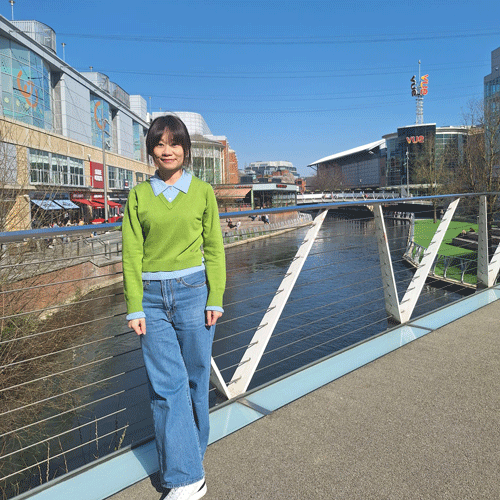
by Beatrice
As a second-year postgraduate studying career development, I started mapping out my direction during my very first term. I knew I wanted to support students through coaching and mentoring in higher education. Because I got clear on that early, I kept a regular eye on the vacancies section in the UWE Careers Toolkit. When the Peer Coach role came up in March, I was ready to jump on it.
To build my confidence and practical skills, I also threw myself into hands-on experience: volunteering with Future Quest at UWE on widening participation activities, and working with an NGO to mentor a Year 12 student through their UCAS process. Combining campus outreach with external volunteering gave me a safe space to test theory in the real world, discover my strengths, and clearly pinpoint my blind spots.
Another resource in the Careers Toolkit that made a huge difference is free access to LinkedIn Learning. Whenever I wanted to build specific professional skills, such as coaching frameworks, psychology, or data analysis, I treated those courses as zero-pressure “tasters.” They’re a brilliant way to explore new fields, discover what you actually enjoy doing and earn digital certificates to back up your CV and LinkedIn profile.
If you want to make the most of this academic year without burning out, here are three practical tips that kept me on track:
Invest one hour a week in “future you”: treat career exploration like a scheduled module. Set aside one quiet window a week to browse UWE vacancies, update a CV draft, or watch a quick LinkedIn Learning module.
Prioritize by impact, not just deadlines: academic work will always expand to fill your day if you let it. Use a digital calendar or planner to protect specific slots for volunteering, work experience, and rest so your personal development does not get pushed aside.
Test the waters early: you do not need your whole life mapped out right now. Try a micro-volunteering role, join an NGO initiative, or take an introductory course to see if an area suits you before making big commitments.
Your degree gives you the qualification, but early action gives you the confidence. Log into the Careers Toolkit this week, pick one small goal, and give yourself a head start.