
Composting, Community, and Circularity: A Glorious Morning at Heart of BS13

Posted on

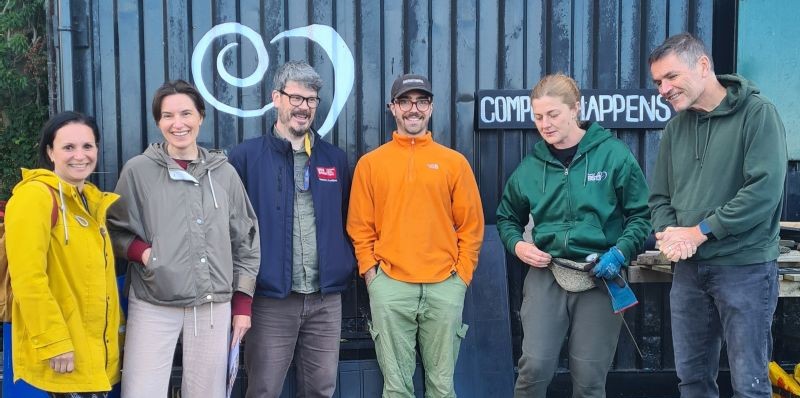
The Civic and Inclusivity and Sustainability Teams at UWE Bristol recently spent an inspiring morning at the Heart of BS13 Flower Farm,

Francesca Romita – Civic Development Manager

The Civic and Inclusivity and Sustainability Teams at UWE Bristol recently spent an inspiring morning at the Heart of BS13 Flower Farm, immersing ourselves in the transformative power of composting and community action. Guided by Jenny Liggit—Closed Loop Compost Coordinator and local composting champion—we explored the farm’s thriving community composting scheme, a brilliant example of circularity in motion.

Jenny’s work is truly remarkable. She’s successfully engaged 60 households in Hartcliffe, encouraging them to donate their food waste to be transformed into high-quality compost. This compost is then used to grow vibrant flowers and nourishing vegetables on the farm. Her approach is simple yet powerful: door-knocking, WhatsApp reminders, and warm invitations to visit the farm for a compost tour, tea, and cake. This grassroots engagement has sparked real behavioural change, demonstrating the impact of community-led sustainability initiatives.

We were also joined by Alex Montgomery, a former UWE student and founder of Generation Soil, a Community Interest Company turning Bristol’s food waste into living compost. Alex’s insights into soil health and food systems enriched our conversations, highlighting the importance of green skills education and urban food resilience.

But the visit wasn’t just about compost—it was about connection. We were joined by Paul Roberts (Head of Environment & Sustainability), Jeff Davey (Environmental Management Systems Lead), and Kat Corbett (Interim Head of Circular Economy). Together, we explored how universities like UWE can support and amplify this kind of transformational work.

Key takeaways
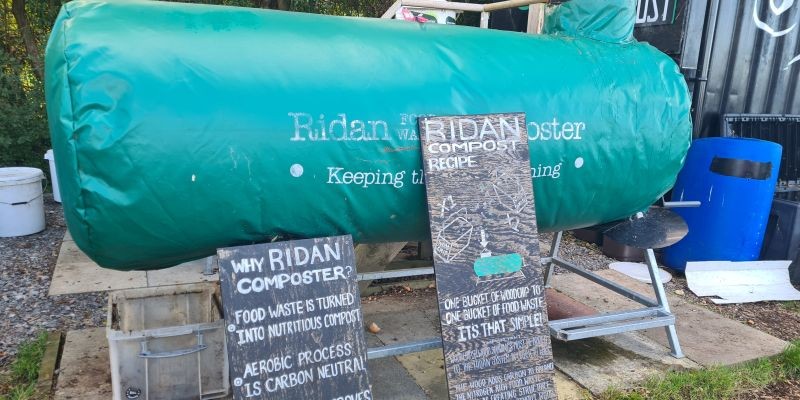
  • Food waste becomes compost, which nourishes soil and grows food and flowers—a closed-loop system benefiting both people and the planet.
  • Community engagement is essential, and Jenny’s success shows that with the right approach local communities can be deeply involved in sustainability.
  • Schools are required to manage food waste and develop climate action plans, but many lack the resources and capacity. Interestingly, SEND schools often lead the way due to their emphasis on outdoor learning.
  • Heart of BS13 emphasizes grassroots involvement, especially from young people, in shaping climate solutions—similar to how many Indigenous communities prioritise local leadership and traditional ecological knowledge.
  • Initiatives like Heart of BS13’s Green Skills Course— A practical training programme for 15–24-year-olds not in education or full-time work, combining volunteering, work experience, and learning. Activities include composting and flower farming at Hartcliffe City Farm, event planning and climate action, plus trips to green initiatives across the region.

How universities can support this vital work
There are exciting opportunities for UWE to collaborate with Heart of BS13, including:

  • Professional volunteering scheme to support marketing and campaign efforts
  • Science-informed practice to enhance impact and credibility and create links with academics at UWE
  • Outreach projects that demonstrate reductions in black bin waste, potentially attracting support from Bristol City Council
  • UWE Community Grants to fund student- and academic-led initiatives

Looking Ahead

This visit left us energised and inspired. We’re excited to explore how UWE Bristol can further support Heart of BS13’s mission to tackle health inequalities and build ecosystem resilience.

Composting may seem like a small act but today reminded us that it’s a gateway to community empowerment and transformational change.
Programme Spotlight: Dr. Tinkuma Edafioghor, 100 Black Women Professors Now

Posted on

Following the success of the 2024 cohort, UWE Bristol is renewing its partnership with the Women’s Higher Education Network (WHEN) for the 2026 cohort of the 100 Black Women Professors Now programme, addressing career progression gaps for global majority staff as part of our commitment to becoming an anti-racist institution.

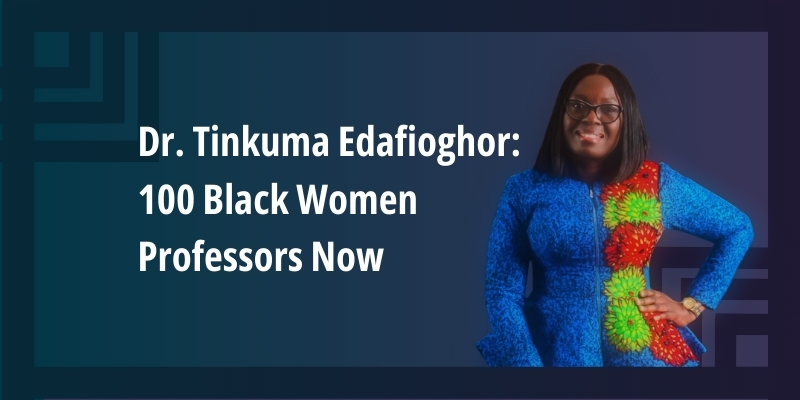
Throughout this month we will spotlight the achievements of the 100 Black Women Professors now 2024 alumni Starting with Dr. Tinkuma Edafioghor, a Senior Lecturer in Human Resource Management at UWE Bristol Business School and member of Human Resources, Work and Employment research group (HRWE)


A Foundation Built on Passion

Tinkuma’s doctoral research, “The Antecedents and Consequences of Organizational Resilience: An Investigation of SMEs in Nigeria,” reflects her deep commitment to exploring the intersection of human resource management and organizational resilience, these themes continue to drive her research today. With over eight years of experience in higher education, Tinkuma teaches across undergraduate and postgraduate modules while supervising student dissertations. Her current research focuses on organizational resilience and employee wellbeing, areas she believes are critical to business success and sustainability in today’s dynamic environment.

Like many academics, Tinkuma faced significant challenges early in her career. Balancing research demands, teaching responsibilities, and administrative duties while maintaining work-life balance proved demanding. The competitive nature of securing research funding and getting published added another layer of complexity.

“I overcame these challenges by seeking mentorship from senior colleagues who shared their insights on effective time management and research strategies,”

This experience taught her the invaluable lesson of focusing on what she could control while actively seeking support from her professional network.

The Transformative Impact of 100 BWPN

As one of six Black female academics who became pioneers of UWE’s 100 BWPN programme she experienced unprecedented levels of support and encouragement.

“Connecting with like-minded professionals, learning from their experiences and sharing insights has expanded my perspective and enriched my teaching and research,” she explains. The programme provided what she describes as “a hierarchy of support” that she had never experienced in her combined years working in higher education.

Current Research and Impact

Tinkuma’s current work includes an EDICa Funded Project titled “The Impact of Hybrid Working on Black Women Academics: Productivity and Visibility in the Post-COVID Higher Education.” This research continues her commitment to understanding and addressing the specific challenges faced by underrepresented groups in academic settings.

Her research expertise spans Human Resource Management, International HRM, and Organizational Resilience, with particular focus on talent management, employee engagement and wellbeing, leadership and change management, and strategic HRM alignment.

A Vision for the Future

Through her work with the 100 BWPN programme and the Safe Space Initiative, Tinkuma embodies the African philosophy of Ubuntu: “I am what I am because of who we all are.” Her journey demonstrates how individual transformation can catalyze systemic change, creating pathways for future generations of Black women in academia.

As she continues to research, teach, and mentor others, Dr. Tinkuma Edafioghor stands as a reminder that when institutions invest in supporting underrepresented voices, we strengthen the community as a whole.


UWE staff can apply to join the 25/26 cohort of this programme. Applications are open now, closing 19 Oct 2025.

Skills that empower – the Skills Pathway Programme: building a greener future through retrofit and sustainability

Posted on

Empowering regional talent through flexible learning

At UWE Bristol, we believe that real change begins with people – those who are ready to learn, grow, and lead. The Skills Pathway Programme was created to do just that: to equip professionals across the West of England with the tools and confidence to shape a more sustainable future. 

Supporting employees from SMEs across Construction & Built Environment, Legal Services, and Engineering & Manufacturing, the programme offered four flexible pathways: Collaborative Working, Digital & Intelligent Technologies, Leadership, and Sustainability. Each pathway combined modular e-learning with live workshops, supported by optional mentoring and a dedicated Learner Engagement Lead who ensured personalised guidance throughout.

With a strong focus on inclusion, we welcomed participants from underrepresented groups, especially women and individuals from global majority backgrounds in technical sectors. Nearly 100 professionals took part, gaining access to UWE’s facilities and expert support from academics and industry partners.

The Sustainability Pathway – particularly its retrofit modules – saw the greatest uptake, reflecting growing demand for practical skills aligned with the region’s sustainability goals. Notably, 82% of participants came from construction, manufacturing, and engineering, highlighting the programme’s relevance to regional industry.

Graduates earned a UWE Certificate and Digital Badge, marking a meaningful step in their professional journey – and a collective stride toward a more sustainable future.

Reflections on the impact of the Skills Pathway Programme

Hannah Ranby, Project Lead for the Skills Pathway Programme, shared insights into her experience overseeing the project and its lasting impact.

“The programme exceeded all targets set by our funder and achieved unexpected levels of individual and business impact. This very tangible success demonstrates that there is a real appetite for stackable, modular training from people working in the region that meets both their individual development needs and provides the specific skills their organisation needs to grow.   

Uniquely, this programme provided a high level of one-to-one support for each participant, ensuring that their pathway through the programme was fit-for-purpose and that they were set up to succeed. I’m in no doubt that taking this very tailored approach to the content and structure of the programme, and ensuring that it was accessible for working people, by blending online learning and in-person workshops, contributed to the impact that the programme has had.   

Working on such a successful programme and hearing first-hand from our participants the direct impact it has had on them and their organisation is hugely rewarding for the whole project team. We have learnt so much through this project that we are now taking forward to our other funded skills programmes to ensure continuous improvement, high levels of participant satisfaction and effective use of the funding we continue to secure.”  

Tania Geta, a qualified architect, was looking for a course that would suit her company’s project portfolio, generate new opportunities, and provide her with a qualification and the skillset to run retrofit projects. 

“Through the programme, I have increased my knowledge in the areas of sustainability and retrofit. I gained valuable insights through discussions with my mentor and self-reflection using the Growth Action Plan. These conversations provided a deeper understanding of key topics and helped me apply new perspectives to my professional development. The programme also encouraged a more structured approach to goal setting and career progression, which will continue to benefit me moving forward.” 

Usman Yaqub was drawn to the structured nature of the course and was looking to address understandings of PAS 2035 and retrofit in general and how these could be practically applied into the workplace. 

“We have delved into PAS 2035 and a range of detailed areas on retrofit in general that has proved very useful to take into the working environment. I believe that this will enhance the way in which we work and ultimately lead to an enhancement in service for society as a whole.” 


What’s next?

We’re now delivering a series of new highly subsidised Skills Bootcamps at UWE Bristol, designed for SMEs and employees in larger organisations looking to deepen expertise and upskill in key areas around sustainability and manufacturing.

Explore our Skills Bootcamps and secure your place.


The Skills Pathway Programme was funded by the West of England Mayoral Combined Authority through the Mayoral Priority Skills Fund (MPSF). The MPSF was part-funded by the UK government through the UK Shared Prosperity Fund (UKSPF).  

📌 RISE connection: The Skills Pathway Programme exemplifies Skills that empower by highlighting how tailored, inclusive learning pathways equip professionals with practical, future-focused skills – empowering individuals and industries to lead sustainable change across the West of England. It also contributes to Enriching culture, place and community and Securing a green, resilient future, two of our four RISE beacons.

Innovation with impact – exploring robotic solutions for dementia care: in conversation with Dr Carlos Cifuentes

Posted on

In early October, the Bristol Robotics Laboratory (BRL) will host the 2nd Workshop on Enabling Independence with Robotic Solutions for Enhanced Wellbeing. The event brings together experts from sociology, psychiatry, gerontology, dementia care, and robotics to explore how socially assistive robots can support independence, dignity, and wellbeing for people living with dementia.

We spoke to Dr Carlos Cifuentes, Associate Professor in Human-Robot Interaction at BRL, about why this work matters, how it connects to UWE Bristol’s RISE priorities, and what to expect from the workshop.

Can you give us a short overview of the workshop – what it’s about and who it’s for?

This workshop will explore the evolving role of technologies in supporting individuals living with dementia, focusing on human-robot interaction, cognitive support, and the lived experience of dementia in care environments. Bringing together experts in sociology, psychiatry, gerontology, dementia care and robotics, the event will showcase interdisciplinary perspectives on how socially assistive robots can be designed to meaningfully engage with the cognitive, emotional, and social needs of individuals with dementia.

The goal is to foster dialogue around how technology can enhance dignity, autonomy, and quality of life while supporting caregivers in delivering person-centred care.

Why is it important to look at robotics in the context of independence, ageing and dementia?

The increase in the ageing population is inevitable, and care homes are facing a lack of long-term caregivers. Robotics can help address the dual challenges of promoting independence, supporting caregivers, and building sustainable models of future care.

This is the second edition of the workshop. What’s new or different this year?

The first workshop focused on how robotics can enhance wellbeing in ageing populations more broadly. The second edition goes deeper into dementia care, examining human-robot interaction, cognitive support, and the lived experience of dementia in care settings.

Can you share a highlight or example of the technologies being presented or demonstrated?

We have developed a smart assistive walker (Zimmer frame) that can guide people living with dementia while walking in their homes or outdoors. It also helps guide users in performing daily activities, such as preparing a cup of tea or finding specific places. Additionally, it monitors walking patterns and provides alarms to family members and caregivers when needed.

We have also created tablet-based software that integrates with a social robot to deliver reminiscence therapy and promote physical activity for people living with dementia.

How are older adults, carers or practitioners involved in shaping these robotic solutions?

We work closely with care homes and charities. Focus groups and co-design sessions are central to our process, enabling us to gather insights and optimise technologies to better support older adults, people living with dementia, and their caregivers.

Why is the interdisciplinary approach so valuable?

The interdisciplinary approach helps us develop more suitable technologies. Gerontology and psychiatry provide insights into the behavioural modes of people living with dementia. Sociology helps us run focus groups and co-design sessions. Robotics then translates this knowledge into feasible technological solutions.

What role does BRL and UWE Bristol play in leading this kind of innovation?

The assistive robotics group at UWE is leading the co-creation of these technologies, connecting users’ expectations with innovative solutions to empower carers and family members. We are developing an ecosystem that integrates tech innovators in the UK to accelerate translation and improve affordability.

How does this work connect to UWE’s RISE priorities?

We are aligned with RISE priorities, working closely with users to develop simple and reliable solutions that can transform care delivery for people living with dementia. This reflects both Innovation with Impact and Shaping integrated healthcare, helping address the ongoing challenges faced by the NHS.

What do you hope participants will take away from the workshop?

I hope participants will witness our technologies in action and gain a better understanding of the importance of interdisciplinary research in dementia care. We also hope to foster new collaborations and inspire more people to join this field of research.

Finally, what’s next for this area of research?

The next step is to deploy these technologies in care homes so people living with dementia can experience them over the long term. The greatest opportunity for impact is to reduce the pressure and burden on caregivers, while ensuring that everyone has access to dignified, person-centred care.

🔗 Want to know more?
Explore some of the team’s recent research on socially assistive robotics and dementia:

Gerontechnology Journal – Robotic Assistive Technology

IEEE Xplore: Smart Walker for Cognitive Support

IEEE Xplore: Reminiscence Therapy with Robots

Frontiers in Robotics and AI – Socially Assistive Robotics

📅 Workshop details:
Date: Friday 3 October 2025
Time: 10:00 AM
Location: Seminar Room OT145, Bristol Robotics Laboratory, UWE Bristol
Registration is required.

📌 RISE connection: This work exemplifies Innovation with impact by co-designing robotic solutions that address real-world challenges in dementia care. It also contributes to Shaping integrated healthcare, one of our four RISE beacons, by bringing technology, health expertise, and lived experience together to improve independence, dignity and quality of life.

Research with purpose – the Visible Difference Support Hub

Posted on

Living with a visible difference, such as alopecia, eczema, burns and skin conditions can affect confidence, wellbeing, and everyday experiences, from school life to social media. For many years, UWE researchers have been working with charities and people with lived experience to create resources that make a difference.

Now, for the first time, those resources are all brought together in one place: the Visible Difference Support Hub.

“We wanted this to be research that makes a difference. The hub is about wanting to make a positive difference to people living with visible differences – making the outputs from our research accessible to everybody.” – Professor Diana Harcourt

Until now, resources for people with visible differences were scattered, failed to address today’s realities such as social media and were rarely based on rigorous scientific research. The Hub changes that. It offers inclusive, modern, evidence-based and accessible guidance for:

  • Children and young people
  • Adults
  • Parents and carers
  • Teachers and professionals
Illustration of three people with visible differences standing together by the water at sunset. One person raises their arm joyfully towards the sky, while the others stand close, smiling. The sun is setting behind mountains in the background, with rays stretching across the sky and reflections shimmering on the water.

Bringing Research, Practice and Experience Together

The Hub represents years of UWE research, shaped by collaboration with charities, healthcare professionals, and advisory groups.

“Charities have informed it a lot, from helping to recruit volunteers, to being on advisory groups. This is our way of giving back, offering them something they can offer to the people who use their services.” – Diana Harcourt

From the colours chosen (carefully selected to be inclusive and non-triggering) to the accessibility of the design, the Hub has inclusivity “baked in there from the beginning”.

Real Impact

Feedback so far has been overwhelmingly positive. Users describe the Hub as inclusive, accessible, seamless, and modern.

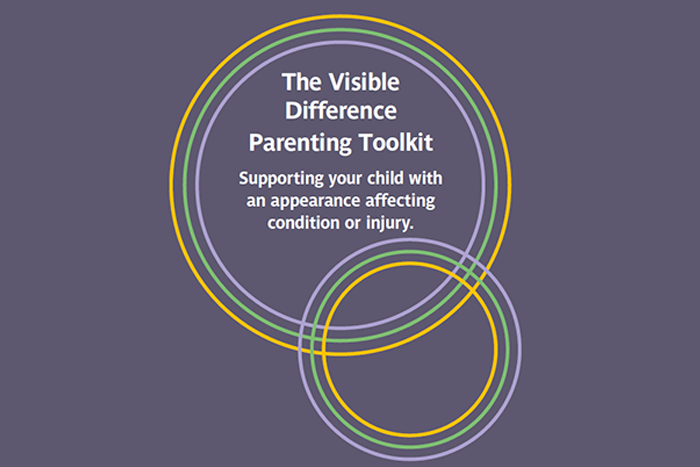
Spotlight: The Visible Difference Parenting Toolkit

One example of the Hub’s impact is the Parenting Toolkit, designed to help parents and carers support children with visible differences. It offers guidance on building confidence, navigating conversations, and tackling challenges in everyday life.

Cover image for the Visible Difference Parenting Toolkit. It features overlapping yellow, green, and purple circles on a dark purple background, with white text reading: “The Visible Difference Parenting Toolkit – Supporting your child with an appearance affecting condition or injury.”

Looking Ahead

The Hub is just the beginning. Future developments include:

  • Adding new and translated resources
  • Launching the Loving Action podcast series for adults with visible differences navigating relationships
Illustration of an adult and child with a visible difference walking together. The adult holds a flower-patterned umbrella, while the child rides a scooter. A winding path with a hopscotch game is visible on the ground ahead of them.

Acknowledgements

The Hub was developed with support from UWE’s Impact Fund in 2024, with web development by Neil Robert Leonard and illustrations by Abbi Bayliss.

“It’s been a team effort – past and present researchers, charities, and creative collaborators have all helped shape the Hub.” – Diana Harcourt

Explore the Hub

The Visible Difference Support Hub is free, open, and designed to be shared.

👉 Visit the Visible Difference Support Hub

📌 RISE connection: This blog aligns with Research with Purpose and Enriching culture, place and community by demonstrating how UWE research is making a tangible, positive difference in people’s lives.

Developing and implementing a public health and criminological approach to tackling sexual abuse

Posted on

A new book from UWE Bristol colleagues is shining a light on how we can take a fresh approach to preventing sexual abuse.

Content note: This blog discusses sexual abuse and prevention.

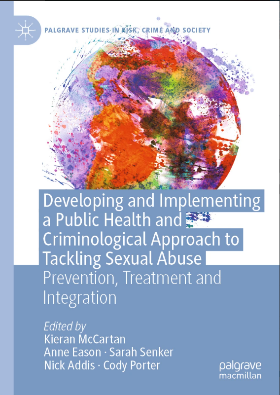
The book, Developing and Implementing a Public Health and Criminological Approach to Tackling Sexual Abuse, has been written by Professor Kieran McCartan, Dr Anne Eason, Dr Sarah Senker, Dr Nick Addis, and Dr Cody Porter. It brings together years of research and collaboration across different academic disciplines, supported in part by a UWE Emerging Research Excellence (ERE) grant.

A new way of thinking

The authors argue that tackling sexual abuse should not be left solely to after-the-fact responses in the criminal justice system. Instead, they suggest adopting a public health and criminological model known as Epidemiological Criminology (EpiCrim).

EpiCrim looks at prevention through the socio-ecological model – from individual and interpersonal relationships, right through to communities and society. This means focusing on:

  • Preventing first-time offending,
  • Reducing repeat offending, and
  • Addressing the life experiences and trauma that can lead to harmful behaviour.

By framing sexual abuse as a behaviour that can be prevented, treated, and understood, this approach encourages earlier interventions and more proactive solutions, alongside continued support for victims.

Book cover of “Developing and Implementing a Public Health and Criminological Approach to Tackling Sexual Abuse: Prevention, Treatment and Integration.” The design features a colourful abstract globe illustration in red, purple, orange, and green on a white and blue background. Authors listed: Kieran McCartan, Anne Eason, Sarah Senker, Nick Addis, and Cody Porter. Published by Palgrave Macmillan.

From research to practice

The book explores the roots of sexual abuse, how and where it happens, how society responds, and how people can be supported to safely re-enter communities after conviction. It highlights evidence from service users, victims, professionals, and policymakers, showing that prevention is possible with the right structures in place.

To help turn research into action, the UWE team have also created a policy briefing aimed at practitioners and policymakers. It makes clear recommendations, such as:

  • Broadening prevention beyond individuals to communities and society,
  • Coordinating multi-agency responses,
  • Embedding trauma-informed approaches, and
  • Expanding and funding victim support services.

These recommendations were also shared at a dedicated UWE Bristol conference, supported by a visual infographic designed to capture the key themes.

Sharing knowledge more widely

Before the book was published, Professor McCartan joined the UWE Let’s Talk Health and Care podcast to discuss the research and its real-world impact. The message is clear: sexual abuse is preventable, and change is possible if we take a more holistic, evidence-based approach.

Find out more

📘 Read the book

🎧 Listen to the podcast

UWE Bristol win funding to use Deep Learning to create a Holistic Assessment of Animal Welfare  

Posted on

The Centre for Machine Vision (CMV) at UWE Bristol have recently won funding to investigate towards a Holistic Assessment of Animal Welfare using Emotion and Deep Learning, building on prior work from CMV.  

The project aims to develop technology for automated assessment of animal emotional wellbeing through the interpretation of body language, informed by work in human activity and emotion recognition using AI. Body posture and movement, which together characterise a wider body language, manifest as varying body shapes/poses and movements. The team will utilise human eye tracking to identify holistic spatial temporal animal features linked to perceived animal emotional states, then apply this knowledge via a novel form of supervised machine learning. 

The project comprises of five partners including BOKU University, Scotland’s Rural College, University College Dublin, Linnaeus University and UWE Bristol.

The call was run by the European Partnership on Animal Health and Welfare with each partner funded by their national funder, DEFRA in UWE Bristol’s case.  

The total grant is €1,459,800, with €492,000 allocated to CMV/UWE. There has also been a spinout InnovateUK project, “Pig Health Station” aimed at realising a commercial product, arising from the work. 

The interdisciplinary team will explore computer vision-based machine learning techniques to train machine models with numerous examples of pig body language corresponding to different animal emotional states (ground truth), such as positive emotions associated with reward or negative emotions caused by unfamiliar environments. With extensive examples including structured treatments and environments to create a spectrum of emotional experiences, they aim to correlate specific animal stances and movements with given emotions and levels of arousal. 

Through a system of detected trends and alerts, AI enabled automation could offer a powerful means to identify animals needing follow-up interventions in a timely manner, ensuring animal wellbeing, reducing production costs (e.g. treatments, morbidity) and antimicrobial usage (e.g. fewer blanket treatments). 

The project will be led by Associate Professor of Computer Vision and Machine Learning Dr Wenhao Zhang, Lecturer in Robotics and Machine Vision Dr Disi Chen and Professor of Machine Vision Professor Melvyn Smith.  

Knowledge Transfer Partnership case study – True to Nature

Posted on

The Knowledge Transfer Partnership (KTP) between University of the West of England (UWE Bristol) and True to Nature was established to develop a high-performance underwater drone (ROV) called Mako for capturing cinematic footage of fast-moving marine animals like sharks and dolphins. The project aimed to enhance True to Nature’s innovation capabilities and establish in-house R&D capacity while addressing technical challenges in underwater filming through advanced engineering and manufacturing expertise. Professor Carinna Parraman led the multidisciplinary academic team from UWE Bristol’s Centre for Print Research, with Matt Dumbrill serving as the KTP Associate who developed expertise in prototyping, design, and systems integration.

The Company

True to Nature is a Bristol-based independent production company founded by Dr Wendy Darke, former Head of the BBC Natural History Unit. True To Nature specialises in creating innovative natural history content that connects people with the natural world. With nature at its core, the company invests in advanced filming technologies to deliver immersive visuals and serve as a voice for the planet. True To Nature has produced content for major broadcasters and streaming platforms including BBC, Sky and Netflix and is currently expanding its reach through YouTube.

The Challenge

The KTP project addressed two core challenges: designing a high-performance underwater drone from scratch and embedding a research and development (R&D) capability within True to Nature. The technical challenge involved developing a bespoke Remotely Operated Vehicle (ROV) capable of capturing immersive wildlife footage, including air-to-underwater transitions. This required expertise across fluid dynamics, system control, power management, communications, digital film, material selection, and 3D printing. A major hurdle was overcoming underwater leakage caused by pressure and seawater erosion. The team had to carefully design and integrate power systems, control mechanisms, and communications to ensure reliable operation during filming.
For True to Nature, the project was a strategic opportunity to enhance its innovation credentials and strengthen in-house R&D capacity. The successful development of the ROV will enable the capture of unique footage of sharks and dolphins, hopefully contributing to winning a landmark series with a major streaming platform and generating significant commercial value.

“The effect of the KTP for True To Nature has been motivating and transformational and will provide the company with a competitive advantage that is difficult to copy i.e. a 20mph capable ROV that will keep pace with and film a shark. This capability has allowed True To Nature to bid for underwater film production opportunities with big broadcasters and streamers that will hopefully underpin future growth in turnover and profitability.” Stephen Batty (Commercial Director, True To Nature)

To address True to Nature’s ambition of capturing cinematic underwater footage featuring fast-moving marine animals such as sharks or dolphins, the KTP project developed a bespoke ROV named Mako (after the world’s fastest shark). Designed for speed and agility, the ROV underwent iterative prototyping and testing, achieving watertight integrity and operational readiness. The film and TV industry—especially the natural history genre—is currently facing significant challenges, with fewer commissioning opportunities. However, the KTP and ROV solution has given True To Nature a competitive edge, enabling the capture of never-seen-before underwater content and increasing the potential to secure new, profitable production projects.

Beyond its original purpose, the ROV also shows promise for wider applications such as search and rescue and rapid coral bleaching surveillance. The multidisciplinary expertise provided by UWE Bristol—spanning engineering, design, and software—was critical to the project’s success. These skills have been embedded within True To Nature, establishing a lasting in-house R&D capability and enhancing the company’s competitive edge

Benefits and Changes

The Knowledge Transfer Partnership (KTP) between True to Nature, the UWE Bristol, and Innovate UK has led to significant advancements in underwater filming technology, innovative R&D capabilities, and competitive positioning within the natural history production industry at True to Nature. As a result of the KTP, True to Nature and its staff have acquired several new knowledge areas and capabilities. These include (but not limited to):

  • The KTP delivered significant benefits across all partners. For True to Nature, it enabled innovative filming techniques with commercial and scientific potential, while establishing inhouse R&D capacity to support future productions and product commercialisation.
  • For UWE Bristol, the project opened opportunities to publish academic papers in areas such as underwater drone innovation. The paper will add valuable weighting to support the development of an impact case study for participation in REF2028, strengthening the university’s research profile in advanced manufacturing and creative technologies.
  • The KTP Associate gained hands-on experience in prototyping, design, and systems integration through the development of the ROV. This was complemented by formal training, including a commercial drone pilot licence and a professional project management qualification, enhancing technical and leadership skills.
  • On the business side, several proposals have been developed to hopefully secure an opportunity to win a new commission and deploy the Mako ROV which provides a unique competitive advance in underwater capture techniques. This would support the company to increase revenue and profit in a time of contraction and uncertainty in the factual TV industry.
  • The project also delivers broader societal impact—bringing audiences closer to wildlife through immersive storytelling and supporting the wider sustainability agenda.

What the Knowledge Base partner has to say

At UWE Bristol, the academic team applied specialist expertise to guide the KTP Associate through the full design and development cycle of the Mako underwater drone. This included, aerodynamic assessment of underwater vehicle body to minimise the drag effect on drone speed using theoretical calculation and numerical simulation like Computational Fluid Dynamics (CFD) (Dr Jun Yao), propulsion and control to power and manoeuvre underwater vehicle operation with designed speed (Dr Budi Chandra), optical knowledge on camera selection for film and whole vehicles manufacture using 3D printing technology, etc (Dr Fabio D’Agnano and Prof. Carinna Parraman).


Strong communication across all partners helped identify challenges early and supported smooth project delivery. Encouraging the Associate to explore new ideas fostered confidence and growth. In the long run, this project enhances UWE’s reputation in technology and innovation, enabling it to better support businesses through UKRI-funded KTPs.

“I have truly appreciated my experience with this KTP. Although it has required considerable effort, it has provided me with numerous
benefits. I have acquired extensive knowledge in prototyping—a field I was eager to explore—and have learned a great deal about business, management, and finances from Ashorne Hill. Additionally, completing APM Project Management training has solidified this knowledge for future application, as I aspire to start a business that may continue to collaborate with True to Nature” Matt Dumbrill (KTP Associate)

14 UWE Bristol academics named among world’s top scholars by ScholarGPS

Posted on

Fourteen UWE Bristol academics have been recognised as leading experts in their fields by ScholarGPS, which ranks the most productive and influential researchers globally based on the impact of their published work.

Spanning disciplines including Psychology, Computer Science, Engineering, Linguistics and Biomedical Sciences, the list celebrates both long-term research excellence and recent impact across the past five years.

ScholarGPS rankings are based on comprehensive publication and citation data, offering an independent view of scholarly productivity and influence. Recognition in these rankings highlights the quality and global reach of UWE’s research activity.

UWE’s top-ranked scholars:

Lifetime rankings (All Fields):

Top scholars (Prior five years):

We are proud to see our colleagues impactful research being recognised and shared across the world, working across areas as diverse as fungal computing, emergency medicine and climate change activism. Every citation in Google Scholar reflects not just the quality of their work, but also the commitment, creativity and collaboration that drive research at UWE Bristol.

Philippa Shelton, Assistant Director of Research an External Engagement.

UWE Bristol researcher leads first UK workshop on ecocide in global politics

Posted on

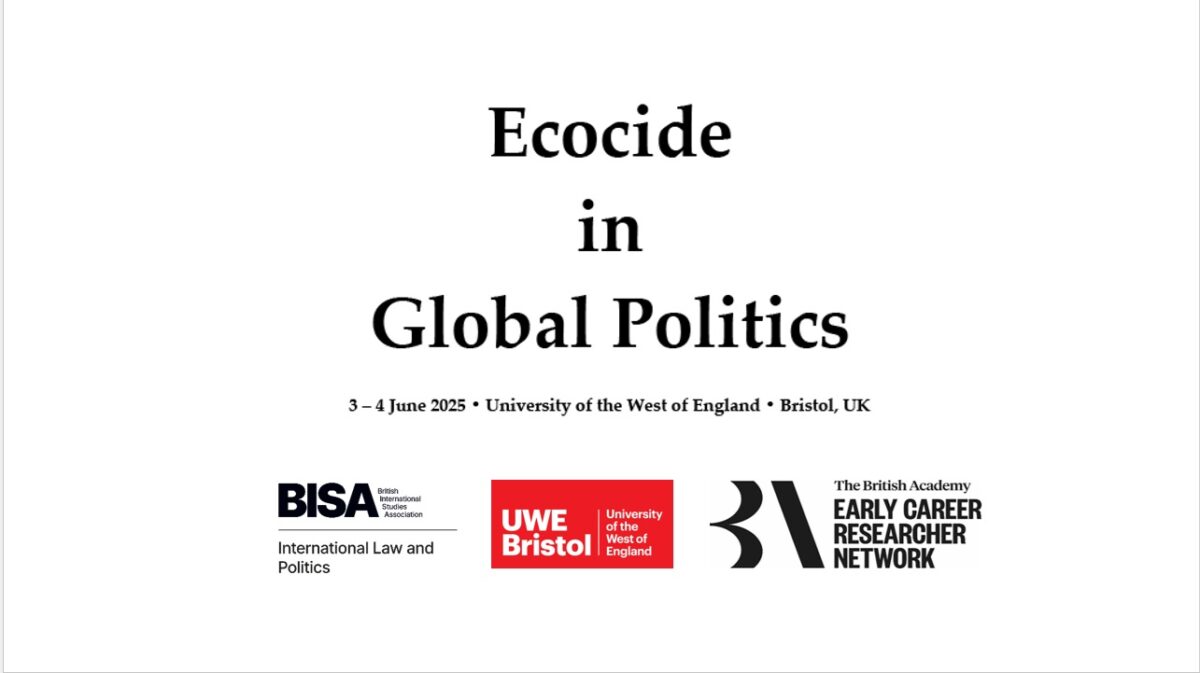
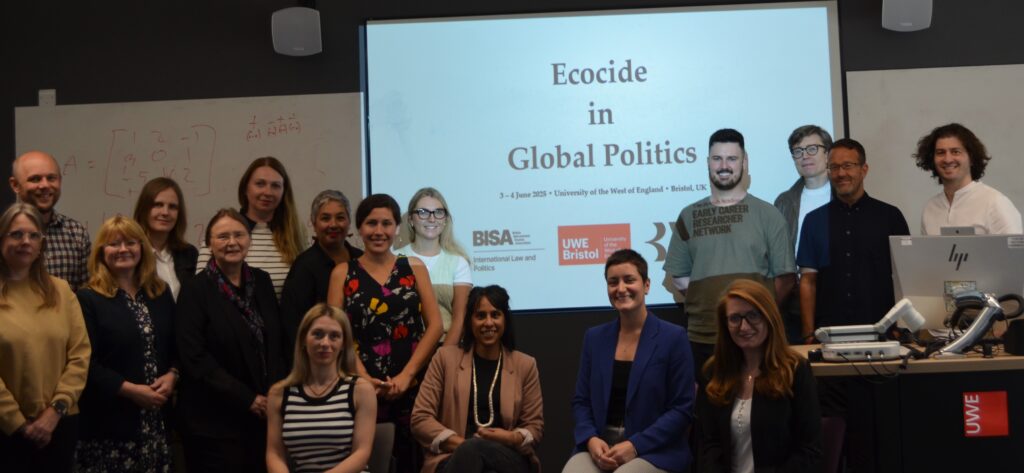
In June 2025, UWE Bristol hosted the UK’s first dedicated research workshop on Ecocide in Global Politics, bringing together early career researchers from across the country to explore this urgent and emerging issue.

The event was convened by Dr Suwita Hani Randhawa, Senior Lecturer in Politics and International Relations, with support from the British Academy and the British International Studies Association (BISA). Held on UWE Bristol’s Frenchay Campus, the two-day workshop explored the conceptual, legal and political dimensions of ecocide, alongside its implications for activism, resistance, and pedagogy.

Group photo of workshop participants in front of a slide titled "Ecocide in Global Politics"

Keynote speakers included Professor Damian Short (School of Advanced Study, University of London) and Jojo Mehta (Co-founder and CEO of Stop Ecocide International). Their sessions focused on strategies for impactful research and how to translate academic work into policy change – key themes for the early career scholars in attendance.

The workshop also marked the start of a broader initiative: to establish a formal Ecocide Researchers Network in the UK. Dr Randhawa is now leading next steps, including external funding bids for a dedicated research centre and an academic journal on ecocide.

Research meets real-world impact

The event took place just days after the Ecocide (Scotland) Bill was introduced at the Scottish Parliament. Dr Randhawa, as a member of the Bill’s Expert Advisory Group, played a key role in shaping its content.

If passed, the Bill would make it a criminal offence to cause widespread, long-term or irreversible environmental damage – with up to 20 years in prison for individuals and unlimited fines for corporations. The Bill positions Scotland as a leader in international efforts to criminalise ecocide, following recent developments from the EU, Pacific Island nations, and international courts.

Supporting change through research and education

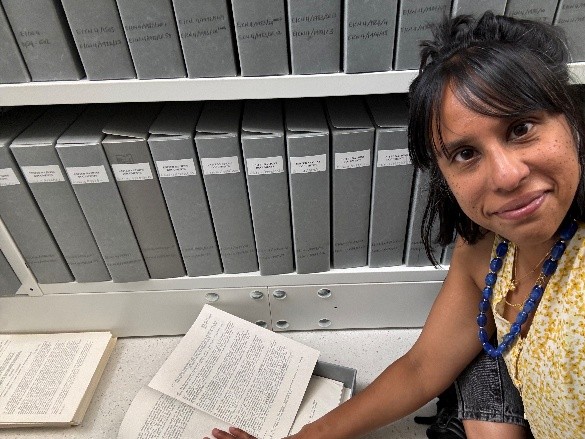
This growing momentum is mirrored in Dr Randhawa’s own research and teaching. With support from the British International Studies Association, she recently completed archival work on the diplomatic history of ecocide at the United Nations. Further funding from the Arts and Humanities Research Council (AHRC) and UWE Bristol’s Higher Education Innovation Fund (HEIF) is enabling her to deliver targeted impact activity with local and national policy-makers.

Dr Randhawa in the United Nations archive, reviewing historical ecocide documentation.

Alongside this, Dr Randhawa introduced a new undergraduate module on ecocide for Politics and International Relations students at UWE Bristol — one of the first of its kind in the UK. The module has been praised for combining global political theory with real-world environmental challenges. It will run again next academic year, and colleagues interested in collaboration are invited to get in touch.

This workshop was made possible through the support of:

  • The British International Studies Association (BISA)
  • The British Academy Early Career Researcher Network
  • The College of Arts, Technology and Environment and College of Health, Science and Society at UWE Bristol

To connect with Dr Suwita Hani Randhawa or learn more about the Ecocide Researchers Network, email: suwita.hanirandhawa@uwe.ac.uk