


Francesca Romita – Civic Development Manager
The Civic and Inclusivity and Sustainability Teams at UWE Bristol recently spent an inspiring morning at the Heart of BS13 Flower Farm, immersing ourselves in the transformative power of composting and community action. Guided by Jenny Liggit—Closed Loop Compost Coordinator and local composting champion—we explored the farm’s thriving community composting scheme, a brilliant example of circularity in motion.
Jenny’s work is truly remarkable. She’s successfully engaged 60 households in Hartcliffe, encouraging them to donate their food waste to be transformed into high-quality compost. This compost is then used to grow vibrant flowers and nourishing vegetables on the farm. Her approach is simple yet powerful: door-knocking, WhatsApp reminders, and warm invitations to visit the farm for a compost tour, tea, and cake. This grassroots engagement has sparked real behavioural change, demonstrating the impact of community-led sustainability initiatives.
We were also joined by Alex Montgomery, a former UWE student and founder of Generation Soil, a Community Interest Company turning Bristol’s food waste into living compost. Alex’s insights into soil health and food systems enriched our conversations, highlighting the importance of green skills education and urban food resilience.
But the visit wasn’t just about compost—it was about connection. We were joined by Paul Roberts (Head of Environment & Sustainability), Jeff Davey (Environmental Management Systems Lead), and Kat Corbett (Interim Head of Circular Economy). Together, we explored how universities like UWE can support and amplify this kind of transformational work.
Key takeaways
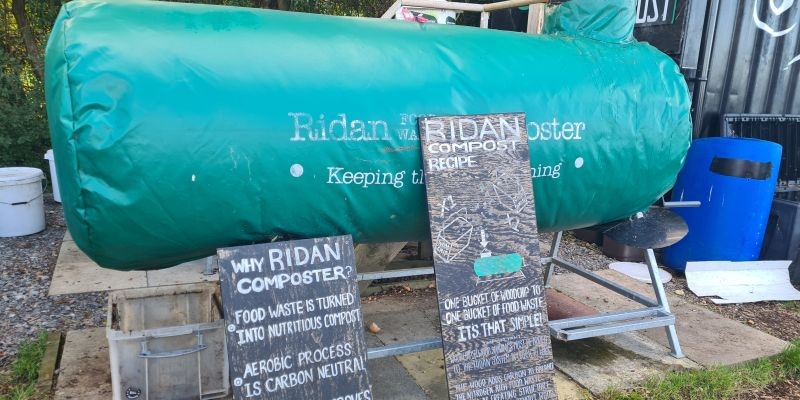
- Food waste becomes compost, which nourishes soil and grows food and flowers—a closed-loop system benefiting both people and the planet.
- Community engagement is essential, and Jenny’s success shows that with the right approach local communities can be deeply involved in sustainability.
- Schools are required to manage food waste and develop climate action plans, but many lack the resources and capacity. Interestingly, SEND schools often lead the way due to their emphasis on outdoor learning.
- Heart of BS13 emphasizes grassroots involvement, especially from young people, in shaping climate solutions—similar to how many Indigenous communities prioritise local leadership and traditional ecological knowledge.
- Initiatives like Heart of BS13’s Green Skills Course— A practical training programme for 15–24-year-olds not in education or full-time work, combining volunteering, work experience, and learning. Activities include composting and flower farming at Hartcliffe City Farm, event planning and climate action, plus trips to green initiatives across the region.
How universities can support this vital work
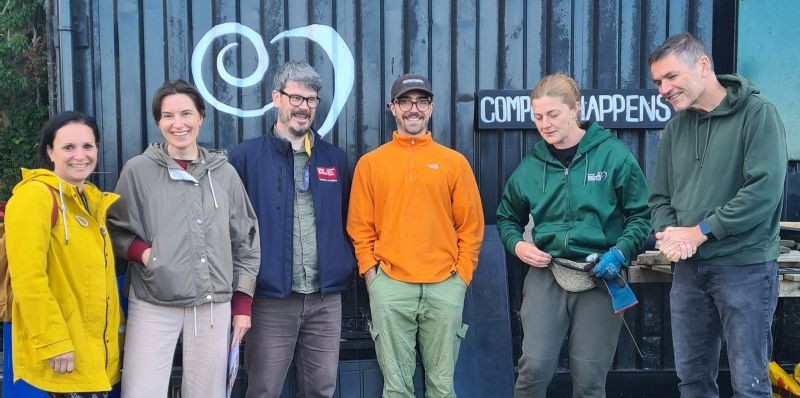
There are exciting opportunities for UWE to collaborate with Heart of BS13, including:
- Professional volunteering scheme to support marketing and campaign efforts
- Science-informed practice to enhance impact and credibility and create links with academics at UWE
- Outreach projects that demonstrate reductions in black bin waste, potentially attracting support from Bristol City Council
- UWE Community Grants to fund student- and academic-led initiatives
Looking Ahead
This visit left us energised and inspired. We’re excited to explore how UWE Bristol can further support Heart of BS13’s mission to tackle health inequalities and build ecosystem resilience.
Composting may seem like a small act but today reminded us that it’s a gateway to community empowerment and transformational change.