DETI Inspire at UWE Bristol are running a series of engineering engagement events with local schools during British Science Week this year (5th-14th March) called The Big Beam Infor British Science Week and they invite anyone currently studying or working in engineering to take part.
The Big Beam In aims to connect children throughout the South West with real-life engineers and showcase the diversity of engineering, its people, skills and future career opportunities.
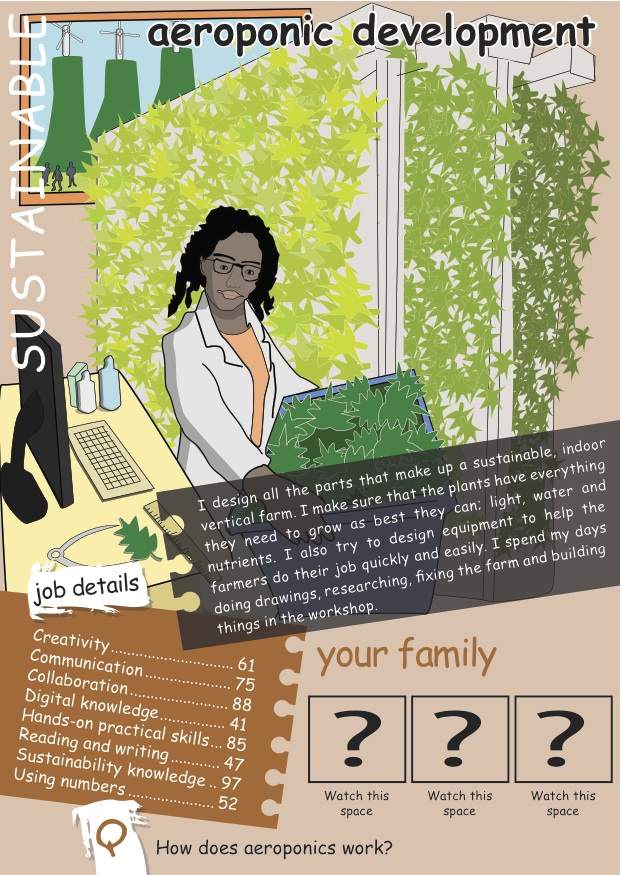
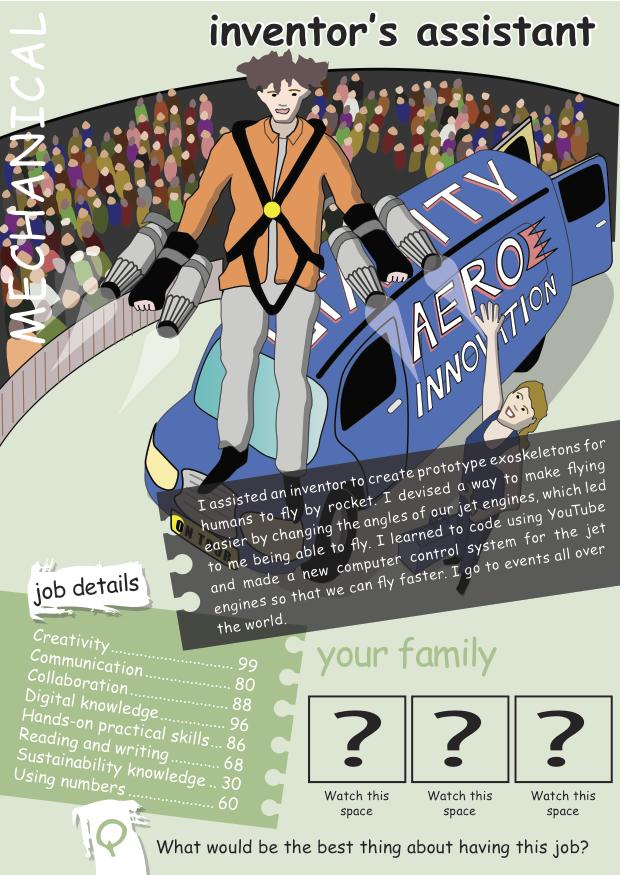
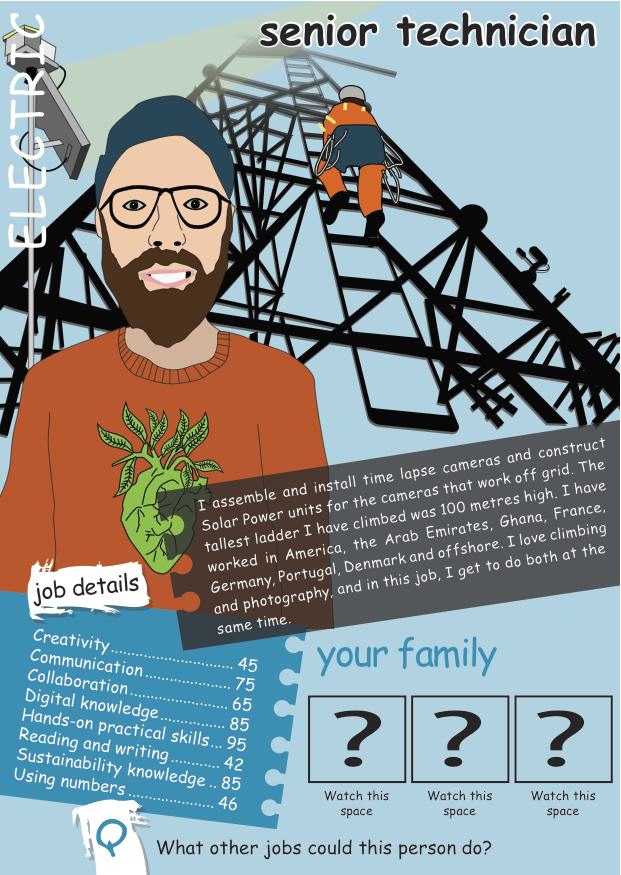
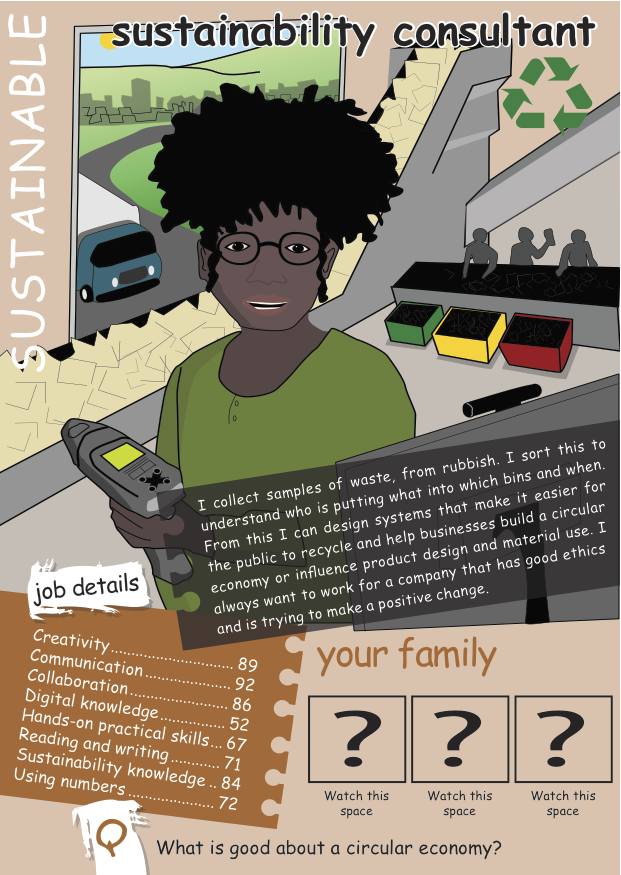
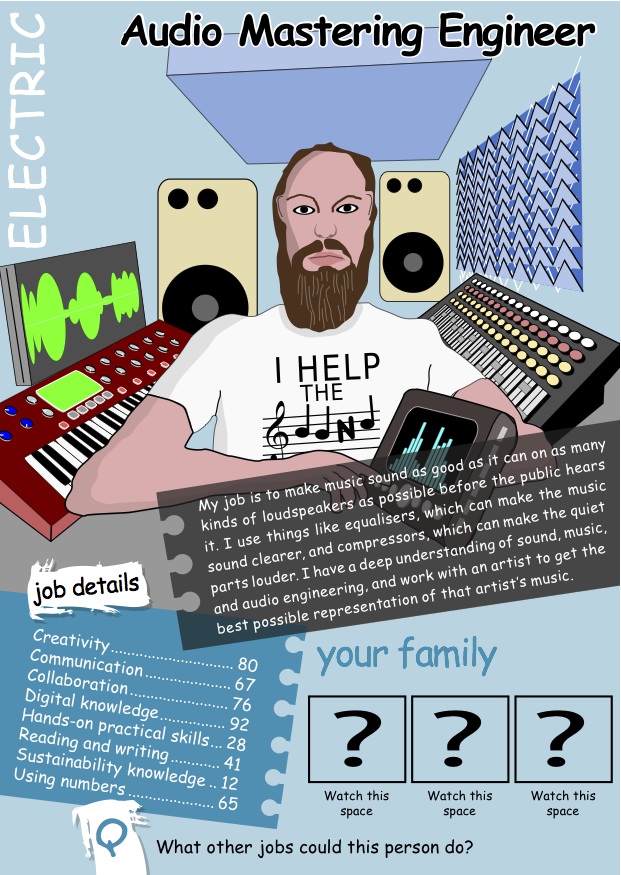
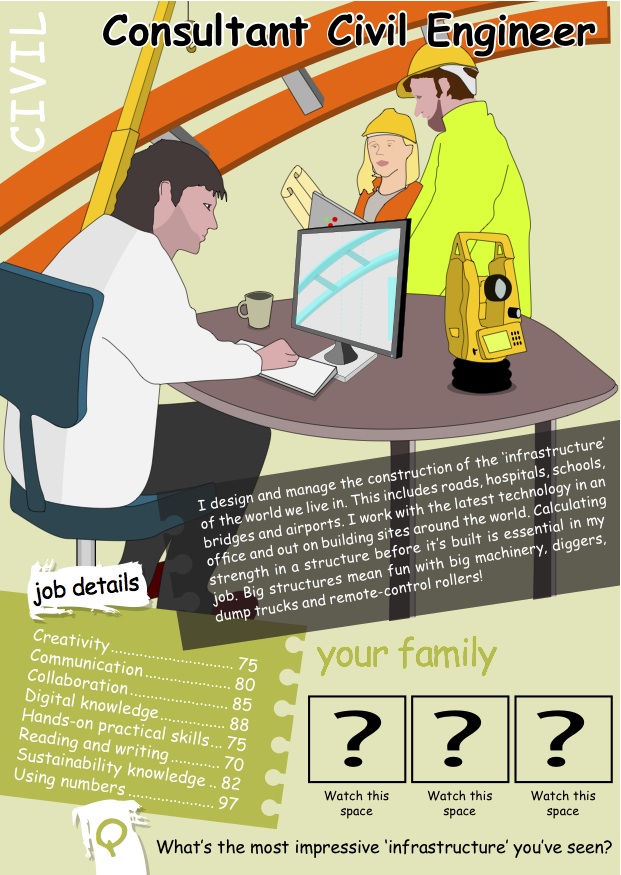
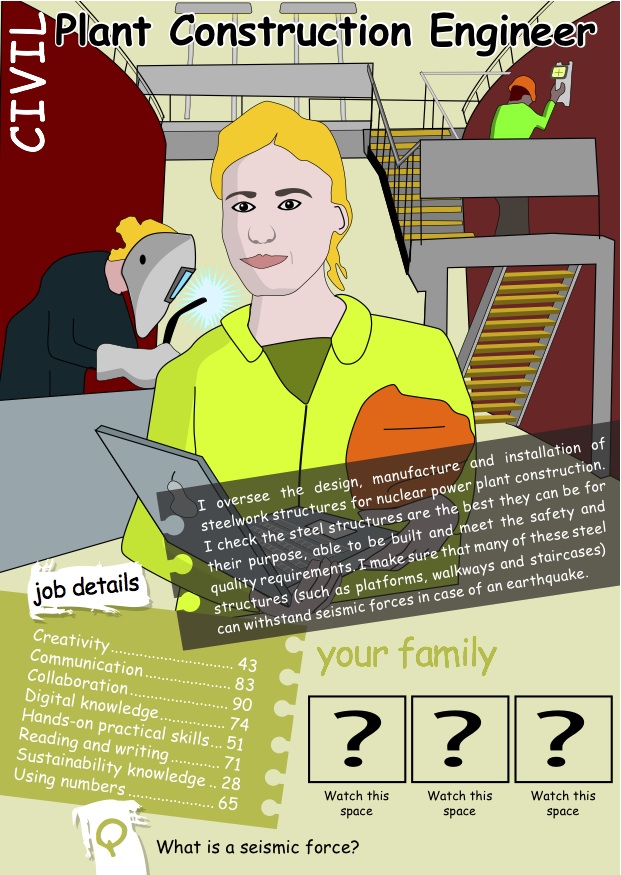
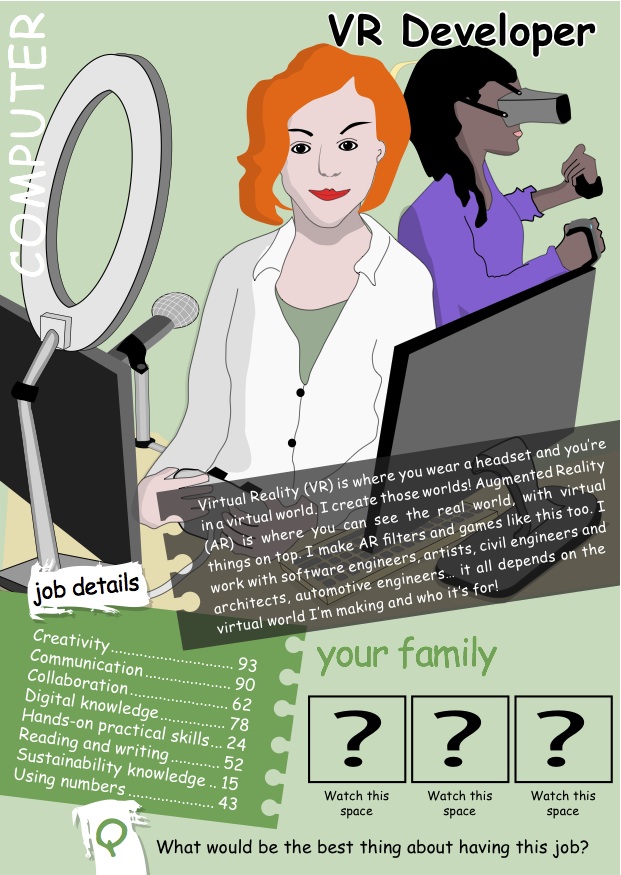
The sessions will take place virtually and full lesson plans and guidance are provided to all teachers and engineers taking part. These lessons are themed around DETI Inspire’s latest school resource Engineering Curiosity – a set of top-trump style cards which have been created with engineers across the region.
If you are an engineer and would like to take part in some online outreach and engagement activities with schools in your local area, register your interest using this online form today!
Laura studied for a degree in mechanical engineering at the University of the West of England (UWE) before joining the Bus Engineering graduate scheme at FirstGroup. She recently shared her story in an interview with Prospects, helping students discover what it’s like to be a maintenance engineer.
In the interview Laura speaks about why she chose a career in engineering, a typically male-dominated industry, and gives her insight into how we might increase female representation – through relatable role models and more opportunity for girls to engage with engineering activities at a young age.
Girls also need to see more representation of people that look like them in engineering roles.
She also mentions becoming a member of the Women’s Engineering Society (WES) after attending conferences as a student at UWE, and how these experiences helped increase her confidence and develop supportive networks, allowing her to create a women’s engineering society whilst studying for her degree.
The issues raised in Laura’s interview are incredibly important. With women currently representing just 12% of the UK engineering workforce, more needs to be done to encourage and support girls to study and pursue a career in engineering and help retain those women already in the industry.
UWE Bristol’s peer mentoring programme Women Like Me aims to address these issues head on.
Women Like Me pairs mid-career women engineers with junior women engineers, and provides career and public engagement mentoring. As part of the programme, junior engineers deliver engineering engagement activities in local schools and at local public events, providing positive role models for young girls. Through this approach, the project will lead to impact both in the workplace today, and for the future of the engineering profession.
I’m an Engineer is an online STEM engagement and enrichment project that connects students with real engineers online.
And this year, the DETI Inspire team from UWE Bristol have teamed up with I’m an Engineer to show students the positive impacts of digital engineering.
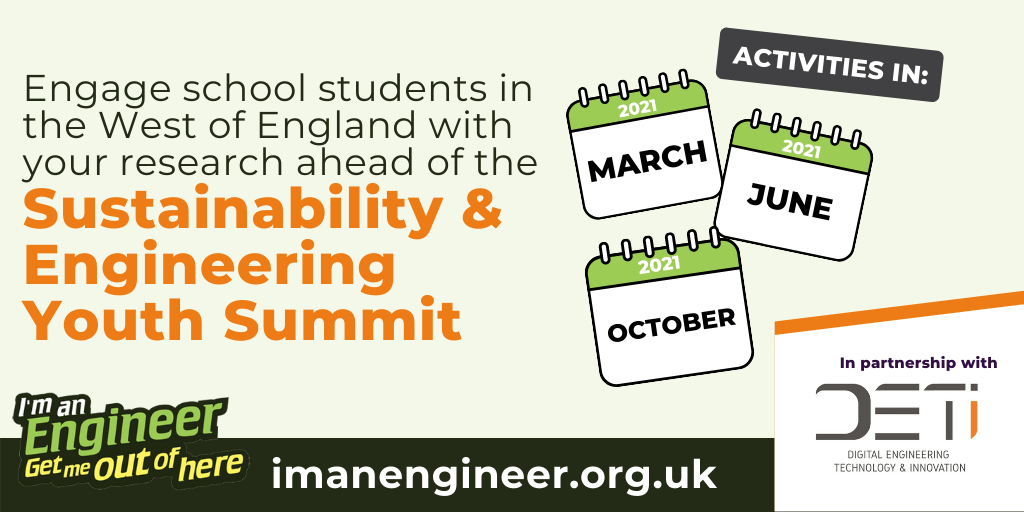
Engineers from across the region are invited to take part in the Youth Engagement with Engineering and Sustainability Summit (YEESS!) to help school students see engineering’s impact on sustainability and the future of our planet.
Together with DETI, I’m an Engineer will run 3 activities for schools in the West of England as part of the DETI Inspire programme.
In March and June 2021 , students can Ask engineers questions, Chat to them in live text-based Chats, and Vote for their favourite engineer to win £500 to put towards further outreach.
In October 2021 , engineers who have taken part in March and June will be given the opportunity to discuss sustainability and engineering with students ahead of COP26 (UN Climate Change Conference) as part of the Youth Engagement with Engineering and Sustainability Summit.
Help students understand the role engineering has to play in making the world more sustainable
Engage school students in the West of England with your work
Help students see engineering as something ‘for them’
Improve your communication skills
I’m an Engineer is accessible and flexible to fit around your schedule – the Zones take place over 4 weeks, and you can choose to participate in live Chats at a time that suits you. You only need access to a computer or tablet, and Internet access, to take part.
The Metre Zone (1st-26th March) is funded by the Digital Engineering Technology & Innovation initiative (DETI), as part of the Inspire programme led by the Engineering, Design and Mathematics Department at the University of the West of England (UWE).
Engineering Curiosity is a new engineering themed resource developed for KS2&3 pupils by the DETI Inspire programme at UWE Bristol, in partnership with My Future My Choice.
The resource features a set of 52 ‘top-trump’ style cards, each themed on a real-life local engineer from the West of England region. Through the cards, children can explore the diversity of engineering, its people, skills and future career opportunities.
Each card will be available in both a physical and digital format, so schools can engage students working in the classroom and also those working remotely from home.
The digital cards will be hosted on the Curiosity Connections website – a network connecting people and organisations in the West of England with inspirational primary STEM education, managed by the DETI Inspire team at UWE Bristol and Graphic Science, the STEM Ambassador hub West of England.
The cards will also feature in a series of online events held during British Science Week this year (5th-14th March), where engineering ambassadors will pair up with local schools as part of the Engineering Curiosity Big Beam In!
During the Big Beam In, engineers will have the opportunity to ‘beam’ into a local school and participate in their lesson virtually, answering children’s questions about their role and skill set, and discussing how engineers can make a real difference to people’s lives and the world around us.
The Engineering Curiosity Big Beam In aims to connect children throughout the West of England with real-life engineering role models and foster a curiosity for all things engineering.
If you are an engineer and would like to volunteer for the Big Beam In, you can register to take part here. If you are a local business and would like to support the Big Beam In, you can sponsor a school to receive their own pack of Engineering Curiosity cards. Please contact deti@uwe.ac.uk for more details.
Digital Engineering Workshops: Aligning Skills Requirements – 22nd to 29th of January
The DETI Innovate programme led by the Engineering, Design and Mathematics Department at UWE Bristol, are hosting a series of workshops to determine the skills and knowledge required in the engineering workforce that will enable Industry 4.0 technologies to be effectively deployed and used widely by UK manufacturing.
The insight gained from these workshops will support development of the technical education and training provision required to develop these skills and knowledge as a series of Continuing Professional Development (CPD) courses.
DETI Innovate are now looking for local participants with a good understanding of the product development lifecycle within an Engineering Manufacturing context. If you are interested in joining a workshop, or if you have some experts in the field, please select your preferred date from this doodle poll.
For more information about the DETI Innovate programme and associated workshops, please contact Pedro Lafargue, Research Fellow, UWE Bristol.
An engineering revolution is underway. Driven by dedicated individuals who are building extraordinary machines that will change our lives.
Dr Steve Wright, Senior Research Fellow for the Engineering Design and Mathematics department at UWE Bristol, was approached earlier in the year by BiggerBangTv for his comments on the future electric aircraft projects being featured in its documentary series Engineering the Future, now being streamed on HBO in the US and Curiosity Stream worldwide.
In the second episode of the series, Aviation, Steve, an Avionics and Aircraft Systems specialist, was featured speaking in The Foundry, UWE’s enterprise lab on Frenchay campus, where his drone and aerospace activities are based.
The episode introduces some of the most exciting and innovative electric and autonomous aircraft projects around the world and shares the inspiring stories of the engineering teams behind them.
Dr Wright also featured in a recent BBC news article about the challenges of engineering ‘greener’ aircraft.
UWE Bristol has declared a climate and ecological emergency. Through our 2030 Strategy we will work to address the urgency of the challenges we now face. Sustainability is embedded in our services, culture, research and teaching. We have invested heavily in campus improvements and new technology, with plans already underway to be carbon neutral by 2030.
Aerospace Bristol, which is run by a charity, is a museum in its infancy, having only been open a few years. With the loss of vital visitor and event income during the pandemic, the future of the museum and preservation of Bristol’s aviation heritage for future generations is in real jeopardy.
Which is why the University of the West of England (UWE Bristol) have been finding new ways to help Aerospace Bristol return to flight this Winter.
Teams from across the university have collaborated in a joint effort to support the museum in their plans for a safe reopening once regional lockdown measures are eased. Through the provision of 3D printed masks and visors for museum staff and volunteers, and the supply of hand gel for visitors, it is hoped that once Bristol moves out of Tier 3 restrictions, the museum will once again welcome families back to the birthplace of supersonic travel!
Despite being closed to the public, the museum has continued to provide free and fun educational experiences for people to enjoy from the comfort of their own homes. At Home With Aerospace Bristol is a range of online educational activities & resources designed for use at home or in the classroom, and the Engineering Design and Mathematics (EDM) department at UWE Bristol have developed some new flight themed activities to get children’s imaginations soaring this Winter.
Aerospace Bristol tells the story of our region’s rich aviation heritage, celebrating the world class achievements of the aerospace industry in Bristol and the people who made it possible. UWE Bristol are committed in supporting the museum throughout these difficult times, to ensure they can continue to inspire the engineers of tomorrow.
Dr Lisa Brodie, Head of the Department of Engineering Mathematics and Design, and member of the Board of Trustees of Aerospace Bristol
Further support has been provided by the EDM department in the form of career inspiration videos – a series of interviews with staff, students and alumni from UWE Bristol, sharing stories of their experiences and insights into studying engineering at the University. The department have also developed an Aeroplane BoxEd for the education team at the museum, providing an engaging and interactive tool for use in future education sessions.
Aeroplane BoxEd, developed by UWE Bristol
It has been incredibly beneficial for Aerospace Bristol to work with students, researchers and teaching staff from UWE Bristol. We’d like to say a huge thank you to UWE Bristol for all of their support throughout this challenging time.
The partnership perfectly blends the story of our aerospace history with the inspirational stories and input of the next generation of engineers. Though the museum unfortunately remains closed, we have created ‘At Home With Aerospace Bristol’ and shared an amazing range of resources for everyone to enjoy.
Amy Seadon, Learning and Community Engagement Manager at Aerospace Bristol
348 of our first year student engineers have completed Project Week with great success!
Project Week plays a central role in UWE Bristol’s Engineering Practise module, part of our Integrated Learning Framework, which nurtures creativity, innovation and collaboration through training on ‘live’ projects and problems.
Motivated by UWE’s 2020 strategy to educate for sustainable development, for the past three years the Engineering, Design and Mathematics Department has partnered with Engineers Without Borders (EWB) to deliver project based learning activities that develop a sense of global responsibility in students. This year the week-long challenge was to find engineering solutions to issues identified by the local people of Lobitos and Piedritas, Peru.
To help guide our students through the challenges of Project Week, staff and students utilised the new Innovation and Design Thinking Toolkit designed by Bristol-based software company Newicon. The kit features a set of engaging workshops, exercises and tools designed to help our students explore and define real human-centred problems and move through the design cycle at pace.
I am delighted to hear that the UWE’s revolutionary redesigned curriculum that nurtures creativity, innovation and collaboration has successfully utilised Newicon’s Innovation Toolkit to promote and practise Design Thinking.
When we created the Kit it was aimed at tech startups and organisations creating innovative new digital products and services, so it is testament to the versatility of the methodologies that the kit has now been successfully adapted for the Engineering without Borders project.
To see some 348 students benefiting from our approach is fantastic and we look forward to working with UWE, as a partner, to further develop the innovation kit so more students can benefit over the coming years.
Mark Probert, Digital Strategy Director, Newicon
And here is what our student engineers had to say about using the Kit:
This was fantastic! well laid out and presented and easy to work through!
Useful, it gave us some good guidelines to follow
Had useful tips, especially for creating a design criteria
…the UWE design innovation kit was really easy to understand and work through
UWE 1st Year Student Engineers
The Innovation and Design Thinking Toolkit has been a huge success here at UWE, and we look forward to using it for future projects. We were also thrilled to hear that the team at Newicon were recently shortlisted for a community SPARKies Award for their work on the Kit!
UWE Bristol have partnered with Primary Engineer supporting their ‘If You Were An Engineer, What Would You Do?®’ competition for South West England for the fourth consecutive year. The University’s Engineering, Design and Mathematics Department (EDM) are also supporting the ‘Primary Engineer Structures and Mechanisms with Basic Electrics‘ project this year, as part of their new programme of work for the Digital Engineering Technology Innovation (DETI) initiative for the West of England region.
We are thrilled to have UWE Bristol continue as a University partner for ‘If You Were An Engineer, What Would You Do?’ and to also fund the ‘Primary Engineer Structures and Mechanisms with Basic Electrics project’ through DETI. Winning designs from ‘If you were an engineer, what would you do?’ will continue to be developed and built by UWE Bristol engineering students into a full-scale functioning prototypes, giving the school pupils who entered the competition insight into the process behind designing and manufacturing a product as well as seeing their design brought to life.
Chris Rochester, UK Director at Primary Engineer
Primary Engineer Programmes
The Primary Engineer Structures and Mechanisms with Basic Electrics project begins with a one-day CPD course for primary teachers which enables them to deliver the engineering projects with Key Stage 1 and Key Stage 2 pupils. Teachers are provided with sets of tools, consumables and online resources as part of the fully funded project and will be partnered with engineering professionals from UWE and local businesses to provide a real-world context to the learning.
If You Were An Engineer, What Would You Do?® asks pupils from early years, primary schools and secondary schools to identify a problem in the world and design a solution to it. Inspired by interviewing engineering professionals from a range of roles, pupils are encouraged to ‘find the engineer they could be’ by designing the future of engineering. Alongside their annotated drawings, pupils write an accompanying letter to persuade the judges to select their design to be one of a number of designs to be built by UWE Bristol.
The DETI Inspire Programme
EDM are leading the Skills Development branch of DETI, establishing an engineering engagement hub for the West of England, based out of their new state-of-the-art School of Engineering building, and delivering three Skills programmes: Inspire, Transform and Innovate. Encouraging diversity and inclusivity, DETI Inspire engages children in primary and secondary education across the West of England, with a focus on disadvantaged areas. Using curriculum-linked engineering outreach and careers support, the programme connects children with real-life, diverse engineering role models via the Diversity Demonstrator, to widen participation and aspirations for STEM careers.
We are really pleased to partner with Primary Engineer to support our DETI Inspire educational programme. Supporting teachers to engage with STEM activities is so important, as they are critical influences in young children’s lives. There are so many exciting careers available in engineering, and it all starts with children learning that they have the power to make a difference in the world
Dr Laura Fogg-Rogers, DETI Inspire Lead
About Primary Engineer
Primary Engineer is an educational not-for-profit organisation that provides a suite of programmes to encourage children from 3 to 19 years to consider STEM and data careers. Primary Engineer inspires children, pupils, parents and teachers through continued professional development, whole class project work, competitions, and engagement with industry professionals to ensure the learning has a context to the wider world.
Primary Engineer promote engineering and data careers and address the diversity and gender imbalance in engineering and data with early years, primary and secondary pupils. Primary Engineer has won accolades over the years including successive Red Rose Award’s for ‘Skills and Training Provider of the year’, Burnley Councils’ Chief Executive’s’ Award for bringing ‘Education and Industry together’ and featured in the Scottish Government’s Manufacturing Future for Scotland and the Engineering Skills Investment Plan. For further information visit www.primaryengineer.com.
In an effort to build back better from COVID-19 and support innovative new enterprises, the government has announced funding to support projects harnessing the latest technology to support the fight against COVID-19 and other global challenges like climate change.
Dock-to-Dock focuses on the combined aspects of route development, vehicle performance (air & sea) and the associated infrastructure (‘Smart-Multiports’) required for point-to-point delivery of goods and freight between coastal cities using eVTOL aircraft (electric Vertical Take-Off and Landing) and eAZE ships (electric Autonomous Zero Emission).
The project will launch on December 1st 2020, and will initially look at the delivery of goods by air, between Avonmouth Docks in Bristol and Cardiff Docks in Wales, using electric aircraft which take-off and land vertically, and therefore don’t require runways.
The objective of Dock-to-Dock is to repurpose port infrastructures to be an essential component of future Smart Cities in their drive towards zero emissions and energy efficient, integrated and sustainable transportation solutions. It will demonstrate a commercially competitive alternative to ground transportation between the two cities, offloading the already saturated ground transportation network between ports such as Swansea, Cardiff, Bristol and Bridgewater.
A team of four UWE researchers will deliver on the use case definition and evaluation, route characterisation and eVTOL assessment activities for the Dock-to-Dock project. State-of-the-art modelling and simulation knowledge and methods, nurtured within the Engineering Modelling and Simulation Group and the Centre for Transport and Society, will be employed to ensure the success of the study and future implementation of the concept. Both research groups are proud to be part of the UKRI Future Flight Challenge and be able to contribute towards more sustainable future of aviation.”
Dr. Vilius Portapas, Dock-to-Dock Project Lead, UWE Bristol
With further development, Dock-to-Dock and its Smart-Multiport infrastructure could be a major supplier of Green Hydrogen to Bristol, Cardiff and Swansea airports, a service eagerly awaited by commercial aircraft designers such as Airbus and Rolls Royce who are racing to develop Hydrogen-powered sub-regional aircraft.
Presently there are only 11 commercial Hydrogen Refuelling Stations in the UK, and none west of Swindon. Many more are urgently needed if the UK is to meet its zero emissions targets through the production and use of Hydrogen in heating, industry, power generation and transport. The Dock-to-Dock project and development of Smart-Multiport infrastructure will bring much needed access to Hydrogen Refuelling Stations in the South West of England and Wales.
If you would like more information about the Dock-to-Dock project please email the project lead, Dr Vilius Portapas at Vilius.Portapas@uwe.ac.uk