The Prevention of Sexual Abuse Springboard (part of UWE Bristol’s Expanding Research Excellence scheme) currently pulls together existing areas of research strength at UWE Bristol, drawing on our work with victims and those who have committed sexual abuse. The Springboard investment has provided an opportunity for the team to take a more multi-disciplinary approach that is needed to address the complicated reality of sexual abuse. This approach will bring together academics to try to drive a much-needed and likely disruptive shift toward preventing sexual abuse, as well as responding to it.
Our work is currently focused around two research streams:
Helping communities to understand and engage with sexual abuse to assist “at risk” populations (primary prevention & secondary prevention)
The first stream focuses on primary and secondary prevention with victims as well as with people who commit sexual abuse. The aim is to examine the issue at a place based, community level, as this research stream will be addressing three distinct research questions.
The first research question addresses campus, place-based approaches to sexual abuse prevention. This project will focus on student perceptions around on-campus prevention and reporting in cases of sexual misconduct. In the 2019 Campus Climate Survey (CCS), 50% of student respondents reported experiencing some form of sexual abuse and/or harassment, with many incidents taking place on campus. A primary data collection effort, including a new Campus Climate Survey, will allow researchers to identify knowledge around support services available at UWE and students’ needs.
The second research question has a focus on understanding disclosure and points of intervention. The purpose of the work under this section of the Springboard is to grow the identification of early intervention and prevention points. We are working on research to build better routine enquiry around sexual violence through a study of those services who do this well, and those who struggle. Another key setting for prevention work is through sports. Sports teams have been identified hotspots of problematic male dominant norms, so we will work with teams and groups who need support around bystander intervention.
The final question under this first research stream is on developmental understandings of sexual abuse and means and ways of intervening in school settings. This question focuses on the need for a streamlined package of advice, guidance, and resources for students whilst at university, to enable them to become ambassadors against violence against women and girls (VAWG). We are asking students what they already know about VAWG, and how they think their university courses could further equip them to be able to prevent and respond to VAWG within the world of work. We aim to be able to build upon what is learnt, feeding it back into practice to complement existing provision for the future workforce.
Supporting recovery from sexual abuse in both victims and perpetrators (quaternary prevention)
The second stream focuses on quaternary prevention with victims as well as people who commit sexual abuse. This research stream aims to look at innovative ways of integrating people impacted by sexual abuse, both victims and people convicted of sexual abuse, back into the community post-offence. This research stream will be addressing two primary questions.
The first question involves understanding the role of trauma in the lives of people who sexually offend and how best to incorporate this into our response. This stream involves affording consideration to the term “trauma informed” and exploring what is meant by this, how it is currently used, by who and in what way. This has been supplemented by several interviews with professionals working in the sector. Using a semi-structured interview schedule, the interviews have explored professional use and understanding of “trauma informed” approaches. This exercise has contributed to a form of small-scale “mapping” to consider good practice, gaps and pathways to support in community, healthcare and criminal justice settings.
The final question in this second research stream focuses on developing a restorative culture/system that enables desistence and recovery from sexual abuse. This research will examine the role of restorative justice in cases of sexual offending. Our aim is to identify gaps in the literature which can help develop future funding bids. We hope to develop a very clear understanding of how restorative justice can be of benefit in different cases of sexual offending.
The Springboard and the prevention of sexual abuse is gathering steam with UWE academics and external partners, demonstrating the importance of collaboration and the potential for real world impact. Sexual abuse is not a new or emerging issue, but the way that we are tackling the issue at UWE through a trauma informed, strengths-based approach is, because it enables effective community engagement and integration.
For more information about this Springboard please email kieran.mccartan@uwe.ac.uk.
In this Academic Spotlight we asked Dr Caroline Flurey, Senior Lecturer in Health Psychology at UWE Bristol.
Tell us about your background and how you became interested in your research area?
I never really had that big long-term plan for what I wanted to do when I grow up, I’m a pretty good example of keep your eyes and your options open and the right thing will come along. My undergraduate degree was Psychology BSc at Swansea University, I was the first in my family to go to University so getting a degree was the end goal, I hadn’t even considered post-grad as a possibility. After graduating I worked as a Health Care Assistant at North Bristol NHS Trust for around a year while I figured out what I wanted to do – and decided on an MSc in Health Psychology at UWE. After my MSc, I got some experience working as an assistant psychologist and worked in a bank to pay the bills, which is what I was doing when I saw a funded PhD studentship advertised through UWE alumni comms.
My PhD studentship was funded by Arthritis Research UK (now Versus Arthritis) supervised by Prof. Sarah Hewlett (emeritus), Dr Marianne Morris, Dr Jon Pollock, and Dr Rod Hughes and focused on rheumatoid arthritis (RA), specifically how patients self-manage, their tipping points for seeking help for an RA flare, and whether patterns of symptoms or early warnings of RA flares could be identified. My PhD unexpectedly found that men were struggling to cope and/or self-manage more than women, and they reported that the support currently offered in rheumatology didn’t meet their needs. This led me to connect with Prof. Alan White at the Centre for Men’s Health at Leeds Beckett University to gain a better understanding of men’s health and along with Prof. John Kirwan and Prof. Karen Rodham develop an application for a competitive Arthritis Research UK post-doctoral fellowship.
Tell us more about your research and research projects, are there any particular projects you want to highlight?
My main research focus is men’s health, particularly men with long-term conditions, which so far has been focused within rheumatology. My Arthritis Research UK post-doctoral fellowship focused on experiences, coping styles, and support needs of men with rheumatoid arthritis (RA) to understand how better to support men with RA. I then broadened this out to another rheumatic condition – Systemic Sclerosis (also known as Scleroderma), which is a rare condition that men are dying from at around twice the rate of women, but no studies had focused on men before. So funded by the World Scleroderma Foundation & French Scleroderma Association (alongside a team of collaborators) I ran focus groups with men with systemic sclerosis in the UK and USA to understand their experiences and support needs – and I’m currently in the process of publishing the findings from that. These two different but related conditions have also helped me to look at whether it’s possible to design support for men across rheumatic diseases potentially broadening out to across long-term conditions, or whether disease-specific support is needed. Findings would suggest there is certainly over-lapping needs, although a modular approach to support with some disease or symptom specific components would be ideal – for example men want the opportunity to discuss erectile dysfunction or intimacy issues, or worries about mortality but preferably amongst other men who also experience these issues.
My key messages from my work with men with rheumatic diseases are despite public narratives suggesting ‘men don’t talk about their health’ – they do – when given a safe, trusted environment, and when given permission by being explicitly asked. For support, men tend to prefer ‘covert intimacy’ – support occurring as a by-product of taking part in other shared activities, and my future work (in development) will focus on developing support that meet these preferences for men within healthcare.
Whilst my own work has focused mainly on men aged 30 and over, one of my current PhD students Ruben McNeil-Walsh is funded by ESRC South West Doctoral Training Partnership scheme to focus on the experiences and support needs of younger men (age 16-30) with inflammatory arthritis.
Within Rheumatology, I’m also interested more broadly in psychosocial support, self-management, and patient reported outcome measures. I’m part of OMERACT (Outcome measures in rheumatology trials), which is an international initiative of key stakeholders (clinicians, researchers, patients, methodologists, industry) interested in outcome measures.
I’m co-chair for the OMERACT Drug Safety group in which we’re aiming to develop a way to measure the cumulative burden of drug side-effects in rheumatology clinical trials in a way that is meaningful to patients.
I’m also co-chair for OMERACT Remission in rheumatoid arthritis (RA): patient perspective working group, which is working towards including the patient perspective in how remission is measured for RA. Our previous work has found that according to patients: pain, fatigue, and independence are missing from the current measure of remission in RA. Whilst instruments exist to measure pain and fatigue, there isn’t a measure for independence. I’m currently funded by Arthritis Australia to conduct focus groups with patients from UK, North America, and Australia to understand how patients define independence in the context of remission in RA, and to see how patients suggest measuring this. The next steps would be to gain consensus on what to include in such a measure and then to develop and validate that measure.
How could your academic expertise be practically applied for a business partner or external collaboration?
My current work includes collaboration with rheumatologists, researchers, and patients internationally and I am always happy to be contacted to develop new connections and consider new collaborations. For broader studies I can contribute a men’s health focus, including advice on how to improve recruitment of male participants – who are often under-recruited to qualitative and psychosocial studies.
I’m a Trustee for the Men and Boys Coalition, which enables me to contribute an academic perspective to the charitable aims including connecting the various sectors that focus on improving wellbeing for men and boys. I’m always open to collaborate and engage with charities/grass roots organisations/industry with an interest in men’s health or mental health.
You can connect with Dr Caroline Flurey via her LinkedIn
Dr Angelina Sanderson Bellamy, Associate Professor of Food Systems at UWE Bristol, is co-leading a network of researchers that has been funded to explore effective ways to support the industry to reduce its greenhouse gas emissions and improve its environmental sustainability.
Angelina is working with Professor Tim Benton of the University of Leeds; Professor Sarah Bridle of the University of York; and Professor Neil Ward of the University of East Anglia to drive the network and bring together researchers, industry leaders, government and members of the public.
Almost a quarter of the country’s greenhouse gas emissions can be attributed to the agri-food industry, according to the latest research. This provides the industry that is contributing to the problem, a chance to be part of the solution.
Dr Angelina Sanderson Bellamy said:
“This is a hugely important and exciting initiative, and we are thrilled to have the opportunity to build a network to move the agrifood system towards net zero.
We are really pleased to have been able to bring together such an extensive network team around a shared vision and plan of action. The 2020s is the decade of action. The three-year period of this project will be absolutely critical for the decade and jump-starting coordinated research and action.”
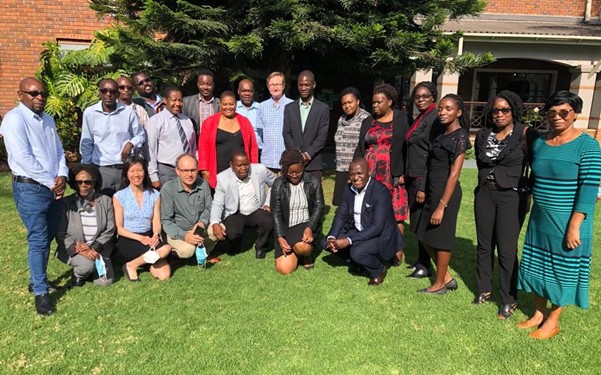
UWE Bristol academic Professor Peter Case has recently returned from Zimbabwe, where he helped run a series of workshops linked to a project funded by a Bill & Melinda Gates Foundation grant, “Optimising Stakeholder Operating Models for HIV Prevention in Zimbabwe” (OPTIMISE), that he co-leads.
The work is being delivered in collaboration with researchers from the University of California, San Francisco (UCSF) with whom Peter has been collaborating for over 10 years.
The project aims to assist the Ministry of Health and Child Care (MOHCC) to improve HIV prevention programme management and service delivery. The workshops took place between 4-8th April and marked a mid-stream opportunity to review progress to date and plan activities for the remainder of the project. Using participative action research as the main approach to leading change, the intervention seeks to integrate HIV prevention services (which are typically funded by a variety of external donors) and move them forward in a more effective and sustainable way in relation to MOHCC strategy.
The workshops involved reviewing progress with HIV health professionals representing five pilot districts in Matabeleland South, Matabeleland North and Manicaland provinces. The national director the MOHCC HIV Programme, Dr Murunguni, and his deputy were present to hear and comment on the progress updates, as were Provincial Medical Directors and other senior administrators.
There was also workshop representation from key INGO partners, such as, the Clinton Health Access Initiative and Population Services International, as well as the Bill & Melinda Gates Foundation and prospective future donors, including the U.S. President’s Emergency Plan for AIDS Relief and the Joint UN Programme on HIV/AIDS (UNAIDS).
District-level research groups highlighted key improvements to service delivery that had been achieved to date and discussed the results of ‘user research’ presented by the UCSF/UWE Bristol team. The events were a great success, with strong endorsements for the OPTIMISE project coming from the MOHCC and the prospect of future funding to expand the work stemming from the review exercise.
On the final day of events, 18 healthcare professionals associated with the OPTIMISE project and enrolled on FBL/UWE’s Post-Graduate Certificate in Professional Practice in Change Leadership (PPCL) had to opportunity to present and report on independent project work that they had completed as part of their degree. The module is being delivered in collaboration with a local HE provider, the Women’s University in Africa, and, as evidenced by the project presentations, is contributing significantly to the strengthening of leadership and management capabilities of Zimbabwe’s HIV Programme staff.
Thanks go to the UWE Bristol /WUA local tutors, Dr Greyling Viljoen and Dr Priscilla Mataure, for their help in delivering the PPCL presentation workshop. The team is also grateful to Katie Joyce, UWE Bristol PPCL module leader, for her support. As with the workshop outcomes, the presentations were very well received by senior MOHCC colleagues and the project donor.
Recent research undertaken by academics at UWE Bristol on student fears of oral presentations has been downloaded over 20k times since being published 11 months ago. The paper is currently the 2nd most read paper in the Journal of Further and Higher Education.
The objective of the research was to seek further insight into the concerns experienced by students who fear public speaking, including oral presentations. The team wanted to further determine if their fear affected their overall experience of higher education.
The results of the research identify the specific fears students have in public speaking and provides evidence of the overall negative effect on their higher education experience. The research provides further evidence that higher education institutions should acknowledge public speaking fear among some students and provide more support in oral presentation assessments.
Rob Grieve commented:
“I have been astounded by the impact this paper has had over such a short period of time. However, not surprised that this issue around student fear of public speaking has gained such traction, as the paper clearly outlines how this fear negatively impacts on the university experience.”
In this Academic Spotlight we asked Dr Issy Bray, Associate Professor in Public Health (Epidemiology) at UWE Bristol.
Tell us about your background and how you became interested in your research area?
My background is originally in statistics. A final year module in medical statistics was a light-bulb experience for me – I’d found what I wanted to do – so I went on to do a masters in medical statistics. That was nearly 30 years ago, and since then my work has become gradually more applied and I have moved into Public Health. One of the things that motivated me to do this was the first time I heard Sir Michael Marmot speak about social capital and inequalities. Although my early research was in cancer epidemiology, much of my work since then has focused on mental health and wellbeing. My interest in studying both cancer and mental health problems stems from the fact that they are common, they can affect anyone, and the risk factors are complex and difficult to untangle – in that sense they both represent a huge challenge to the science of epidemiology. Research into mental health is fascinating on so many levels, and I have had the opportunity to be involved in studies analysing risk factors for suicide and self-harm through to general wellbeing at the population level. One of the other things I find really interesting about mental health is the bi-directional relationship with physical health. Most recently my work has centred around the benefits of exposure to green and natural environments in terms of our mental health, particularly for young people and those living in urban environments. These issues were brought to the fore by the Covid pandemic and are not going away.
Tell us more about your research and research projects, are there any particular projects you want to highlight?
My research sits within the Centre for Public Health and Wellbeing, an inter-disciplinary research centre, but I also collaborate with other research centres at UWE. I have worked closely with psychology colleagues in the Centre for Appearance Research to study the relationships between body dissatisfaction, disordered eating, mental health outcomes (depression and anxiety) and other health-related behaviours (e.g. drinking and smoking) amongst adolescents. For me, the most important outcome of this collaboration was the realisation that health psychology and public health send out very different messages to the public about body size, which is counter-productive, and we worked together to call for a more unified approach to the dual problems of overweight/obesity and body dissatisfaction.
In 2020 I led a multi-disciplinary team to review the evidence on the potential benefits of exposure to green and natural environments in reducing anxiety and depression amongst young people living in urban areas. This was both challenging and exciting. Challenging because the topic is vast, time was limited, and as a multi-disciplinary team we all had different viewpoints. Exciting because the funder (The Wellcome Trust) clearly wanted something other than a standard systematic review of the literature, so we had free rein to take an unconventional approach. We combined evidence from many different disciplines and study designs but focused specifically on young people (as opposed to children or adults) to generate a conceptual model explaining the pathways linking exposure to green and natural environments with mental health outcomes for this age group.
Early analyses of Covid data highlighted important risk factors (e.g. age, ethnicity, co-morbidities, occupation) but considered each factor in isolation. So it was not possible to separate out the effects of deprivation and ethnicity, for example. This was a big problem, but it took some time for the data to become available for this level of analysis. In the mean time, Public Health England (as was) published rates of Covid mortality by Local Authority. This would allow a multivariate analysis of risk factors at a Local Authority level, so I set to work gathering data on age, ethnicity, pollution levels, over-crowding, obesity and deprivation for each Local Authority. This analysis, published in 2021 with Public Health colleagues, was the first evidence that was able to take deprivation and age into account when estimating the effects of pollution, or ethnicity, on Covid mortality rates.
Finally I am working closely with a PhD student and other colleagues using experiments to determine whether viewing green, blue and historic environments (on a flat screen television monitor or using virtual reality) can benefit mental health, which we are assessing through self-reported questionnaires and physiological measures in the psychology lab. A similar experiment with colleagues in ecology has examined different soundscapes (traffic versus birdsong) to estimate the effects of different levels of biodiversity on our mental wellbeing. The aim is not to replace real-life exposure with virtual reality, but to use it as a tool for researching the benefits of different environments on human health, and to bring those benefits to people who are not able to access them.
To connect with Dr Issy Bray, contact her through her LinkedIn profile.
The Neurodivergence in Criminal Justice Network (NICJN) is a research and knowledge exchange group, created and jointly co-ordinated by Dr Tom Smith (Associate Professor in Law). Founded in 2021, the NICJN is primarily focused on promoting an evidence-led approach to the challenges faced by neurodivergent individuals in criminal justice systems. Tom is supported by Joint Co-ordinator Dr Nicole Renehan (Durham University); an Advisory Group, consisting of network members; and a Lived Experience Group (consisting of members with direct experience of neurodivergence and criminal justice).
‘Neurodivergent’ commonly describes cognitive and neurological development which is different or atypical. This relates primarily to communication, learning, attention, sensory processing, and mood regulation. Forms of neurodivergence include Autism, Attention Deficit and Hyperactivity Disorder (ADHD), and dyslexia, among numerous others in this expanding category. Individuals drawn into the criminal justice system (CJS) – as suspects, defendants, victims or witnesses – generally face significant challenges due to the stressful, complex and specialised nature of criminal proceedings. The environment and routines of criminal justice settings – including police stations, courts and prisons – can be isolating, confusing and traumatic. These challenges are acute for vulnerable persons generally, including those with physical and mental health issues (see, for example, the conclusions of the Equality and Human Rights Commission in 2020).
However, engagement with criminal proceedings and the institutions and figures involved (such as lawyers and police officers) can be particularly challenging for neurodivergent individuals, due to the nature of neurodivergence and the manner in which criminal justice generally operates (for example, the emphasis placed on personal interaction). Evidence suggests that not only is neurodivergence prevalent within criminal justice (a recent estimate suggests half of prisoners are neurodivergent), but that significant barriers to a positive and effective experience remain at all stages.
Since 2020, there has been a significant increase in interest and attention paid to these issues. As part of this, the NICJN brings together key voices in the area, including researchers (from varied disciplines including forensic science, psychology, and law); clinical and legal practice; and community members who are neurodivergent (or have a personal connection to neurodivergent individuals) and have been involved in criminal proceedings, and are therefore experts by experience. There are currently more than 150 members of the network from across the UK and internationally.
A key aspect of the NICJN is facilitating communication between different but related communities by providing a platform for sharing their work, interests, activities and voice. It aims to act as a ‘switchboard’, connecting interested people to a single ‘hub’ for knowledge and expertise. For example, the NICJN resource collection is a ‘one stop shop’ for literature, information, and specialist knowledge on this area, with the goal that the collection will enable anyone to easily locate useful information and specialist insight on neurodivergence and criminal justice.
In the long-term, the NICJN aims to be part of a drive to embed research evidence into everyday criminal justice practice; to raise awareness and understanding of the issues in this area; to promote reform by pursuing positive changes through exchange within and beyond the network; and advance knowledge through collaborative publication, presentation, evidence-gathering and funded research.
Since its creation the network has been active in a variety of ways. The network was launched in July 2021, with a themed conference focusing on Autism in Criminal Justice. It included presentations by a range of experts on autism and policing, courts, and prisons; and the accounts of individuals with lived experience. The network sends out regular updates to members on developments in the field, including new publications; events; funding opportunities; and calls for participants in research studies. The network recently contributed to a lecture for criminal barristers on neurodivergence in criminal proceedings. The network is currently involved in the early stages of two projects – one working with a Government-sponsored criminal justice agency in developing its neurodivergence strategy; and the other working with a criminal justice NGO looking to develop a better approach to screening for neurodivergence in the criminal justice system.
The last few years have been exciting for the network – it has grown quickly, and forms part of a broad chorus of voices calling for a new approach to criminal justice in this context – to which institutions are responding. As a research and knowledge-exchange group focused on impact in the real world, this represents a ‘golden moment’ to genuinely re-shape public policy and professional practice for good, with the potential for a major positive impact on the health and wellbeing of neurodivergent people.
In this Academic Spotlight we asked Dr Emmanuel Adukwu, Deputy Head of Department for Applied Sciences, a few questions about the research he is involved with at UWE Bristol.
Tell us about your background and how you became interested in your research area?
I graduated with a degree in Biomedical Sciences at Coventry University. During my final year, I chose a project which started my interest in the role nature plays in modulating and promoting health. This subsequently led to my postgraduate study at Manchester Metropolitan University working with Professor Valerie Edwards-Jones (emeritus) where I carried out an industry-funded masters by research (MRes) investigating the role of essential oils as antimicrobial agents and a research assistantship project working on a human volunteer trial to develop a novel topical antimicrobial agent.
After my MRes, I moved into industry working with ICON Plc, the world’s leader in clinical research. I worked as a clinical trials coordinator, setting up and running several high-profile large-scale studies for the major global biopharma organisations. I decided to pursue a PhD at the University of Northampton funded by Northamptonshire NHS Trust working with Professor Carol Phillips. My PhD project was informed by the experiences I had during my BSc (final year project) and MRes degrees considering I had several offers and needed to make a firm decision.. My project investigated community acquired infections which was a significant health conundrum at the time and continues to contribute to the infection burden in health settings globally.
Tell us more about your research and research projects, are there any particular projects you want to highlight?
My research explores the role that natural compounds can play in preventing or controlling infections caused by pathogenic bacteria and fungi. In my group, we have carried out investigations into the potential of plant-based compounds in reducing significant healthcare pathogens such as Staphylococcus aureus (associated with many infections in humans), Acinetobacter baumannii which is considered by the CDC as a serious public health threat as it is known to be resistant to multiple antibiotics and is an organism linked with major amputations.
Recently we have focused a lot of work on a newly discovered fungus called Candida auris. This is a particularly interesting organism as it is also known to be resistant to current antifungal treatments, spreads easily in hospital settings and can cause serious infections. According to the CDC, 1 in 3 patients who are affected with invasive Candida auris infection die. We have shown that using plant-based compounds, we can limit the growth and spread of this emerging threat and hope to develop innovative strategies that can be utilised in healthcare settings.
Some ongoing projects worth mentioning include two PhD research projects with my students Obiageli Okolie and Uzoma Igwe who are carrying out research focused on preventing the spread of antimicrobial resistance, preventing and controlling infections at national level with a focus on the healthcare system in Nigeria. These two projects have involved leading KOLs and health experts across the country and would go a long way in informing policy.
If you are a fan of or connoisseur of teas, keep an eye out on our recently commenced project funded via the partnership PhD scheme between Pukka Herbs and UWE bristol where we aim to explore some of the benefits of some herbal tea blends on human health and wellbeing.
Give us a brief description of how your academic expertise could be practically applied for a business partner or for external collaboration?
In terms of research, my work would interest organisations and potential collaborators interested in developing antimicrobials products or therapies (antibacterial, antifungals, disinfectants etc) to reduce infections in humans and animals. We have previously carried out work investigating survival of clinical pathogens on medical devices in particular swab transport systems. The knowledge and expertise developed this these projects can be of benefit to companies interested in developing special media for these important transport systems for healthcare and other relevant settings e.g. food, animal etc.
In addition, I have extensive expertise developing initiatives and solutions to address/embed inclusivity within teams and organisations. With many forward-looking organisations, inclusivity and diversity is key to growth and I am happy to collaborate or engage with organisations looking at meaningful organisational change in this area.
You can get in touch with Dr Emmanuel Adukwu through his LinkedIn profile
Written by Linda Pengelly (MSc Student for Environmental Management)
In the early to mid-1900s, the hangover from Britain’s Industrial Revolution of the previous two centuries (when emissions of sulphur dioxide (SO2) were at their peak) was still raging (Ritchie, 2017a). Between 1900-1920, Bronchitis attributed to atmospheric coal smoke was the second-leading cause of death in England and Wales (Widdicombe, 2020). Cold winters and gung-ho coal combustion combined to form the deadly spectre that is ‘Smog’ (a portmanteau of smoke and fog) and earned London the dubious nickname of the ‘Big Smoke’, even inspiring Monet to paint the city between 1899-1903 (Fuller, 2019). With everything happening in the world right now (the pandemic, the cost-of-living crisis, the looming threat of war…) it’s easy to overlook the (invisible) elephant in the room: air pollution. No-one wants to think about the ultrafine particles (PM2.5 to use the technical term) having a party in their lungs when they’re walking down the street or curling up in front of the fire. But should we be concerned? Well, yes, actually. The biggest contributors to air pollution may have changed over the years, but the bottom line is this: respiratory diseases have consistently remained one of the top 5 causes of death in the UK in our lifetime (ONS, 2017; Ritchie and Roser, 2019).
The Houses of Parliament (Effect of Fog) by C Monet (Monet, 1903-4)
A series of London Smog incidents followed, most notably the ‘Great Smog’ between 5-9th December 1952, which Bell and Davis (2001) estimate led to the deaths of 12,000 people. The younger generations of the Great British public were given a lesson in history when Queen Elizabeth II was portrayed stubbornly navigating the Great Smog on foot to visit her grandmother in an episode of The Crown (2016), but it begs the question: are we destined to repeat it?
Not necessarily. Granted, today’s developing cities appear to be following in the UK’s footsteps by way of initial ‘dirty’ industrialisation, as shown in Delhi:
Source: Ritchie (2017b)
There is hope, however. To avoid repeating the mistakes of the past, Ritchie (2017a) maintains that as India and other developing countries increase their GDP per capita, they must aim to keep air pollution below London’s 19th century levels by developing in a ‘cleaner way’ than we did; i.e., by adopting renewable energy early. The Clean Air Act of 1956 partly tackled the issue of air pollution in the UK through the introduction of smoke control areas, but as Fuller (2019) argues, the most effective change came from the adoption of alternative fuels and heating systems.
An ‘An awareness that the burden from energy consumption on the wider society has been very high in the past and can get much worse may help concentrate minds a little more towards finding solutions, and not simply accepting that climate change is the price to pay for economic growth and development’
(Fouquet, 2011)
The 1950s-1970s saw high growth in car ownership, accompanied by an increase in emissions of nitrogen oxides (NOx) and PM2.5 (Newman and Kenworthy, 2011). Although car ownership has continued to rise, NOx and PM2.5 levels have decreased since the 1970s due to a combination of technological advances and further political progress.
Dieselgate protest in Berlin (BUND Bundesverband, 2017)
There have been a few bumps in the road, however. In 2015, the ‘Dieselgate’ scandal broke, in which Volkswagen and other car manufacturers were revealed to have programmed on-board computers to cheat emissions tests (Fuller, 2019). Following this, sales of diesel cars in the UK nosedived, yet, frustratingly, sales of new electric/hybrid cars remain low (Ritchie and Roser, 2021), mainly due to their high initial costs and lack of charging infrastructure (ONS, 2021):
Source: Ritchie and Roser (2021)
Looking at the overall picture of air quality in the UK, data shows that there has been a steady decline in emissions of most air pollutants since the 1970s, but ammonia (NH3) levels persist (Ritchie and Roser, 2022):
Source: Ritchie and Roser (2022)
The culprit? Agriculture. According to Defra (2020; 2018), approximately 88% of ammonia emissions in the UK can be attributed to agriculture, and with 71% of UK land classed as agricultural, the scale of the issue is clear. Defra’s 2018 Code of Good Agricultural Practice (COGAP) for reducing ammonia emissions attempted to address this but given that observance of the Code is voluntary rather than mandated, its potential effectiveness is questionable.
But what about closer to home? According to Carrington (2021), the oh-so-hygge solid fuel burners in 8% of UK lounges account for, shockingly, 38% of PM2.5 emissions (26% more than road traffic, to put it into perspective). Although there are already smoke control areas in the UK, and the implementation of the 2019 Clean Air Strategy will ‘outlaw the sale of the most polluting fuels’ and ‘ensure that only the cleanest stoves are available for sale by 2022’ (Defra, 2019, p.59-60), the post-pandemic surge in energy prices and overall cost of living will likely mean that many homes continue to light up. Compounding this problem is the long lifespan of solid fuel burners, meaning few people will ever buy a new, ‘cleaner’ one (Fuller 2019).
Source: Phelps (2019)
The top sources of air pollution may have changed over time, but the common denominator is human activity. Will we look back on the past with fog-tinted glasses, and allow history to repeat itself, or will we learn from our mistakes? It is down to every one of us to play a role in fighting the threat of air pollution, but crucially, the UK government must empower us to do so. We may hold the matches, but technological innovation and strong policies are the (seasoned) kindling we need to light the fire in our bellies.
(Adapted from Love Clean Air, 2014)
References
Bell, M.L. & Davis, D.L. (2001) Reassessment of the Lethal London Fog of 1952: Novel Indicators of Acute and Chronic Consequences of Acute Exposure to Air Pollution. Environmental Health Perspectives [online]. 109 (3), pp. 389-394. [Accessed 30 March 2022].
BUND Bundesverband (2017) Protest vor dem Dieselgate-Untersuchungsausschuss in Berlin [photograph]. In: Flickr [online]. Available from: https://www.flickr.com/photos/110742978@N08/33323423825 [Accessed 30 March 2022].
Carrington, D. (2021) Wood burning at home now biggest cause of UK particle pollution. The Guardian [online]. 16 February. Available from: https://www.theguardian.com/environment/2021/feb/16/home-wood-burning-biggest-cause-particle-pollution-fires [Accessed 30 March 2022].
Department for Environment, Food and Rural Affairs (2020) Agriculture in the United Kingdom 2020 [online]. London: Defra. Available from: https://assets.publishing.service.gov.uk/government/uploads/system/uploads/attachment_data/file/1056618/AUK2020_22feb22.pdf [Accessed 30 March 2022].
Department for Environment, Food and Rural Affairs (2019) Clean Air Strategy 2019 [online]. London: Defra. Available from: https://assets.publishing.service.gov.uk/government/uploads/system/uploads/attachment_data/file/770715/clean-air-strategy-2019.pdf [Accessed 30 March 2022].
Department for Environment, Food and Rural Affairs (2018) Code of Good Agricultural Practice (COGAP) for Reducing Ammonia Emissions [online]. London: Defra. Available from: https://assets.publishing.service.gov.uk/government/uploads/system/uploads/attachment_data/file/729646/code-good-agricultural-practice-ammonia.pdf [Accessed 30 March 2022].
Farrow, A. (2018) London Smog, 1952 [photograph]. In: Flickr [online]. Available from: https://www.flickr.com/photos/116071498@N08/32506838248 [Accessed 30 March 2022].
Fouquet, R. (2011) Long run trends in energy-related external costs. Ecological Economics [online] 70 (12), pp. 2380-2389. [Accessed 30 March 2022].
Fuller, G. (2018) The invisible killer: the rising global threat of air pollution – and how we can fight back. London: Melville House.
Love Clean Air (2014) History of Air Quality. Available from: https://lovecleanair.org/about-air-quality/history-of-air-quality/#.YkS6pSjMK5d [Accessed 30 March 2022].
Monet, C. (c. 1903-4) The Houses of Parliament (Effect of Fog) [oil on canvas]. At: New York: The Met [online]. Available from: https://www.metmuseum.org/art/collection/search/110001576 [Accessed 30 March 2022].
Office for National Statistics (2021) Over half of younger drivers likely to switch to electric in next decade. Available from: https://www.ons.gov.uk/economy/environmentalaccounts/articles/overhalfofyoungerdriverslikelytoswitchtoelectricinnextdecade/2021-10-25 [Accessed 30 March 2022].
Office for National Statistics (2017) Causes of death over 100 years. Available from: https://www.ons.gov.uk/peoplepopulationandcommunity/birthsdeathsandmarriages/deaths/articles/causesofdeathover100years/2017-09-18 [Accessed 30 March 2022].
Newman, P., and Kenworthy, J. (2011). Peak Car Use: Understanding the Demise of Automobile Dependence. World Transport, Policy & Practice [online]. 17 (2), pp. 1-42. [Accessed 30 March 2022].
Phelps, S. (2019) Opinion: Wood burning stoves are deadly, not trendy. The Bristol Cable [online]. 1 February. Available from: https://thebristolcable.org/2019/02/opinion-wood-burning-stoves-are-deadly-not-trendy/ [Accessed 30 March 2022].
Ritchie, H. (2017a) What the history of London’s air pollution can tell us about the future of today’s growing megacities. Available from: https://ourworldindata.org/london-air-pollution [Accessed 30 March 2022].
Ritchie, H. (2017b) Air Pollution, London vs. Delhi, 1700 to 2016. Available from: https://ourworldindata.org/grapher/air-pollution-london-vs-delhi [Accessed 30 March 2022].
Ritchie, H., and Roser, M. (2022) Emissions of air pollutants, United Kingdom, 1970 to 2016. Available from: https://ourworldindata.org/grapher/emissions-of-air-pollutants?time=1970..2016&country=~GBR [Accessed 30 March 2022].
Ritchie, H., and Roser, M. (2021) New passenger vehicles by type, United Kingdom. Available from: https://ourworldindata.org/transport [Accessed 30 March 2022].
Ritchie, H., and Roser, M. (2019) Number of deaths by cause, United Kingdom, 2019. Available from: https://ourworldindata.org/grapher/annual-number-of-deaths-by-cause?country=~GBR [Accessed 30 March 2022].
The Crown (2016) Series 1, Episode 4, Act of God [online]. Netflix, 4 November. Available from: http://www.netflix.com/gb [Accessed 30 March 2022].
Widdicombe, J.H. (2020) A Brief History of Bronchitis in England and Wales. Chronic Obstructive Pulmonary Diseases [online]. 7 (4), pp. 303-314. [Accessed 30 March 2022].
UWE Bristol has recently announced another application round of its successful Partnership PhD programme.
A Partnership PhD bridges the gap between external organisations and university. It enables an organisation to gain access to cutting-edge real-world research that can help transform it.
The Partnership establishes a relationship between an organisation and UWE Bristol, based on a specific project that is mutually beneficial.
Organisations have the opportunity to choose a relevant research area and gain access to cutting-edge research. The researcher will work extensively with the organisation to provide a tailored piece of research.
In turn, the researcher will gain an opportunity to pursue their research in a real-world setting, developing transferable and interdisciplinary skills whilst gaining cross-sector experience.
Over the past two years, the Graduate School, part of the Research, Business and Innovation team at UWE Bristol, has been developing the Partnership PhD scheme. Through it, UWE’s investment in Post Graduate Research has been matched by over £1.5m from 40+ partner organisations.