World Water Day 2022: Highlighting UWE Bristol Water Research

Posted on

To celebrate World Water Day 2022, we are sharing some of the amazing work from our academics working to achieve clean water for all.

Producing biological safe water using decentralised technologies

Associated staff, researchers and companies:

Globally, almost two billion people do not have access to safely managed drinking water services from improved sources. This means they must rely on water services that are either not on their premises, and so must travel to collect water, or rely on stored waters. Improved water sources include piped water, protected wells, delivered water (i.e. bottled water) and rainwater, and in order for drinking water to be safely managed, it needs to be free from faecal and priority chemical contaminants. Globally, 60% of people live in urban areas and 85% of urban populations have access to safely managed water services. Whilst in rural areas (40% of the global population) only 60% of the population have access to safely managed water services, and so rely on alternative sources of drinking water.

To many, rainwater is viewed as a safer alternative to surface waters, such as river and lakes or well water as it looks clearer due to less organic matter (sediment) suspended. However, the quality of stored rainwater is affected by factors including the material and cleanliness of the rainwater collection area, local air quality and the cleanliness of the actual storage container. In urban environments rainwater can contain pollutants from traffic, construction and households, whist in rural areas rainwater could contain agricultural fertilisers or faecal matter from mismanaged waste. A typical option to provide biologically safe water from stored rainwater, is through the use of chlorine tablets that can quickly disinfect the water, but this can leave an unpleasant taste and odour.

At UWE Bristol, we have been working on several projects to improve the quality of stored rainwater, without using chlorine disinfection tablets. Centrego Ltd, a small Frome-based company that specialises in Electrochemical Activation [ECA] technologies, has developed a simple prototype in-situ ECA system that can be powered from photovoltaics. The prototype ECA technology works by electrolysing ions (salts) that occur naturally in freshwaters, by passing an electric current between positive and negative electrodes. This results in the formation of oxidative and reductive species that can kill bacteria that is present in stored water containers, such as rainwater harvesting. The prototype ECA systems can produce 20L of biologically safe water from rainwater in as little as 30 minutes. Several of the prototype ECA systems have been sent out to a Healthcare Facility and Research Centre in Mahatsinjo, Madagascar to not only produce safe water for the community but to also allow local subsistence farmers to wash fresh produce and reduce spoilage. Several units have also been sent out to schools located in the Telengana region of India for the provision of safe drinking water. The deployment and testing of the prototype ECA systems have been facilitated by local charitable organisations: Sadabe (Madagascar) and Bala Vikasa (India).
UWE Bristol Academic named one of The Planner’s Women of Influence 2022

Posted on

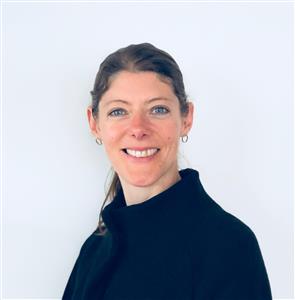
Associate Professor, Hannah Hickman has recently been announced as one of The Planner’s Women of Influence 2022. The Planner is the official magazine of the Royal Town Planning Institute.

Every year for International Women’s Day, The Planner publishes a list of planning’s Women of Influence, as nominated by the readers of The Planner and assessed by a panel of judges that includes distinguished planners from across the UK.

One of the nominations stated:

“Hannah led the design quality study that won the RTPI’s Sir Peter Hall Award for Research Excellence this year. This explored the under-researched and poorly-understood area of post-consent. In particular it evidenced a worrying decline in design quality occurring at this point, identified some of the causes and considered what local authorities might do to address this decline. This is just the latest in her leading applied research work which exemplifies why she is the go-to researcher who delivers strong evidence and innovation in practice. In addition, Hannah is dedicated to supporting and teaching the next generation of planning professionals.”

Hannah is the only Academic to have been announced as a woman of influence this year.

Hannah commented: “I’m hugely honoured (if not a little surprised!) to be named “The Planner’s “Women of Influence 2022: Academia” and “a go-to researcher!” It’s great to be part of such a fantastic list, which shows how women are leading the way in the planning profession”. 

The Planner had previously interviewed Hannah about her award-winning research in February.

Congratulations to Hannah for this achievement. View Hannah’s academic spotlight here.

Research Centre Spotlight: The Science Communication Unit (SCU): Embedding communication and engagement in all research.

Posted on

Never before has the important role of science communication been so widely recognised. The COVID-19 pandemic drew attention not only to the importance of communicating scientific and health based information to millions, but also the ways that new digital and social media enable the circulation of misinformation. The pandemic has also highlighted the role that the public can play in shaping and contributing to new and emerging areas of research. In many ways, society has been engaged in a two year science communication ‘experiment’ and this has offered opportunities to consider the role that science communication and engagement can play in other ‘wicked problems’ such as the climate crisis and wider issues of health and wellbeing. These are also all problems which have long-term and distressing impacts on communities and in which researchers can play an important role.

The Science Communication Unit (SCU) has been working on such challenging topics at UWE Bristol since the late 1990’s, building an international reputation for its diverse and innovative activities, designed to engage the public with science, as well as research informed teaching offered to science communicators via its Masters programme, continuing professional development (CPD) training and undergraduate science communication modules. The SCU is led by Dr Clare Wilkinson and Professor Emma Weitkamp, and its work covers themes over five key areas:

Science, Technology and Engineering

Science, Technology and Engineering has always been at the heart of the work of the SCU, which is based in both the Faculty of Health and Applied Sciences and the Faculty of Environment and Technology. Projects in this area have covered topics as diverse as robotics, artificial intelligence and astronomy. A key project that the Science Communication Unit team are currently involved with is Digital Engineering Technology and Innovation (DETI). Via DETI Inspire the team (Dr Laura Fogg Rogers, Sophie Laggan, Ana Bristow, Josh Warren, Dr Louisa Cockbill and Dr Laura Hobbs) have directly engaged 6,832 children and 216 teachers from 73 schools and community groups in the West of England, with an estimated 97,550 children reached altogether through dissemination efforts over the last two years.

WeCount is a two year project working directly with citizens in five countries across Europe. The SCU is leading the Monitoring and Evaluation Work Package on behalf of the project.

Health and Wellbeing

Health and Wellbeing is another important theme in the work of the SCU, whose research spans the life course and addresses a variety of communities. Popular computer games which allow children to visualise and explore concepts are being used by Dr Laura Hobbs in the Exploring the molecular basis of diabetes with Minecraft project funded by the Royal Society of Chemistry, to help children and young people to understand complex conditions like diabetes. Whilst work carried out by Dr Laura Hobbs and Dr Elena Milani, in collaboration with the Centre for Health and Clinical Research (CHRC), during the pandemic to maximise COVID-19 vaccine update also resulted in a nomination for an HSJ NHS Race Equality Award.

Diabetes with Minecraft project

Sustainability and the Environment

Sustainability and the Environment is also an area where a great deal of collaborative work takes place with other research centres at UWE, including a long-term partnership with the  Air Quality Management Resource Centre (AQMRC) on projects such as ClairCity (Dr Laura Fogg Rogers, Dr Margarida Sardo) and WeCount (Dr Margarida Sardo, Sophie Laggan, Dr Laura Fogg Rogers). The longest running project in the SCU however, is the Science for Environment Policy (SfEP) project. Running science 2007, a team of writers (Nicky Shale, Caroline Weaver and David Jay) and editors (Ruth Larbey, Carla Smith) based in the SCU are responsible for fortnightly News Alerts, as well as a range of more in-depth reports that regularly reach well over 20,000 subscribers.

ClairCity Project

Social Science and Art

Social Science and Art are also topics embedded in the work of the SCU, and many of our research projects share and involve research that is far broader than a consideration of the sciences alone. In examining contemporary science communication issues we often rely on methods utilised in the social sciences, and a recent EU-funded project, RETHINK, has involved a team of staff (Andy Ridgway, Dr Elena Milani, Dr Clare Wilkinson and Professor Emma Weitkamp) in the SCU examining the science communication ecosystem throughout Europe, as well as understanding more about how the science communication community is shaped in terms of approaches, aims and training.

The RETHINK project

Informal and Formal Learning

Informal and Formal Learning is the fifth and final strand of our work. Much science communication takes place in informal settings such as the home, parks and museums, but also in formal contexts like schools and universities, as well as the spaces between. A recently completed Partnership PhD project considered one such setting, a new exhibition being developed at the Eden Project called Invisible Worlds. Through work with visitors and staff this postgraduate research study conducted by Dr David Judge was able to explore the role science communication can play in addressing some of the contemporary world’s most challenging and intractable problems, exploring this through the lens of transformative learning.

Beyond the research and practice based projects the SCU is involved in, we also engage with a comprehensive programme of CPD, including our annual Science Communication Masterclass which attracts delegates from around the globe and has trained people from a wide range of organisations including Thermo Fisher Scientific, the ESRC, Rutherford Appleton Laboratory, Unilever, Astrazeneca, the British Embassy, and the Met Office. The Masterclass has built on the success of our MSc Science Communication programme, which has achieved a 100% PTES result for the last two years running, and in 2021 attracted 53 new students to start the programme over two intakes. All of our teaching and CPD programmes are also open to UWE staff and students and we’ve seen many delegates undertake our masterclass, online science communication modules and full MSc programme whilst engaged in other roles and projects at UWE. Our graduates now work around the globe, including for organisations such as NASA, for a variety of research councils and organisations, and in science centres and museums.

To find out more about the work of undertaken by the Science Communication Unit Team follow the links below:

International Women’s Day 2022: Break the Bias

Posted on

This year the International Women’s Day (IWD) theme is #BreakTheBias.

“Imagine a gender equal world. A world free of bias, stereotypes and discrimination. A world that’s diverse, equitable, and inclusive. A world where difference is valued and celebrated. Together we can forge women’s equality. Collectively we can all #BreakTheBias.”

International Women’s Day theme 2022

To celebrate IWD, we spoke to some of our amazing researchers who are helping to Break the Bias:

The Digital Engineering Technology and Innovation (DETI) programme is investing in the future of digital engineering for our region. Dr Laura Fogg-Rogers, Associate Professor Engineering in Society, and DETI Inspire lead talks about how the project is helping to break the bias below:

“DETI Inspire has been an incredible programme of activity, aimed at breaking stereotypes and celebrating diverse engineers making a difference in our region. So far we have directly engaged with over 6800 children, and many more digitally, which just highlights the appetite for children to see inspirational role models.

We do this through a variety of activities – from a mentoring programme to support women in engineering, to a network of diverse STEM Ambassadors and role models for outreach activities, and delivery of our five curriculum-linked sustainability focussed outreach programmes for schools. We aim to bust the bias to show that all sorts of people can become engineers and make a difference in our community!”

Digital Engineering Technology & Innovation (DETI) initiative – Women Like Me mentoring project

Associate Professor of Social Psychology Helen Malson has talked below about how her research on eating disorders has helped to Break the Bias.

Helen works with Bristol Health Partners and recently collaborated with Expert Self Care on an Eating Disorder Support app:

As a critical feminist psychologist, my research on eating disorders has explored the damage done by mainstream cultural norms and values, including heteropatriarchal gender stereotypes, in mobilising eating disordered experiences and practices, particularly in girls and women.

Equally importantly, it’s also about challenging derogatory and sexist  stereotypes of girls and young women with eating disorders and its about countering the idea that its only white, middle class young women who experience eating disorders.

As I have argued in an article on the importance of feminist approaches to eating disorders that I recently co-authored with colleagues in New Zealand, North America and the UK,  its vital that we challenge heteronormativity and white privilege to make eating disorders research and support services inclusive of people of all genders, ethnicities and sexualities.

As a co-director of the Eating Disorders Health Integration Team, working with experts by experience as well as with clinicians and with other academics, we have sought to amplify the voices of those with lived experience and to take a more inclusive anti-racist, feminist and LGBTQ+ approach in our research, service development and public engagement.

Eating Disorder Support App

Senior Lecturer in Human Resource Management Dr Vanda Papafilippou has previously written this blog on exploring networks as a source of career development and identity for female engineers. In the blog, she identifies that Women comprise just 12% of the UK engineering workforce (EngineeringUK, 2018), and despite the efforts of both the state and the industry, it remains one of the most male-dominated occupations.

Women appear to be at a disadvantage in terms of visibility, the ability to form alliances and gaining critical organisational knowledge that can lead to career progression. Her research project aimed to establish the contribution of formal internal and external women’s networks to gender equality in engineering and understand the role of human resources practitioners in their operation, and in turn Break the Bias around female engineers. Vanda discusses the findings of the project:

The main contribution of internal women’s networks was the invaluable social and psychological support that they provided to the women involved. These networks contributed towards a sense of solidarity and empowerment of the women. Other important benefits of the participation in internal networks included: the development of skills through mentoring and tailored training but also help with career progression.

External women’s networks on the other hand, helped women to (re)build their confidence and (re)establish their sense of belonging to the profession. This was especially so for those returning from maternity leave where women felt overwhelmed. External networks seemed also to play an important role in individual career progression as they helped women to enhance crucial skills, such as networking and public speaking.

By sharing experiences and working together, the women started challenging the dominant gendered discourses and practices. Instead of adapting in order to fit in, they chose to reframe what an ‘engineer’, and especially a female engineer and a leader in engineering, can be.

Read the full blog post here.

Female engineers

This is a tiny selection of our researchers that are helping to Break the Bias. To find out more about our research please visit our website.

Detecting defects to improve the sustainability of composite manufacture

Posted on

Adapted from this post on the Engineering Our Future Blog. Written by Louisa Cockbill.

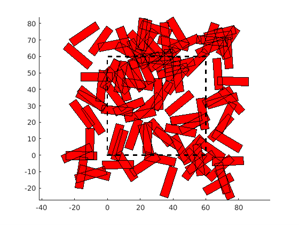
Gary Atkinson, Associate Professor in Engineering at UWE Bristol and part of Lyndon Smith’s team in the Centre for Machine Vision, is developing the “Polarisation Vision for Composite Part Inspection” – a system to automatically detect defects in raw and processed composite materials and so reduce waste and huge expenses for composite industries.

The project, funded by Digital Engineering Technology Innovation (DETI), has potential to impact on industrial sustainability, where testing and subsequent discarding of materials is a big issue.

The Weakest Link

Composite material strength lies in the uniform pattern of either unidirectional or interwoven carbon fibres lying undisturbed in resin. But any composite component is only as strong as its weakest link, and weaknesses caused by fibre misalignment or gaps is a common problem in composite manufacture.

The dark, shiny nature of composite materials makes defects tricky to spot using visualisation techniques based on traditional camera technology. The current industry standard is to perform time consuming and eye straining manual inspections to ensure the safety of components, particularly those destined for applications in the aerospace industry.

Gary is utilising a different type of visualisation technique to identify the problem areas by using a specialised camera. The camera detects when light becomes linearly polarised – with its electric field confined to a single plane – on reflection from a surface. Instead of blocking glare from reflected light like polarised sunglasses, the camera detects the reflected polarised light and, with specially developed software, produces a “photo” of composite fibres – with each orientation of fibre shown in a different colour.

Polarised Vision setup imaging a composite sheet

The images produced by the software highlight tiny, localised defects, but individual fibre orientation can also be computed to give an overall report on a material’s quality. 

“There’s no way you’d consistently detect localised defects like that using standard manual inspection or traditional methods from machine vision,” said Gary, explaining how his instrumentation could provide rapid and detailed defect detection for composite manufacture.

In recent months, Gary and his team have painstakingly explored what type of defects his “Polarisation Vision” can detect. They’ve taken a huge range of lab-based scenarios, as well as composites in realistic factory conditions, and developed the detection algorithms to automatically find component flaws using the polarised images.

Now they’re ready to start real-world trials, collaborating with Airbus to feed more and more data into the machine learning algorithm, training it further in defect auto-detection.

View the full blog post here.

Academic Spotlight: Dr Lisa Mol

Posted on

Dr Lisa Mol is a Senior Lecturer in Physical Geography and is part of the Centre for Water, Resilience and Communities.

Lisa is a geomorphologist, specialising in the deterioration of stone, which has enabled her to work in environments as diverse as southern Africa, the Middle East and the Arctic. She currently leads the Heritage in the Crossfire initiative, which investigates the effect of ballistics (e.g. bullets and explosives) on heritage stonework. Sadly, heritage has been, and continues to be, destroyed during armed conflict.

Therefore Lisa’s work focusses on first aid and triage for heritage: What happens to the stone structure when a bullet impacts? How does this impact vary between stone types? Does the previous deterioration of a surface (e.g. weathering) play a role in its response to an impact?

Ballistic impacts, such as bullets, can leave scars that not only aesthetically affect the heritage site but could be the surface manifestation of a much larger fracture network within the stone work which can threaten long-term conversation of the heritage site. She therefore coordinates a number of projects that investigate ballistic damage across heritage sites, using arena trials (highly-controlled testing on ordinance explosion ranges) and high-resolution laboratory methods to quantify the effects of ballistics.

This knowledge is then used to document and assess damage in current conflict zones, using remote training and technical support to aid colleagues on site. Most recently, this methodology was successfully applied on the Roman Theatre in Sabratha (Libya), and this work will continue in the Jebel Nafusa (Tunisia / Libya) in the coming years. The Heritage in the Crossfire project is supported by the Leverhulme Trust, the Royal Society, the Gerda Henkel Stiftung, ALIPH and the Kaplan Foundation.

Her work has had direct impact on this discourse through the training of heritage professionals in affected countries (Training in Action) as well as international CPP Army Divisions, and most recently in its inclusion in NATO briefings (Naples, October 2019). Her research attained further international exposure in articles published in Scientific American, Forbes, Smithsonian Magazine and ABC News. While the centre of her work has always been scientific discovery of the highest standard, she is passionate about knowledge exchange, ensuring that her research (and any carried out under her supervision) directly aids those most in need of the expertise and technology it develops.

Documenting and assessing conflict damage to heritage, and providing expertise knowledge to pinpoint areas at risk, not only benefits conservation practitioners but also contributes to damage prevention and front-line personnel training.

Through close collaboration between the Dr Mol and the UK Blue Shield (an international, voluntary organisation created and mandated under international law in 1996 to protect cultural heritage during conflict), the scientific findings have been translated a training programme for army personnel. Delegates from armies of the U.K., the U.S.A, Australia, The Netherlands, Italy and France have taken part in this training.

Dr Mol also regularly works with museums to discuss safeguarding of heritage in conflict, including the Victoria and Albert Museum and the Smithsonian Institutions.

Connect with Lisa on LinkedIn.

UWE Bristol academic wins grant to conduct research on “Predicting Forming and Failure of Carbon Fiber Reinforced Thermoplastics Sheet Molding Compound”

Posted on

UWE Bristol academic Dr Xiaodong Xu has had a successful grant application from the Royal Society to conduct research on “Predicting Forming and Failure of Carbon Fiber Reinforced Thermoplastics Sheet Molding Compound”. His successful grant is part of 5 successful bids between the UK and Japan in the Royal Society International Exchanges 2021 Cost Share (JSPS) scheme.

The project will run from March 2022 till March 2024. This project will foster a new collaboration with the prestigious University of Tokyo. Within the 2 years, Dr Xiaodong Xu will visit Professor Jun Takahashi, The University of Tokyo at his lab to conduct experiments and discuss modelling progress. Professor Jun Takahashi’s team will visit the UK during the 20th European Conference on Composite Materials (ECCM20) and the 23rd International Conference on Composite Materials (ICCM23).

There has been exponential growth in composite materials used in the automotive and aerospace sectors. The need for recycling of composites has also become urgent in order to achieve a sustainable society. Carbon Fibre Reinforced Thermoplastics Sheet Molding Compounds (CFRTP-SMC) have both excellent properties and can be recycled. Hence, they have great potential in the automotive industry.

As part of the project, Dr Xiaodong Xu aims to extend the fundamental understanding of CFRTP-SMC materials in collaboration with the world leading Takahashi lab. The proposed joint project for the light-weight sustainable CFRTP-SMC materials will contribute significantly to the composites research communities in Japan and the UK, and the outputs can be applied in the automotive sectors in both countries.

We look forward to sharing more on this project as it develops.

UWE Bristol academic leads Community Climate Literature Book Club in Eastville

Posted on

Dr Sarah Robertson, a senior lecturer in American Literature and part of the English Literature team at UWE is currently leading on a time-limited book club for those who love literature and want to read more about the climate.

Across her research, Sarah has repeatedly turned to the extractive logic that has ravaged parts of the Appalachian mountains. She critically examines literary representations of coal mining, strip mining, mountain-top removal, fracking and logging, and their impact on the land and local communities in US States including West Virginia and Tennessee. Her latest projects include completing a book on Gothic Appalachian Literature (Anthem Press, 2024), with a distinct focus on extraction and climate change, and working with UWE colleague, Dr Ann Alston (English Literature), on an impact case study on climate change, literature, society and the English curriculum.

As part of her work on the impact case study, Sarah devised this book club to provide the public with opportunities to discuss a variety of contemporary novels that represent the changing climate. Engaging with world literature, from science fiction to realism, the group discusses the challenges of climate change and questions of hope, adaptability, and resilience as they emerge across the selected novels.

Meeting in the lovely space at The Old Library in Eastville, Bristol, over tea and coffee, the group discussions are warm and friendly, allowing everyone to share their thoughts. In January the group read Barbara Kingsolver’s Flight Behaviour (2012), and in February it turned to Amitav Ghosh’s Gun Island (2019).

The book club is free of charge and you can join by dropping-in with no prior booking (though it would be great if you could let us know at Sarah.Robertson@uwe.ac.uk if you are intending to join, just so we have a rough idea of numbers). It takes place on the first Tuesday of every month from until June, from 7:00-9:00pm.

Upcoming meetings:

1st March – Maja Lunde’s The End of the Ocean

5th April – Ian McEwan’s Solar

3rd May – Elif Shafak’s The Island of Missing Trees

7th June – Kim Stanley Robinson’s The Ministry for the Future

Exploring the personal and professional connections for UK clinical psychologists with an interest in community psychology

Posted on

Dr Miles Thompson, lead of the Psychological Sciences Research Group (PSRG); at UWE Bristol has a new open access article published in the Journal of Community Psychology. It gathered data from UK clinical psychologists and explored their personal and professional connections with community psychology.

UK clinical psychologists generally carry out one to one or group-based psychological interventions, often within the NHS. While they do great work, many have worried that a focus on individually focused therapy can fail to tackle the wider causes of distress and even, accidentally, blame the individual suffering from distress. Since the 1960’s a smaller sub-discipline of psychology: community psychology has sought to go beyond this individual focus and impact wider levels including social, economic and political structures.

However, community psychology has developed differently, at different speeds in different parts of the world. In the UK, it remains relatively under-developed. So clinical psychology remains one of the few professional paths where psychologists interested in community psychology can put their passion into practice. This study used survey and interviews to gather data from qualified UK clinical psychologists who self-identified as having an interest in community psychology. The researchers were interested in how they:

  • describe community psychology
  • how they came to be interested in it
  • and how they apply ideas from it in their work

The paper and its full results are free for anybody to read but in summary, in terms of describing community psychology: both social justice and a questioning stance were important. In terms of how participants came to be interested in community psychology, participants talked about an interplay between lifespan events and personal responses. Finally in terms of applying community psychology, there seems to be a dynamic between different role-specific applications and various reality checks that either enable or constrain putting ideas into practice.

The discussion notes how some of the ways that participants suggest they are applying community psychology may actually just be examples of good clinical practice. It also highlights echoes of previous research published by Miles Thompson in 2007 where community psychology ideas included i. reflective practice and both ii. mainstream and iii. more radical socio-political ideas.

It seems that promoting community psychology ideas that seek to move towards transformative social justice may be limited within the current role of clinical psychologists. The authors hope the paper might act as a spur to further organisation and action.

Follow this link to download the full open access paper.

UWE Bristol academic publishes research that attempts to increase donations to charity through lab-based experiments

Posted on

Across two studies, the lead of the Psychological Sciences Research Group (PSRG); Dr Miles Thompson, explored the potential influence of ACT (Acceptance and Commitment Therapy), mindfulness and education on a specific prosocial behaviour: donations to charity. The research, published in the Journal of Contextual Behavioural Science, focused on charities working in the area of global poverty and human rights. Specifically Amnesty International and Oxfam.

Across the lab-based studies, participants were compensated for taking part and asked at three time points if they would give any of their payment to the charities. They were asked:

  1. at the start of the study,
  2. after brief interventions based on either ACT, mindfulness, education or control conditions, and
  3. at the end of the study when they were given their payment for taking part.

Interestingly and unexpectedly, at all three time points, many participants either gave all of their compensation to the charities or kept it all for themselves, resulting in bi-modal data. The brief ACT and mindfulness interventions did not significantly move donation behaviour. Nor did self-report ACT questionnaires correlate significantly with participant donations.

However, the education condition, which provided information on global poverty, human rights and the history and work of both Amnesty International and Oxfam did see participants give more money to the charities. In short, the results highlighted the importance of education in increasing prosocial behaviour.

Speaking about the research Dr Thompson noted: “I’m a clinical psychologist by background and have seen the positive impact of ACT and mindfulness in many areas of clinical and health psychology. The field also aspires to have an impact in broader prosocial areas such global poverty and human rights.

In this study, the results were not supportive of ACT and mindfulness. But it was very interesting to see the positive results for education. Importantly, simply telling people about how the world is and how people and organisations are working to make it better had a positive influence on donating behaviour”.

The paper can be accessed via the journal website. If anyone struggles to access the full version of the research, please contact Miles Thompson for a copy.

Back to top