Skills that empower – From Self-Doubt to Distinction: My MBA Senior Leader Apprenticeship Journey

Posted on

In this blog, Simon Flenley – Assistant Director of Research & External Engagement (Skills) at UWE Bristol – shares a unique perspective on apprenticeships, shaped by his dual experience. With years of strategic involvement in the skills landscape, Simon recently completed his own Level 7 apprenticeship, offering valuable insights from both sides of the journey.

In April 2023, I made the decision to enrol on the Senior Leader Level 7 apprenticeship through the University of Exeter. Having worked in the skills and vocational learning sector for several years, I had first-hand experience of how transformative these programmes – especially apprenticeships – can be.

It’s fair to say that after many internal ‘should I/shouldn’t I’ debates, I wasn’t entirely confident in my choice. My job is demanding, and as a parent to a six-year-old daughter, I questioned whether embarking on this journey was a form of self-punishment or a huge opportunity. After carefully scanning the module list and noting that the dreaded finance module came much later in the programme, I took the plunge.

As expected, imposter syndrome quickly reared its unhelpful head. Did I really belong in this cohort? What made me think I had the ability to succeed? Even if I did okay, wouldn’t that be luck rather than judgement? I hadn’t studied at university – or anywhere else for that matter – for over 20 years. How could I possibly cope?

Despite some early bafflement, I took a deep breath and settled into the learning – home office desk appropriately stocked with snacks.

What bolstered my decision to take the academic plunge was my career development. After all, apprenticeships are work-based learning programmes designed to equip us with the knowledge, skills and behaviours to grow and (hopefully) excel in the workplace. I’ve been a senior leader in education for some time – a sector that thrives on innovation, efficiency, with a need for pace in the face of complex external factors. I saw it as a genuine opportunity to grow and improve.

Fast forward to August 2025, and I passed both the apprenticeship and the MBA top-up with Distinction – a result I’m incredibly proud to share. Yes, my old friend Imposter Syndrome still pops up now and then to diminish the achievement, but for now, I’m learning to sit with it and own it. And it has certainly cemented my view that apprenticeships – at all ages and levels – are a critical part of our education and skills ecosystems in the UK.

Has this apprenticeship made me a more thoughtful leader? Am I more strategic? Have I improved? You’d have to ask the brilliant people I work with every day – but I’d like to think so. And I’d also like to think that one day, my daughter will see how hard work, even in the face of self-doubt, can truly pay off.

Innovation with impact – How a badminton tournament became a catalyst for community health research

Posted on

At first glance, a badminton tournament might just seem like an enjoyable recreational event. But for Dr Praveen Kumar, Associate Professor in Stroke Rehabilitation at UWE Bristol, it has become a powerful vehicle for innovation, student engagement, and community impact.

Now in its eighth year, the annual charity tournament – held at UWE Bristol’s Centre for Sport – has grown from a gathering of 24 teams to nearly 80, raising over £32,000 for Bristol After Stroke. Yet the true legacy of the event lies not in the numbers, but in the relationships and research it has helped foster.

From Research Challenges to Real-World Solutions

Dr Kumar’s connection to Bristol After Stroke began during his PhD, when recruiting stroke survivors for research proved difficult through conventional hospital channels. The charity’s day centres offered a vital bridge – not only to participants, but to deeper understanding.

This collaboration sparked a commitment that extended beyond academia. Dr Kumar began volunteering with the charity, running exercise classes for the last nine years and listening closely to the needs of stroke survivors. One recurring theme was the lack of ongoing support after discharge – a gap he sought to address through innovation.

With input from patients, he developed a library of over 25 rehabilitation-focused exercise videos, now freely available on YouTube. These resources are tailored to individual needs through assessments and feedback, and have become a valuable tool for both patients and clinicians.

Inclusive Innovation and AI-Driven Rehabilitation

Recognising the importance of cultural relevance in healthcare, Dr Kumar partnered with South Asian organisations to create linguistically appropriate exercise materials. Recent funding from the University Hospitals Bristol and Weston NHS Foundation has enabled similar resources for Gujarati-speaking communities, expanding accessibility and impact. These videos are now available on Sirona YouTube channels.

Looking ahead, Dr Kumar is collaborating with AI specialists at the University of Bristol and being supported by the National Institute for Health and Care Research to develop a machine learning algorithm that generates personalised rehabilitation plans. This cutting-edge project aims to empower stroke survivors with tailored support, bridging the gap between clinical expertise and everyday recovery.

A Living Lab for Student Learning

The tournament and associated projects have also become a dynamic learning environment for UWE Bristol students. Over 200 physiotherapy and sports rehabilitation students have volunteered, gaining patient interaction, community health promotion, and hands-on experience with these Next-Step exercise classes that are delivered at UWE Bristol Glenside Campus. This year, Sports Rehab students will be offering pre and post event massage to badminton players participating in this exciting annual charity tournament.

This year, with support from UWE Bristol leadership, the Centre for Sport has offered a 50% discount on venue hire, enabling reduced entry fees for student teams and encouraging broader participation. Dr Kumar’s fundraising goal for 2025 is £6,500, with an ambitious target of £50,000 by the tournament’s 10th anniversary in 2027.

A Model for Community-Led Change

Dr Kumar’s work exemplifies the university’s commitment to research that makes a difference. By integrating sport, technology, and community engagement, he has created a model for how academic initiatives can drive real-world impact.

“In 2016, Bristol After Stroke in partnership with Dr Praveen Kumar, funded by South Gloucestershire Local Authority, launched a new physiotherapy led exercise group in the region.  Its aim was to support stroke affected people gain strength, balance and confidence in movement. It also set out to give people a better understanding of their stroke so was complemented with an educational and social aspect after the physio led exercise. Since this time, we have supported approximately 350 people with their physio goals and seen many overtake their goals. I am proud to say that I often meet alumni of the course that proudly tell me they don’t need to use their stick any more or it has led them on to a more active confident life.

We could not do this without Dr Praveen Kumar and this unique partnership with UWE Bristol Physiotherapy students. This is a pioneering approach and one that many areas envy. However, we could not do this and the many other services we provide without active fundraising. Dr Praveen Kumar’s Badminton tournament has become a key fundraising activity in our calendar and to date has raised over £32,000. 

This funding has enabled BAS to grow and take on new challenges and services. In 2016 we were receiving about 180 referrals a year and now we receive approximately 900 and we support those people with a broad range of services. During this time, this funding has contributed to us providing counselling support, groups and cafés, volunteering and our new walking sport groups like walking netball or walking football. 

All this funding supports helping stroke affected people get back on their feet and have a fulfilling life after Stroke. Praveen’s commitment and passion toward this end not only supports us financially but also motivates us at Bristol After Stroke to continue to innovate and provide this vital support.”

Rebecca Sheehy, CEO Bristol After Stroke

Students, staff, and supporters are invited to get involved in this year’s tournament – whether by playing, volunteering, or donating. Every serve supports recovery, inclusion, and innovation.

Get involved

Tournament details:
Date: Sunday 9 November 2025
Time: 09:00-18:00
Location: UWE Bristol Centre for Sport, Coldharbour Lane, Frenchay, BS16 1QY

If you would like to register for the tournament, please see the flyer below. If you would like to sponsor the event – to cover costs of courts, shuttles etc, please get in touch using the details on the flyer.

You can also support by making a donation on the Just-Giving page here.

📌 RISE connection: This work exemplifies Innovation with Impact by blending research with community engagement to forge innovative approaches to healthcare. It also contributes to Shaping integrated healthcare, one of our four RISE beacons, by integrating sport, technology and community engagement to empower stroke survivors and support recovery.

My Placement at Bristol City Leap

Posted on

This is a guest blog by James Buchanan.

Who are you, what are you studying, who did you do your placement with, and how did it come about?

My name is James, and I am a third-year Marketing student at UWE Bristol. I carried out my placement with Bristol City Leap, a partnership between Bristol City Council and Ameresco that will invest £1 billion into the city’s energy system over the next 20 years. The aim is to accelerate decarbonisation through projects such as heat networks, solar farms and energy efficiency upgrades.

I secured the role through the UWE Bristol Careers 148-hour internship scheme, applying for a position in the Social Value and Communications team. Before applying, I went to the UWE Bristol careers CV workshop, which helped me land the role. The application process was supportive and straightforward, and I began working two days a week alongside my studies. Later, I was able to extend this into a full-time summer role, giving me seven months in total with a great team.

What projects did you work on over the placement?

Over the course of the placement, I focused more on marketing and communications, linking my studies to the work I was doing. The highlight was contributing to the development of a marketing plan for Bristol City Leap. This allowed me to apply academic theory in a practical setting and explore how marketing could support the organisation’s growth.

I also worked with Revive, the electric vehicle charging network for the Southwest, where I supported the asset registry and helped shape a communications plan to be launched in the future. Community engagement was another important part of my role. I assisted in organising a community exhibition in Avonmouth and South Bristol for a proposed solar farm. As well as helping plan three engagement events with residents about to undergo Social Housing retrofitting. 

Beyond project work, I joined the Community and Wellbeing Committee, helping to plan staff socials and strengthen internal culture. I also attended the Bristol 24/7 Better Business networking event, where I met sustainability-focused organisations from across the city. Soon, I will also attend The Green Mingle, hosted by the Bristol Climate & Nature Partnership, which will allow me to stay connected to Bristol’s sustainability network.

What skills did you develop during the internship?

The placement allowed me to develop a range of professional skills. I became more confident in communications and event organisation. I built stronger project management skills, learned how to collaborate effectively across different teams, and gained experience in balancing tasks and prioritising when needed. On the commercial side, I developed an understanding of how marketing links to sales and business development.

Perhaps most importantly, I developed a deeper understanding of the importance of city-wide decarbonisation, seeing how solar farms, EV infrastructure and housing retrofit all fit into a long-term strategy to reach net zero.

How has this placement helped develop your career?

This experience has been an important step in my development. I now have hands-on examples of how marketing operates within a sustainability-focused organisation. It has strengthened my CV, given me clarity about the type of roles I want to pursue after graduation, and increased my confidence as I move into my final year.

What would you say to any student considering a placement?

If you are a student thinking about a placement, I would say take the opportunity. You will learn more about your skills and career interests than you ever could from lectures alone. It is one of the best ways to gain confidence and understanding of yourself.

As a placement host, how did having James working with you help your business?

“Hosting James as an intern over the summer was a genuinely rewarding experience for many of us in the team at Bristol City Leap. It was inspiring to see how his role evolved, particularly as he transitioned from working two days a week to a full-time after the official UWE internship ended.

The increased capacity allowed him to engage more deeply with our projects and contribute meaningfully to the development of a much-needed marketing plan, an essential step in expanding our impact across the city.”

Emily Walker-Smith – Bristol City Leap

Any final words!

Looking back, my time at Bristol City Leap has been rewarding and enjoyable. I developed skills, worked on meaningful projects, and built connections within Bristol’s sustainability network. Most importantly, I feel more confident about my future career and am proud to have contributed to projects that will benefit the city for years to come.

Future Finance – Collaborative Challenge Programme

Posted on

Future Finance is a partnership of industry and academic financial services experts, committed to creating positive change in the financial services sector and supporting financial services SMEs to adopt new technologies and innovation to grow their businesses. UWE Bristol has several Future Finance events lined up; join our collaborative challenge programme and get paid to shape the future of financial services or come and take part in one of our workshops.

Please contact felicity.cargill@uwe.ac.uk to register for any of the events listed below, or to ask any questions.

Collaborative Challenge Programme

Design Thinking | Thursday 23 October, 6 November, 13 November | 09:30–12:00 | Online 

Join three facilitated online sessions exploring: How Financial service organisations can better support the emergence of new projects and ways of working? 

The sessions will be led by Aimee Skinner and Jo Hare and will bring together stakeholders to share experiences and co-create ideas to foster innovation and adaptability in financial services.

We ask participants to commit to all three sessions, and we offer a participant payment of £75 per session.

High interest market – hack-a-thon | Monday 3 November | 09:30–16:00 | UWE Bristol Business School, Frenchay campus

Join us for a one-day in-person strategic workshop to explore innovation in underserved lending markets. You will take part in conversations centred on the following topics:

  • Mapping the Profiles and Behaviours of High-Interest Loan Users
  • Capital Allocation Strategies – How Financial Institutions Fund High-Risk Lending Markets
  • Risk, Recovery, and Decision Intelligence
  • Consolidating Learnings and Shaping Next Steps for Market Innovation

The day will be led by Yanhui Cathy Zhu and Richard Hatfield.

Financial professionals taking part will receive a payment for participation of £225 Students taking part will receive a payment for participation of £80.

Future Finance Training Workshops

Shaping People-Centred Financial Services: Design Thinking for Financial Leaders | Thursday 20 November | 09:30–12:30 | Online 

In this interactive online session, you’ll explore how human-centred approaches are improving experiences, building trust and driving smarter solutions across financial services. 

  • An overview of the Design Thinking framework and its applications in financial services
  • Real-world examples of how financial service organisations have adopted these principles to their advantage
  • Hands-on exercises to introduce core Design Thinking methods
  • Practical, actionable steps to start applying Design Thinking within your organisation

Leadership training for Financial Leaders

Are you a professional working in financial services and leading a team?
Join one or more of our upcoming online Future Finance leadership training workshops, led by academic expert Alison Miles.

Leading successful change | Tuesday 18 November | 09:30–12:30 | online

In this hands-on, discussion-led session, we’ll explore how to plan and lead successful strategic change but also look at how to deal with the problems of unplanned change. Reframing the notion of change as a strategic opportunity, this session shows you how to lead your team as you navigate change in fintech and financial services SMEs.    

Building high impact teams | Wednesday 10 December | 09:30–12:30 | online

In today’s fast paced, ever changing environment, your team is crucial to your business success. A high impact performing team is one which works collaboratively with high levels of trust and compassion. Through real world examples and practical exercises, this session will help you build a culture of shared purpose, collaboration and creativity within your team.

Leading strategic innovation and creativity | Thursday 11 December | 09:30–12:30 | online

Building and sustaining a creative, innovation strategy is essential in today’s ever-changing environment. Learn how to lead in ways that foster a culture of creativity and innovation and allow your business to develop and implement the new ideas it needs to thrive. Through real world examples and practical exercises, this course will help develop your personal leadership framework and tools to foster a culture of creativity in yourself and your team.  

International Repair Day: UWE Bristol at the heart of a global movement

Posted on

This is a guest blog written by Kat Corbett, Interim Head of Circular Economy at UWE Bristol.

On 18 October, International Repair Day is celebrated worldwide. It is a moment to recognise the power of repair not only to reduce waste and emissions, but also to strengthen communities and reimagine our relationship with the things we use every day.

For UWE Bristol and the Bristol Repair Coalition, this year’s celebration follows closely on the heels of FixFest 2025, the international festival of repair. Seven delegates from Bristol joined campaigners, businesses, academics, and activists from over 20 countries to share experiences and strategies. The energy from that event carries directly into today’s focus: making repair affordable, accessible, and mainstream.

The global fight for a right to repair

Repair is becoming harder, even as the need grows more urgent. E-waste is now the fastest-growing waste stream globally, with millions of devices failing within just years, or even months or weeks of purchase. From phones that are impossible to open to laptops requiring specialist tools, barriers to repair are everywhere.

The Right to Repair Europe movement exists to tackle these challenges. With over 180 member organisations from 30 countries, including NGOs, community groups, social enterprises, refurbishers, and citizen advocates, the coalition campaigns for universal access to spare parts and manuals, affordable repair, and legislation that prevents planned obsolescence.

This International Repair Day, the initiative urges policymakers to act boldly. The recent decision by Microsoft to end free support for Windows 10 illustrates why: millions of usable devices risk premature obsolescence. Globally, the Right to Repair movement remains critical.

Bristol’s role in a global movement

The Bristol Repair Coalition, founded in March 2024 through the Repair Acts initiative, is a diverse alliance of community groups, social enterprises, academic institutions, local businesses, and city partners. Its aim is to create a regenerative material culture that prioritises repair and reuse, moving beyond recycling to systemic change.

The coalition works closely with Bristol City Council to embed repair into the city’s new Waste Strategy, while exploring a Circular Economy Demonstrator – a space to refurbish, repair, and resell items, create jobs, and provide training. It has also launched a public map of Bristol’s repair ecosystem, connecting residents with local repair cafés, social enterprises, and specialist services.

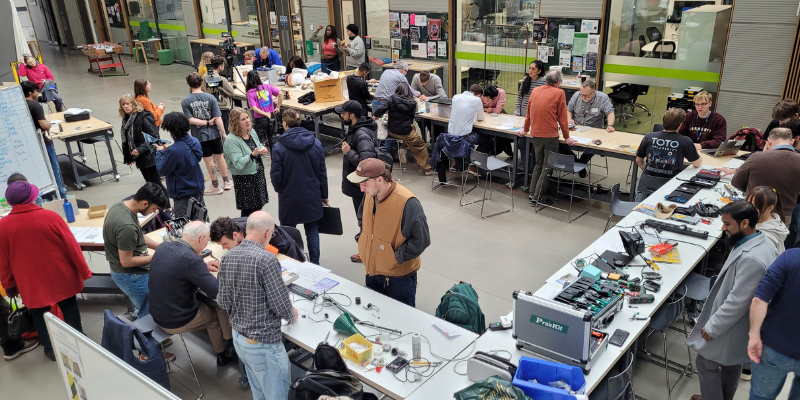
For UWE Bristol, involvement in the coalition reflects the university’s commitment to research, education, and practice in the circular economy. Staff and students are directly engaged in repair initiatives on campus and in the community, from the UWE Bristol Repair Café to student-led ventures providing affordable refurbished tech.

Launching the How to Create MAKERS guide: A blueprint for embedding repair in education

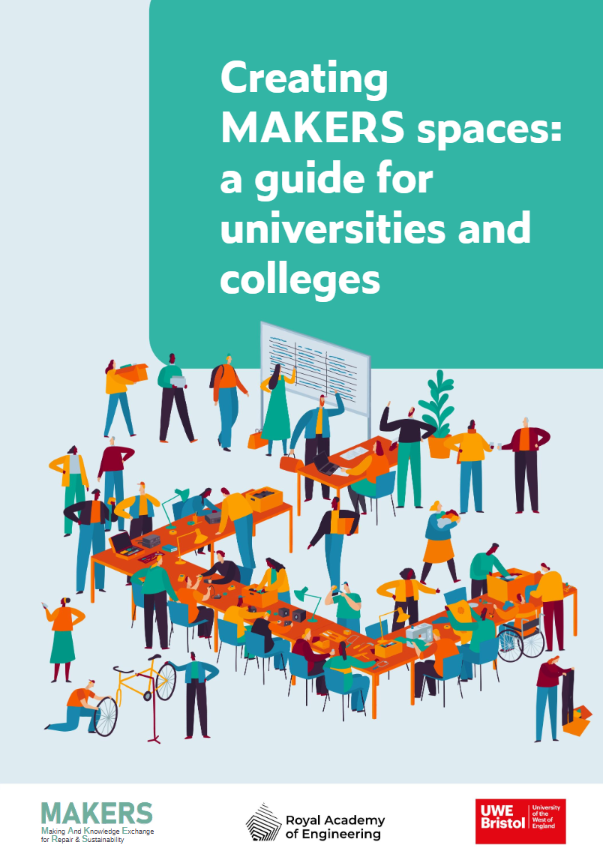
A key highlight this year is the launch of the How to Create MAKERS guide, a practical toolkit designed to help universities and colleges embed repair, making, and sustainability into their curricula. Building on the success of UWE Bristol’s MAKERS project – Making And Knowledge Exchange for Repair and Sustainability – the guide provides step-by-step advice on:

· Establishing local sustainability and repair projects

· Creating inclusive learning environments

· Building community partnerships

· Monitoring impact and sharing best practices

The guide is designed to enhance students’ hands-on skills and sense of belonging, particularly for under-represented groups, while promoting civic engagement and environmental sustainability. By providing a clear framework for implementing repair cafés, workshops, and community initiatives, it extends UWE Bristol’s impact nationally and internationally, helping institutions foster graduates who are technically capable, collaborative, and sustainability-minded.

Building hope through repair

International Repair Day reminds us that repair is more than a technical skill – it is a way of reimagining our future and our relationships with each other. It is about resilience, equity, and hope.

For UWE Bristol and the Bristol Repair Coalition, International Repair Day is an opportunity to celebrate achievements, from campus repair cafés to city partnerships, while recognising how much more remains to be done. As waste and emissions continue to rise, embedding repair into everyday life is essential.

International Repair Day celebration event:

International Repair Day Bristol 2025 will be celebrated on Saturday 18 October, 11:00–17:30 at Sparks, Broadmead. The event features hands-on workshops (electronics, bikes, furniture), creative activities (banner making, upcycling, take-apart table), talks on planned obsolescence and community activism, the Fixy Van drop-in, and a closing performance by Professor Teresa Dillon. Co-organised by Repair Acts and the Bristol Repair Coalition, the event connects Bristol to a global network promoting sustainable, community-driven repair practices.

Research with purpose – Putting lived experience at the heart of policymaking

Posted on

How can people with lived experience help shape better, fairer policy?
That’s the question explored by Dr Rounaq Nayak, whose 18-month Economic and Social Research Council (ESRC) Policy Innovation Fellowship examined how experts-by-experience can be meaningfully involved in knowledge mobilisation for policy and practice.

From November 2023 to April 2024, Dr Nayak was seconded to the Wales Centre for Public Policy (WCPP) to investigate how knowledge brokering organisations (KBOs) – such as the What Works Network – can embed lived experience into their work. While co-production is well established in health policy, practice elsewhere remains emergent. This fellowship set out to understand how involvement can be done ethically, effectively and with impact.

Exploring practice and principles

Working with colleagues Dr Katie Crompton and Dr Alex Jones, and in collaboration with WCPP and three What Works Centres – the Centre for Ageing Better, Youth Futures Foundation, and Centre for Homelessness Impact – the team conducted:

  • interviews with What Works and evidence centres,
  • a rapid review of current practice, and
  • an Insight Note distilling implications for those seeking to involve lived-experience experts in knowledge mobilisation.

Their findings show growing recognition of the value that lived-experience perspectives bring, enriching evidence with real-world insight and helping create policies with greater reach and relevance. Yet they also highlight the risks of tokenism, over-burdening individuals, and ethical concerns if involvement is not well supported.

Principles for ethical and effective engagement

The report outlines a series of guiding principles for knowledge brokering organisations, including:

  • safeguarding and fair remuneration,
  • clarity on purpose and participation,
  • building reciprocal and trusting relationships,
  • allocating time and resources from the outset,
  • planning clear pathways to impact, and
  • ensuring equity, diversity and inclusion in who participates and how.

Research with purpose

This fellowship reflects UWE Bristol’s commitment to Research with purpose – research that informs practice, shapes decision-making and centres people’s lived realities.

By working across academia, government and evidence organisations, Dr Nayak’s work is helping redefine what inclusive and ethical policymaking can look like.

👉 Read the full report: Involving experts by experience in knowledge mobilisation – Wales Centre for Public Policy

Skills that empower – the Skills Pathway Programme: building a greener future through retrofit and sustainability

Posted on

Empowering regional talent through flexible learning

At UWE Bristol, we believe that real change begins with people – those who are ready to learn, grow, and lead. The Skills Pathway Programme was created to do just that: to equip professionals across the West of England with the tools and confidence to shape a more sustainable future. 

Supporting employees from SMEs across Construction & Built Environment, Legal Services, and Engineering & Manufacturing, the programme offered four flexible pathways: Collaborative Working, Digital & Intelligent Technologies, Leadership, and Sustainability. Each pathway combined modular e-learning with live workshops, supported by optional mentoring and a dedicated Learner Engagement Lead who ensured personalised guidance throughout.

With a strong focus on inclusion, we welcomed participants from underrepresented groups, especially women and individuals from global majority backgrounds in technical sectors. Nearly 100 professionals took part, gaining access to UWE’s facilities and expert support from academics and industry partners.

The Sustainability Pathway – particularly its retrofit modules – saw the greatest uptake, reflecting growing demand for practical skills aligned with the region’s sustainability goals. Notably, 82% of participants came from construction, manufacturing, and engineering, highlighting the programme’s relevance to regional industry.

Graduates earned a UWE Certificate and Digital Badge, marking a meaningful step in their professional journey – and a collective stride toward a more sustainable future.

Reflections on the impact of the Skills Pathway Programme

Hannah Ranby, Project Lead for the Skills Pathway Programme, shared insights into her experience overseeing the project and its lasting impact.

“The programme exceeded all targets set by our funder and achieved unexpected levels of individual and business impact. This very tangible success demonstrates that there is a real appetite for stackable, modular training from people working in the region that meets both their individual development needs and provides the specific skills their organisation needs to grow.   

Uniquely, this programme provided a high level of one-to-one support for each participant, ensuring that their pathway through the programme was fit-for-purpose and that they were set up to succeed. I’m in no doubt that taking this very tailored approach to the content and structure of the programme, and ensuring that it was accessible for working people, by blending online learning and in-person workshops, contributed to the impact that the programme has had.   

Working on such a successful programme and hearing first-hand from our participants the direct impact it has had on them and their organisation is hugely rewarding for the whole project team. We have learnt so much through this project that we are now taking forward to our other funded skills programmes to ensure continuous improvement, high levels of participant satisfaction and effective use of the funding we continue to secure.”  

Tania Geta, a qualified architect, was looking for a course that would suit her company’s project portfolio, generate new opportunities, and provide her with a qualification and the skillset to run retrofit projects. 

“Through the programme, I have increased my knowledge in the areas of sustainability and retrofit. I gained valuable insights through discussions with my mentor and self-reflection using the Growth Action Plan. These conversations provided a deeper understanding of key topics and helped me apply new perspectives to my professional development. The programme also encouraged a more structured approach to goal setting and career progression, which will continue to benefit me moving forward.” 

Usman Yaqub was drawn to the structured nature of the course and was looking to address understandings of PAS 2035 and retrofit in general and how these could be practically applied into the workplace. 

“We have delved into PAS 2035 and a range of detailed areas on retrofit in general that has proved very useful to take into the working environment. I believe that this will enhance the way in which we work and ultimately lead to an enhancement in service for society as a whole.” 


What’s next?

We’re now delivering a series of new highly subsidised Skills Bootcamps at UWE Bristol, designed for SMEs and employees in larger organisations looking to deepen expertise and upskill in key areas around sustainability and manufacturing.

Explore our Skills Bootcamps and secure your place.


The Skills Pathway Programme was funded by the West of England Mayoral Combined Authority through the Mayoral Priority Skills Fund (MPSF). The MPSF was part-funded by the UK government through the UK Shared Prosperity Fund (UKSPF).  

📌 RISE connection: The Skills Pathway Programme exemplifies Skills that empower by highlighting how tailored, inclusive learning pathways equip professionals with practical, future-focused skills – empowering individuals and industries to lead sustainable change across the West of England. It also contributes to Enriching culture, place and community and Securing a green, resilient future, two of our four RISE beacons.

Innovation with impact – exploring robotic solutions for dementia care: in conversation with Dr Carlos Cifuentes

Posted on

In early October, the Bristol Robotics Laboratory (BRL) will host the 2nd Workshop on Enabling Independence with Robotic Solutions for Enhanced Wellbeing. The event brings together experts from sociology, psychiatry, gerontology, dementia care, and robotics to explore how socially assistive robots can support independence, dignity, and wellbeing for people living with dementia.

We spoke to Dr Carlos Cifuentes, Associate Professor in Human-Robot Interaction at BRL, about why this work matters, how it connects to UWE Bristol’s RISE priorities, and what to expect from the workshop.

Can you give us a short overview of the workshop – what it’s about and who it’s for?

This workshop will explore the evolving role of technologies in supporting individuals living with dementia, focusing on human-robot interaction, cognitive support, and the lived experience of dementia in care environments. Bringing together experts in sociology, psychiatry, gerontology, dementia care and robotics, the event will showcase interdisciplinary perspectives on how socially assistive robots can be designed to meaningfully engage with the cognitive, emotional, and social needs of individuals with dementia.

The goal is to foster dialogue around how technology can enhance dignity, autonomy, and quality of life while supporting caregivers in delivering person-centred care.

Why is it important to look at robotics in the context of independence, ageing and dementia?

The increase in the ageing population is inevitable, and care homes are facing a lack of long-term caregivers. Robotics can help address the dual challenges of promoting independence, supporting caregivers, and building sustainable models of future care.

This is the second edition of the workshop. What’s new or different this year?

The first workshop focused on how robotics can enhance wellbeing in ageing populations more broadly. The second edition goes deeper into dementia care, examining human-robot interaction, cognitive support, and the lived experience of dementia in care settings.

Can you share a highlight or example of the technologies being presented or demonstrated?

We have developed a smart assistive walker (Zimmer frame) that can guide people living with dementia while walking in their homes or outdoors. It also helps guide users in performing daily activities, such as preparing a cup of tea or finding specific places. Additionally, it monitors walking patterns and provides alarms to family members and caregivers when needed.

We have also created tablet-based software that integrates with a social robot to deliver reminiscence therapy and promote physical activity for people living with dementia.

How are older adults, carers or practitioners involved in shaping these robotic solutions?

We work closely with care homes and charities. Focus groups and co-design sessions are central to our process, enabling us to gather insights and optimise technologies to better support older adults, people living with dementia, and their caregivers.

Why is the interdisciplinary approach so valuable?

The interdisciplinary approach helps us develop more suitable technologies. Gerontology and psychiatry provide insights into the behavioural modes of people living with dementia. Sociology helps us run focus groups and co-design sessions. Robotics then translates this knowledge into feasible technological solutions.

What role does BRL and UWE Bristol play in leading this kind of innovation?

The assistive robotics group at UWE is leading the co-creation of these technologies, connecting users’ expectations with innovative solutions to empower carers and family members. We are developing an ecosystem that integrates tech innovators in the UK to accelerate translation and improve affordability.

How does this work connect to UWE’s RISE priorities?

We are aligned with RISE priorities, working closely with users to develop simple and reliable solutions that can transform care delivery for people living with dementia. This reflects both Innovation with Impact and Shaping integrated healthcare, helping address the ongoing challenges faced by the NHS.

What do you hope participants will take away from the workshop?

I hope participants will witness our technologies in action and gain a better understanding of the importance of interdisciplinary research in dementia care. We also hope to foster new collaborations and inspire more people to join this field of research.

Finally, what’s next for this area of research?

The next step is to deploy these technologies in care homes so people living with dementia can experience them over the long term. The greatest opportunity for impact is to reduce the pressure and burden on caregivers, while ensuring that everyone has access to dignified, person-centred care.

🔗 Want to know more?
Explore some of the team’s recent research on socially assistive robotics and dementia:

Gerontechnology Journal – Robotic Assistive Technology

IEEE Xplore: Smart Walker for Cognitive Support

IEEE Xplore: Reminiscence Therapy with Robots

Frontiers in Robotics and AI – Socially Assistive Robotics

📅 Workshop details:
Date: Friday 3 October 2025
Time: 10:00 AM
Location: Seminar Room OT145, Bristol Robotics Laboratory, UWE Bristol
Registration is required.

📌 RISE connection: This work exemplifies Innovation with impact by co-designing robotic solutions that address real-world challenges in dementia care. It also contributes to Shaping integrated healthcare, one of our four RISE beacons, by bringing technology, health expertise, and lived experience together to improve independence, dignity and quality of life.

Developing and implementing a public health and criminological approach to tackling sexual abuse

Posted on

A new book from UWE Bristol colleagues is shining a light on how we can take a fresh approach to preventing sexual abuse.

Content note: This blog discusses sexual abuse and prevention.

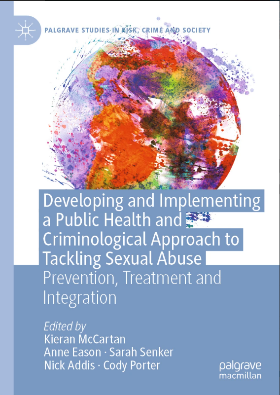
The book, Developing and Implementing a Public Health and Criminological Approach to Tackling Sexual Abuse, has been written by Professor Kieran McCartan, Dr Anne Eason, Dr Sarah Senker, Dr Nick Addis, and Dr Cody Porter. It brings together years of research and collaboration across different academic disciplines, supported in part by a UWE Emerging Research Excellence (ERE) grant.

A new way of thinking

The authors argue that tackling sexual abuse should not be left solely to after-the-fact responses in the criminal justice system. Instead, they suggest adopting a public health and criminological model known as Epidemiological Criminology (EpiCrim).

EpiCrim looks at prevention through the socio-ecological model – from individual and interpersonal relationships, right through to communities and society. This means focusing on:

  • Preventing first-time offending,
  • Reducing repeat offending, and
  • Addressing the life experiences and trauma that can lead to harmful behaviour.

By framing sexual abuse as a behaviour that can be prevented, treated, and understood, this approach encourages earlier interventions and more proactive solutions, alongside continued support for victims.

Book cover of “Developing and Implementing a Public Health and Criminological Approach to Tackling Sexual Abuse: Prevention, Treatment and Integration.” The design features a colourful abstract globe illustration in red, purple, orange, and green on a white and blue background. Authors listed: Kieran McCartan, Anne Eason, Sarah Senker, Nick Addis, and Cody Porter. Published by Palgrave Macmillan.

From research to practice

The book explores the roots of sexual abuse, how and where it happens, how society responds, and how people can be supported to safely re-enter communities after conviction. It highlights evidence from service users, victims, professionals, and policymakers, showing that prevention is possible with the right structures in place.

To help turn research into action, the UWE team have also created a policy briefing aimed at practitioners and policymakers. It makes clear recommendations, such as:

  • Broadening prevention beyond individuals to communities and society,
  • Coordinating multi-agency responses,
  • Embedding trauma-informed approaches, and
  • Expanding and funding victim support services.

These recommendations were also shared at a dedicated UWE Bristol conference, supported by a visual infographic designed to capture the key themes.

Sharing knowledge more widely

Before the book was published, Professor McCartan joined the UWE Let’s Talk Health and Care podcast to discuss the research and its real-world impact. The message is clear: sexual abuse is preventable, and change is possible if we take a more holistic, evidence-based approach.

Find out more

📘 Read the book

🎧 Listen to the podcast

Funded Skills Programmes and Professional Development courses starting at UWE Bristol in Autumn 2025

Posted on

With autumn approaching, it’s the ideal time to invest in professional growth – for yourself or your team – and build valuable new skills. At UWE Bristol, we’re pleased to be delivering a range of programmes and courses, many of which are heavily subsidised and open to both independent learners and employees of small and medium-sized enterprises (SMEs).

Whether you’re looking to upskill, explore a new area, or support your team’s development, there’s something here for you. Take a look below to find the programme or course that fits your goals and start planning your next step.

Leadership and Management Programmes

Help to Grow: Management Course  

A 12-week, 90% funded leadership and management course for senior managers of small and medium-sized businesses (SMEs). Starts 9 September 2025. 

Leadership Fundamentals 

A 10-week, highly-subsidised programme that helps SMEs build essential leadership skills to strengthen their teams and support sustainable growth. Starts 19 September 2025. 

Coaching and Mentoring Courses

A discount for UWE Bristol Alumni is available for the Coaching and Mentoring courses listed below.

Certificate in Effective Coaching and Mentoring (ILM level 5) 

This ILM qualification aims to give you the skills and experience to develop your coaching and mentoring skills by practically completing sessions and critically reviewing these. Starts 29 September 2025. 

Certificate for Executive and Senior Level Coaches and Mentors (ILM level 7) 

This ILM qualification is ideal for senior leaders with significant responsibility for coaching and mentoring as part of their day-to-day role working with employees or colleagues. Starts 13 October 2025. 

Skills Bootcamps

Our Skills Bootcamps are short, intensive cost effective training solutions lasting between 8-12 weeks, equipping individuals with industry-relevant skills to help you futureproof your business.  

Artificial Intelligence and Digital Technologies for Manufacturing and Engineering Skills Bootcamp 

A 10-week, 90% funded high impact training programme for SMEs, designed to equip professionals with the digital expertise needed to drive innovation and efficiency in modern industry. Apply by 8 September 2025. 

Digital Built Environment: Fabrication & Manufacturing Skills Bootcamp 

A 10-week, 90% funded practical training experience designed to equip individuals with cutting-edge digital construction and manufacturing capabilities. Apply by 15 September 2025. 

Managing Projects Successfully Skills Bootcamp 

An 8-week, 90% funded programme designed to enhance project management skills including communication, leadership, teamwork, critical thinking and problem-solving abilities. Apply by 15 September 2025. 

Scaling Preparedness: Green Tech Startup Growth Skills Bootcamp 

A 9-week, 90% funded programme equipping green tech entrepreneurs, founders and emerging leaders with the advanced leadership, strategy and sales capabilities needed to scale sustainability. Apply by 8 September 2025.  

Leadership and Resilience for Creative and Cultural Work Skills Bootcamp 

A 10-week, 90% funded programme designed to help creative professionals thrive in senior roles or freelance contracts, through gaining vital business skills including networking, pitching, and accessing funding. Apply by 8 September 2025. 

Urban Greening for a Biodiverse West of England Skills Bootcamp 

A 10-week, highly-funded programme designed for professionals looking to deepen their understanding of urban biodiversity and apply innovative greening techniques to their work. Apply by 15 September 2025. 

School of Engineering Professional Development Courses

Hydrogen Fuel Cell Systems 

This one-day programme will help you develop an understanding of how hydrogen fuel cells offer a zero-emission alternative to fossil fuels, making them a promising solution for reducing greenhouse gases and combating climate change. Takes place on 16 September 2025. 

Advanced Wind Energy 

This three-day course will cover the fundamental aerodynamic theory of wind turbines, wind turbine control methods, and other relevant topics such as wind turbine noise, wind distribution and capacity factor. Starts 17 September 2025. 

Explore more Professional Development courses on a range of topics.


To find out more about the courses listed above, please contact the following teams:

Help to Grow: Management Course – helptogrow@uwe.ac.uk

Leadership Fundamentals – workforceskills@uwe.ac.uk

Skills Bootcamps – bootcamps@uwe.ac.uk

Professional Development Courses – CPD@uwe.ac.uk