

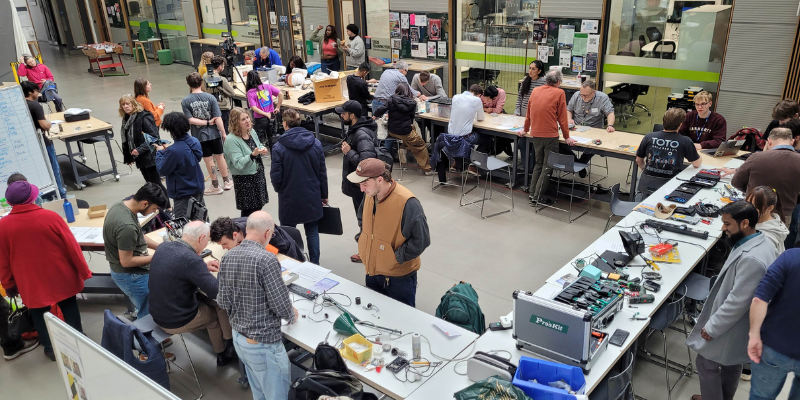
This is a guest blog written by Kat Corbett, Interim Head of Circular Economy at UWE Bristol.
On 18 October, International Repair Day is celebrated worldwide. It is a moment to recognise the power of repair not only to reduce waste and emissions, but also to strengthen communities and reimagine our relationship with the things we use every day.
For UWE Bristol and the Bristol Repair Coalition, this year’s celebration follows closely on the heels of FixFest 2025, the international festival of repair. Seven delegates from Bristol joined campaigners, businesses, academics, and activists from over 20 countries to share experiences and strategies. The energy from that event carries directly into today’s focus: making repair affordable, accessible, and mainstream.

The global fight for a right to repair
Repair is becoming harder, even as the need grows more urgent. E-waste is now the fastest-growing waste stream globally, with millions of devices failing within just years, or even months or weeks of purchase. From phones that are impossible to open to laptops requiring specialist tools, barriers to repair are everywhere.
The Right to Repair Europe movement exists to tackle these challenges. With over 180 member organisations from 30 countries, including NGOs, community groups, social enterprises, refurbishers, and citizen advocates, the coalition campaigns for universal access to spare parts and manuals, affordable repair, and legislation that prevents planned obsolescence.
This International Repair Day, the initiative urges policymakers to act boldly. The recent decision by Microsoft to end free support for Windows 10 illustrates why: millions of usable devices risk premature obsolescence. Globally, the Right to Repair movement remains critical.
Bristol’s role in a global movement
The Bristol Repair Coalition, founded in March 2024 through the Repair Acts initiative, is a diverse alliance of community groups, social enterprises, academic institutions, local businesses, and city partners. Its aim is to create a regenerative material culture that prioritises repair and reuse, moving beyond recycling to systemic change.
The coalition works closely with Bristol City Council to embed repair into the city’s new Waste Strategy, while exploring a Circular Economy Demonstrator – a space to refurbish, repair, and resell items, create jobs, and provide training. It has also launched a public map of Bristol’s repair ecosystem, connecting residents with local repair cafés, social enterprises, and specialist services.
For UWE Bristol, involvement in the coalition reflects the university’s commitment to research, education, and practice in the circular economy. Staff and students are directly engaged in repair initiatives on campus and in the community, from the UWE Bristol Repair Café to student-led ventures providing affordable refurbished tech.
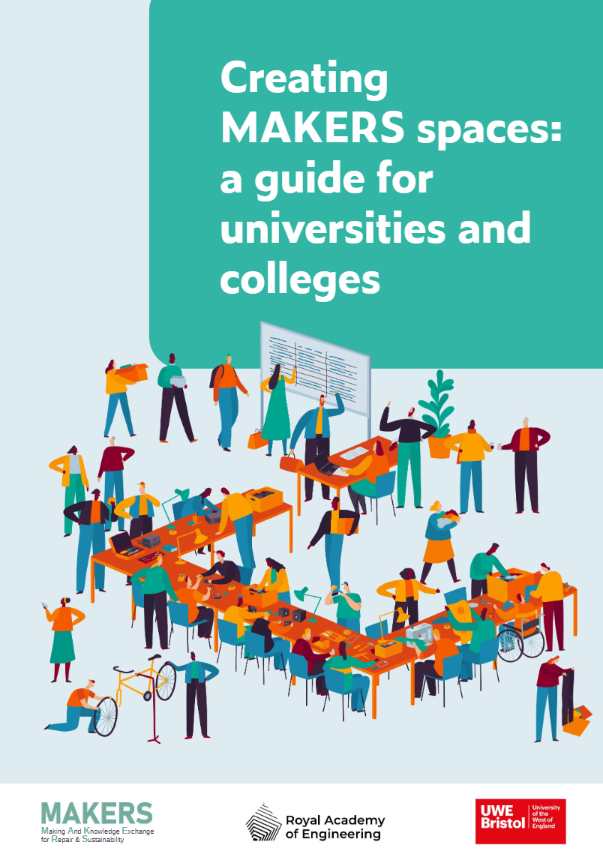
Launching the How to Create MAKERS guide: A blueprint for embedding repair in education
A key highlight this year is the launch of the How to Create MAKERS guide, a practical toolkit designed to help universities and colleges embed repair, making, and sustainability into their curricula. Building on the success of UWE Bristol’s MAKERS project – Making And Knowledge Exchange for Repair and Sustainability – the guide provides step-by-step advice on:
· Establishing local sustainability and repair projects
· Creating inclusive learning environments
· Building community partnerships
· Monitoring impact and sharing best practices
The guide is designed to enhance students’ hands-on skills and sense of belonging, particularly for under-represented groups, while promoting civic engagement and environmental sustainability. By providing a clear framework for implementing repair cafés, workshops, and community initiatives, it extends UWE Bristol’s impact nationally and internationally, helping institutions foster graduates who are technically capable, collaborative, and sustainability-minded.
Building hope through repair
International Repair Day reminds us that repair is more than a technical skill – it is a way of reimagining our future and our relationships with each other. It is about resilience, equity, and hope.
For UWE Bristol and the Bristol Repair Coalition, International Repair Day is an opportunity to celebrate achievements, from campus repair cafés to city partnerships, while recognising how much more remains to be done. As waste and emissions continue to rise, embedding repair into everyday life is essential.
International Repair Day celebration event:
International Repair Day Bristol 2025 will be celebrated on Saturday 18 October, 11:00–17:30 at Sparks, Broadmead. The event features hands-on workshops (electronics, bikes, furniture), creative activities (banner making, upcycling, take-apart table), talks on planned obsolescence and community activism, the Fixy Van drop-in, and a closing performance by Professor Teresa Dillon. Co-organised by Repair Acts and the Bristol Repair Coalition, the event connects Bristol to a global network promoting sustainable, community-driven repair practices.