“We all want marketing to be more efficient and effective — not just for brands, but for organisations like councils too, helping them share important messages that truly connect with their communities and make a real difference.”
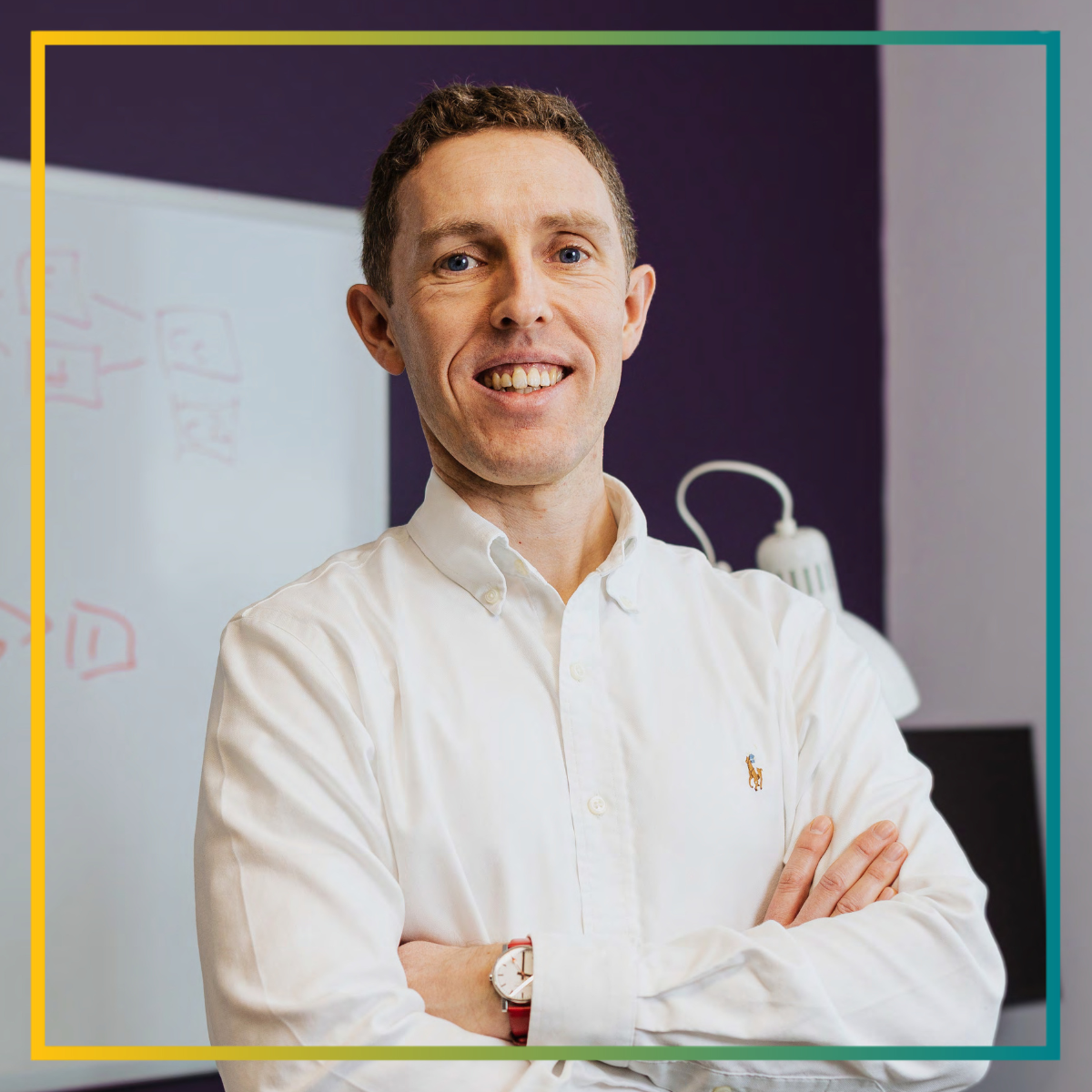
Dr Tom Bowden-Green, senior lecturer in marketing:
I spend a lot of my time understanding how consumers behave through psychology. My research focuses on how people respond to creative techniques, marketing campaigns, and different brands, particularly in online environments. It’s fascinating work because we’re constantly dealing with new platforms and technologies that change how we communicate with audiences.
The psychology driving digital change
Digital marketing has transformed dramatically over the past decade. When I started my PhD about eight years ago, platforms like Facebook were just hitting their stride. The urgency to understand consumer behaviour in these new environments was clear—particularly how personality traits shape online actions. Remember the Cambridge Analytica stories? That moment made my research feel incredibly relevant.
Today, I apply those same psychological insights to a wide range of real-world challenges—from helping Bristol City Council communicate climate change more effectively to supporting Visit West in promoting Bristol as a destination. Each project connects behavioural science with practical impact.
What keeps this field so engaging is its constant evolution. A few years ago, TikTok wasn’t even on the radar; now, it’s a major focus of research. The metaverse is looming, and one of my PhD students is beginning work on how people perceive and engage with artificial intelligence.
Real impact, measurable change
My work goes beyond academia—it’s about making organisations more effective. Whether it’s helping Bristol City Council reduce car use or supporting local creative businesses, the goal is always practical improvement.
Some of our research challenges assumptions. One current project explores how “woke” politics is portrayed in the media versus what the public is actually like. Early findings suggest the often-cited “tofu-eating, Guardian-reading” stereotype doesn’t reflect reality.
We’re also expanding beyond traditional research. We run boot camps for people outside the university, teaching new digital marketing techniques. Soon we’ll be launching a major initiative with creative industries across the region, helping them improve not just their marketing but their overall business efficiency through collaboration with colleagues in strategy, HR, and leadership.
The bigger picture
My ultimate vision is to achieve wider understanding of behavioural science—helping people recognize that human behaviour is governed by psychology, not just rational decision-making. While books like Dan Ariely’s “Predictably Irrational” have popularized some of these concepts, we’re still not at the point where marketers truly understand psychology.
This is especially important now that anyone can run a Facebook campaign in half an hour. Helping smaller businesses understand what makes campaigns effective, rather than just putting out adverts with little impact, could transform how we communicate.
Contribution to the UN 2030 sustainable development goals
UWE Bristol is proud to align our research to the UN sustainable development goals. The above research aligns with the following goals: