Housing and Homelessness, a Civic matter: Housing Matters 60th Anniversary

Posted on

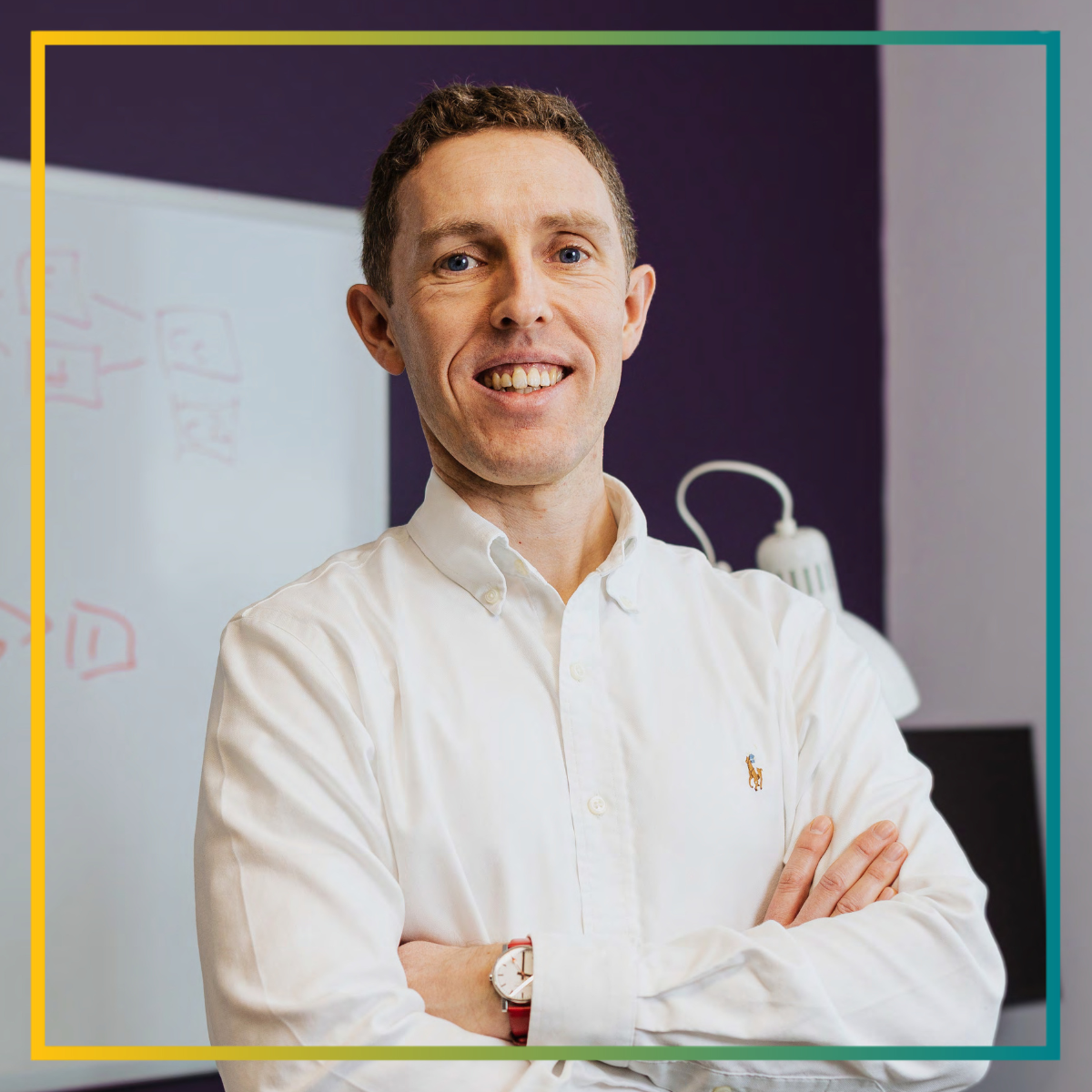
Written by Allan Macleod, Head of Civic and Inclusivity

Ask anyone in Bristol what the biggest challenges the city faces are, and you will find three main responses, inequality, transport and housing. In many ways the three are interlinked but the rise of homelessness is becoming ever more evident and the cost of housing and inequality in access is something that many of us feel whether we own or rent property. Bristol has the highest rents outside of London and the amount of people living in temporary accommodation has more than doubled since the pandemic.

But, Bristol has become known for its creative attempts to address the housing crisis. The work of the Housing Festival has championed innovative approaches to housing delivery with the Hope Rise houses raised above a car park or the Gap House concept to grow the portfolio of deliverable housing sites. Alongside housing delivery the city has a longstanding and collaborative housing support sector, vocal about the needs of its users and active in promoting their case.

On September 17th one of the key players in the housing support sector, Housing Matters had its 60th anniversary and colleagues from across UWE were there to join the celebrations and explore how we can further support the sector. Housing Matters has been championing working upstream to provide communities the support their need at an early stage, near where they live. Data from this has shown that 94% of their clients wouldn’t have accessed specialist advice if it wasn’t in their community centre.

This community first approach is exactly how UWE Bristol’s new Civic and Inclusivity team wants to work with our Voluntary, Community and Social Enterprise partners.

As a University, we are often blamed for the growth in student numbers leading to higher rent and lower quality housing across the city. Our students may seem to be part of the problem but many of our students are also victims of it too, living in poor quality expensive housing. We have worked with Housing Matters to support these students. We recently connected our Student Union Housing officers to Housing Matters training to ensure that our students receive the best housing advice available when they seek support. UWE Bristol’s involvement goes further than just the needs of our students.

As an institution, we have a role to play in improving the local area in which we exist. UWE Bristols’s newly formed Civic and Inclusivity team is working both to provide meaningful volunteering and community engagement opportunities for our students but also to understand the needs of the region’s communities and how we can bring the full weight of the institution to tackle those needs.

We have a depth of academic expertise that is working to understand the needs of the sector and provide evidenced based research to back up the work of the housing support sector and had multiple academics from UWE Bristol at the event including Winifred Onyemaechi who, as well as being an associate lecturer in  Human Resource Management within CBL; is a trustee for Housing Matters.

”Winifred joined our Board in 2025 and brings with her a wealth of skills in Human Resource (HR) management and organisational development. She has both professional and academic experience in HR strategy, people development, and data-driven decision making – with a keen interest in the third sector. Winifred is pursuing a PhD in Business and Management, focused on Community-based voluntary organisations, which puts her in a strong position to advise Housing Matters on volunteer engagement and the wider charity landscape. She is also an Associate Researcher, exploring innovative ways to strengthen charity-sector impact.”

Housing Matters

Winifred explains, ”I joined HM because its mission to address homelessness and provide supportive housing truly resonates with my values of empowerment and social impact. I am passionate about creating a kinder and more inclusive society where everyone feels safe, supported, and valued. Having witnessed firsthand the challenges faced by individuals experiencing housing insecurity, I deeply appreciate the transformative impact of the charity’s work in helping people rebuild their lives with dignity and hope In addition, I believe my experience as a HR professional, alongside my current research work, will enable me to make meaningful contributions towards expanding the charity’s reach and enhancing its processes, practices and impact.”

Beyond research, we are exploring opportunities to use student pro-bono support and further research support through Knowledge Transfer Partnerships and research bids to develop our connections with the sector further. Our professional volunteering scheme provides an opportunity to tap into the creative talent of our students and if the event hadn’t fallen in welcome week, we’d have sourced UWE students to support with photography. As it was, we were fortunate to have Ripley Williamson King and Anna Jones, colleagues from UWE Bristol’s Research and External Engagement division captured the celebrations.

Our new Civic team is here to help charities, communities and the whole West of England’s VCSE sector to better navigate all the University has to offer. We have a range of opportunities that any charity can access. If you’re interested in finding out more about the Civic and Inclusivity team, or exploring research, volunteering or other support from UWE, get in touch with the Civic and Inclusivity team! You can contact Allen by Emailing: Allan.Macleod@uwe.ac.uk

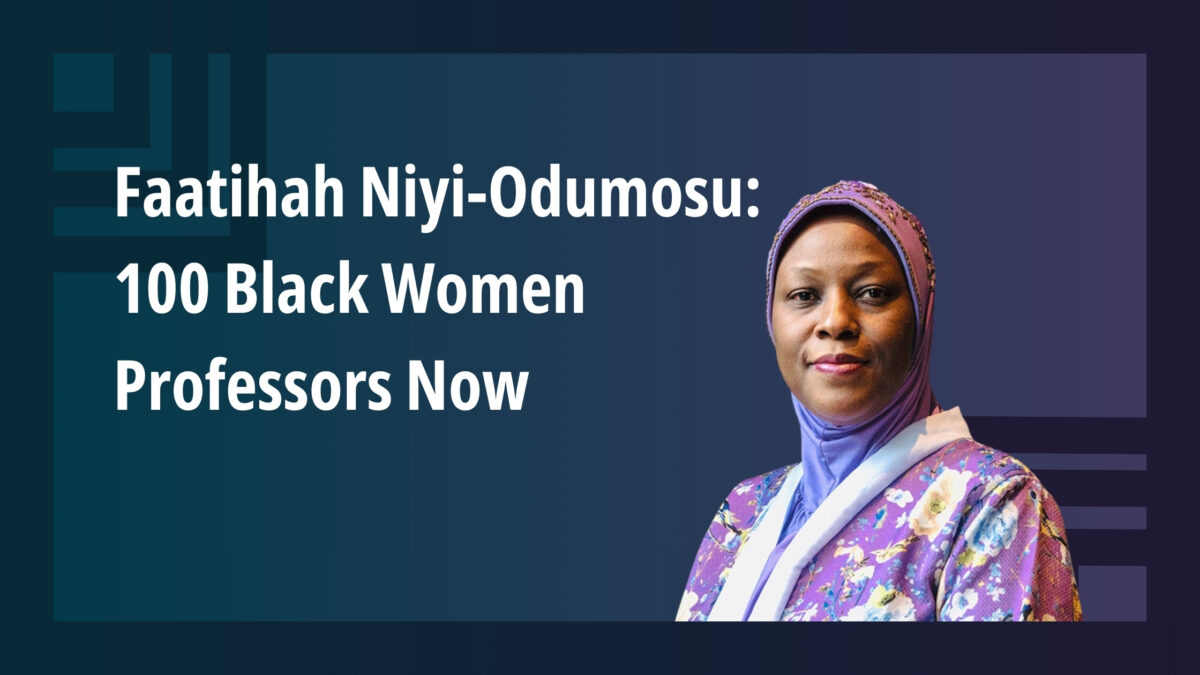
Dr. Faatihah Niyi-Odumosu: Pioneering Health Equity Through Research and Community Engagement

Posted on

Dr. Faatihah Niyi-Odumosu, Associate Professor of Physical Activity and Health Promotion at UWE Bristol, proudly embodies the power of combining clinical expertise with academic leadership. As both medical doctor and an accomplished researcher, she’s carved a distinctive path in health promotion, addressing critical gaps in healthcare access and outcomes globally, for underrepresented communities.

Building Bridges Through ALIBSA

At the core of Faatihah’s work is ALIBSA (Ageing Lifestyle in Blacks and Asians), a knowledge exchange platform with over 100 members that aims to improve health equity through health literacy. ALIBSA addresses the unique challenges faced by Black and Asian populations in maintaining healthy lifestyles as they age, providing free monthly webinars and resources to educate and empower communities about their health.

Faatihah has earned widespread recognition for fostering knowledge exchange, business innovation, and strategic partnerships across healthcare, health technology, NHS trusts, and the sports industry. Her portfolio includes groundbreaking initiatives such as FitBees, SAW-Health, and the C2REST Project, each contributing to advancing health outcomes on a global scale.

Navigating Academic Challenges

Throughout her career, Faatihah encountered the familiar pressures of academic life, balancing research ambitions with teaching commitments and administrative demands, while securing the funding necessary to advance her work. Yet she approached these challenges with characteristic determination, refining her grant-writing abilities and cultivating strong collaborative relationships.

“My career has been shaped by my willingness to learn and grow, as well as the support of mentors, sponsors, family and colleagues,” she reflects. This combination of personal resilience and collective goals have been fundamental to her ability to navigate the complexities of academia while maintaining the boundaries necessary for sustainable success.

The 100 BWPN Impact

The 100 Black Women Professors NOW programme proved transformative for Faatihah’s academic journey. Assigned both a sponsor and mentor, she gained access to invaluable opportunities, advice, and support that opened new doors for her career advancement. The cohort met with the Vice Chancellor and other executives’ multiple times, creating visibility and advocacy opportunities that placed important conversations about equity and inclusion at the highest levels of institutional leadership.

“This program allowed me to connect with a diverse group of Black women in academia, increased my visibility within the academic community and beyond, and provided opportunities to advocate for diversity, equity and inclusion in higher education.”

The programme’s impact extended beyond individual career development, equipping participants with the tools, confidence, and connections needed to drive systemic change within their institutions and the wider academic landscape.

Global Leadership and Legacy

Faatihah’s influence extends internationally. She serves as Secretary of the Low-Middle-Income Countries Research Council for the International Society of Physical Activity and Health (ISPAH), Associate Editor of the Journal of Physical Activity and Health, and reviewer for NIHR and Innovate UK grants. Her mentorship reaches across continents, supporting healthcare practitioners, early career researchers, and doctoral students in the UK, Nigeria, Ghana, Cameroon, Australia, Malaysia, India, the Netherlands, Canada, and the United States.

Her research focuses on developing effective lifestyle interventions to improve human health, particularly in chronic diseases, with special attention to older adults, ethnic minorities, and patients with conditions such as type 2 diabetes and chronic kidney disease.

Words of Wisdom

For those navigating their own academic journeys, Faatihah offers clear guidance:

“Build a strong network, stay focused and determined, and seize every opportunity. Trust yourself to find solutions. Treat others with kindness and respect and keep your ultimate goal in sight. These principles will guide you through challenges and lead you to success.”

Through her work with the 100 BWPN programme and her community-centered research initiatives, Dr. Faatihah Niyi-Odumosu demonstrates how individual excellence can drive systemic change, creating healthier futures for underrepresented communities while paving the way for the next generation of diverse academic leaders.


UWE Bristol staff can apply to join the 25/26 cohort of this programme. Applications are open now, closing 19 Oct 2025.

Enterprise that fuels progress: Aswath Ganesan Indra; Student to Space-Tech Entrepreneur

Posted on

Meet Aswath Ganesan Indra MSc Robotics graduate and Co-founder of GI Healthcare – our first international student to successfully secure the Innovator Founder visa. He is on a mission to develop advanced food tech products to make freshly cooked healthy food easily accessible and affordable to anyone anytime, anywhere – even beyond earth. His story showcases how the right enterprise support can fuel extraordinary progress. 


Building Autonomous Kitchens for Extreme Environments 

Aswath’s journey began in Student Ventures, where he developed initial proof-of-concept prototypes. A pivotal moment came when the prototype was installed in Glenside kitchen, catching the attention of MOD officials. This demonstration at Technology Readiness Level (TRL) 3 led to funding that propelled the project to TRL 6 – a lab-tested product demonstrated to users. 

Aswath’s startup, GI Healthcare, is pioneering autonomous kitchen technology for some of the most challenging environments imaginable – from military operating bases to Mars simulation programmes. Their mission is clear: create lightweight, compact cooking systems that use minimal resources while lasting longer than traditional alternatives. 

"We're building robust kitchens for extreme environments. Our target is to strategically move from terrestrial environments - working with UK defence sector - and expand into disaster relief, commercial settings, and ultimately the space sector."

The company is currently collaborating with impressive partners including the European Space Agency (ESA), UK Space Agency, and NASA’s CHAPEA team for Mars simulation research. Meanwhile, their terrestrial applications are gaining traction with the UK Ministry of Defence for operating bases, field kitchens, submarines and ships. 

“We’re now working towards field testing and deployment into military bases,” says Aswath. “Our timeline shows sales starting mid-2027, as we progress from TRL 6 to 9.” 

What makes this particularly impressive is that GI Healthcare retains all intellectual property rights. This positions them perfectly to expand into NATO countries and diverse markets while maintaining control of their innovations and staying true to their mission. 

The Power of Enterprise Support 

"This journey literally started from Student Ventures... Without that, it would have been very hard or much more expensive for us. We didn't have office space or anything, plus the expense of learning business skills and having mentors."

Student Ventures played a crucial role in Aswath’s entrepreneurial journey. The summer scholarship provided essential funding for initial market research, leading to a significant pivot from software to hardware solutions. “After market research, I found people needed the correct physical tools essentially, so it was better to jump directly into hardware,” he explains. 

The support extended beyond funding. Student Ventures provided workspace when laboratory facilities weren’t available, organised showcases for investors and early demonstrations, connected Aswath with mentors such as Callum Usher-Dodd, a Student Ventures Coach  who provided ongoing support and facilitated the crucial connection with Chris Abbott that led to the Glenside installation and subsequent MOD interest. 

Looking to the Future 

Aswath’s vision extends far beyond current achievements. The strategic progression from terrestrial defence applications to space technology reflects the ambitious scope of his work. His advice for current international students considering the entrepreneurial path is practical: utilise the two-year graduate visa to establish the business, understand customers, and navigate pivotal decisions before applying for the Innovator Founder visa. 

“Once you nail down your market and prove viability and credibility, it’s much easier to get a clear picture,” he advises. 

Aswath’s story exemplifies how enterprise education, coupled with the right support infrastructure, can transform ambitious ideas into reality. From Student Ventures workshops to defence contracts and space agency partnerships, his journey demonstrates that with bold thinking, critical support, and persistent innovation, the next generation of entrepreneurs can indeed fuel progress and ignite change. 


Interested in following an entrepreneurial path like Aswath? Discover how UWE’s Enterprise Zone and Student Ventures can support your journey from idea to scale-up and learn more about funding, mentorship, and workspace opportunities available and RISE with us. 

📌 RISE connection: Aswath’s journey exemplifies Enterprise that fuels progress by demonstrating how entrepreneurial support, from initial prototyping to securing international partnerships, transforms innovative ideas into solutions that address global challenges. His work also contributes to Securing a green, resilient future through sustainable food technology that minimizes resource use in extreme environments, and Skills that empower by showcasing how enterprise education and mentorship enable students to develop the business acumen needed to scale ambitious ventures from concept to real-world impact.

Composting, Community, and Circularity: A Glorious Morning at Heart of BS13

Posted on

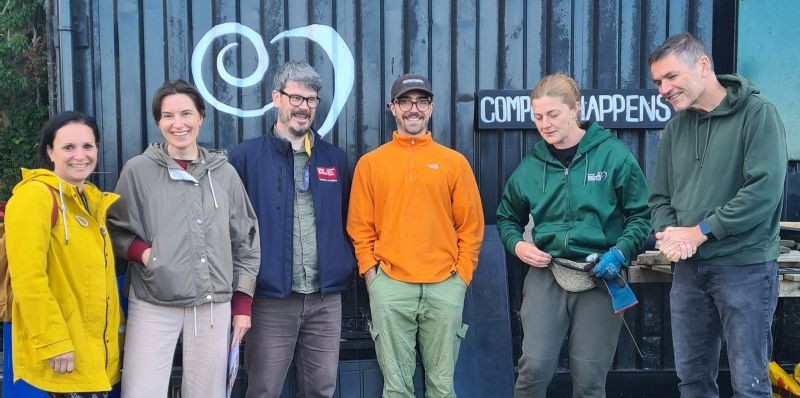
The Civic and Inclusivity and Sustainability Teams at UWE Bristol recently spent an inspiring morning at the Heart of BS13 Flower Farm,

Francesca Romita – Civic Development Manager

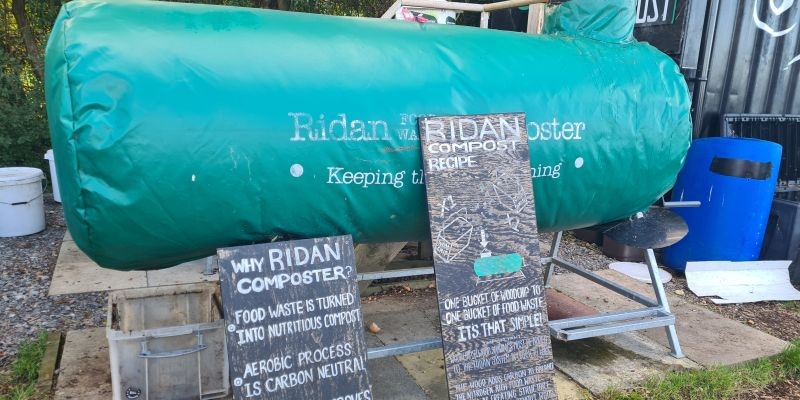
The Civic and Inclusivity and Sustainability Teams at UWE Bristol recently spent an inspiring morning at the Heart of BS13 Flower Farm, immersing ourselves in the transformative power of composting and community action. Guided by Jenny Liggit—Closed Loop Compost Coordinator and local composting champion—we explored the farm’s thriving community composting scheme, a brilliant example of circularity in motion.

Jenny’s work is truly remarkable. She’s successfully engaged 60 households in Hartcliffe, encouraging them to donate their food waste to be transformed into high-quality compost. This compost is then used to grow vibrant flowers and nourishing vegetables on the farm. Her approach is simple yet powerful: door-knocking, WhatsApp reminders, and warm invitations to visit the farm for a compost tour, tea, and cake. This grassroots engagement has sparked real behavioural change, demonstrating the impact of community-led sustainability initiatives.

We were also joined by Alex Montgomery, a former UWE student and founder of Generation Soil, a Community Interest Company turning Bristol’s food waste into living compost. Alex’s insights into soil health and food systems enriched our conversations, highlighting the importance of green skills education and urban food resilience.

But the visit wasn’t just about compost—it was about connection. We were joined by Paul Roberts (Head of Environment & Sustainability), Jeff Davey (Environmental Management Systems Lead), and Kat Corbett (Interim Head of Circular Economy). Together, we explored how universities like UWE can support and amplify this kind of transformational work.

Key takeaways

  • Food waste becomes compost, which nourishes soil and grows food and flowers—a closed-loop system benefiting both people and the planet.
  • Community engagement is essential, and Jenny’s success shows that with the right approach local communities can be deeply involved in sustainability.
  • Schools are required to manage food waste and develop climate action plans, but many lack the resources and capacity. Interestingly, SEND schools often lead the way due to their emphasis on outdoor learning.
  • Heart of BS13 emphasizes grassroots involvement, especially from young people, in shaping climate solutions—similar to how many Indigenous communities prioritise local leadership and traditional ecological knowledge.
  • Initiatives like Heart of BS13’s Green Skills Course— A practical training programme for 15–24-year-olds not in education or full-time work, combining volunteering, work experience, and learning. Activities include composting and flower farming at Hartcliffe City Farm, event planning and climate action, plus trips to green initiatives across the region.

How universities can support this vital work

There are exciting opportunities for UWE to collaborate with Heart of BS13, including:

  • Professional volunteering scheme to support marketing and campaign efforts
  • Science-informed practice to enhance impact and credibility and create links with academics at UWE
  • Outreach projects that demonstrate reductions in black bin waste, potentially attracting support from Bristol City Council
  • UWE Community Grants to fund student- and academic-led initiatives

Looking Ahead

This visit left us energised and inspired. We’re excited to explore how UWE Bristol can further support Heart of BS13’s mission to tackle health inequalities and build ecosystem resilience.

Composting may seem like a small act but today reminded us that it’s a gateway to community empowerment and transformational change.

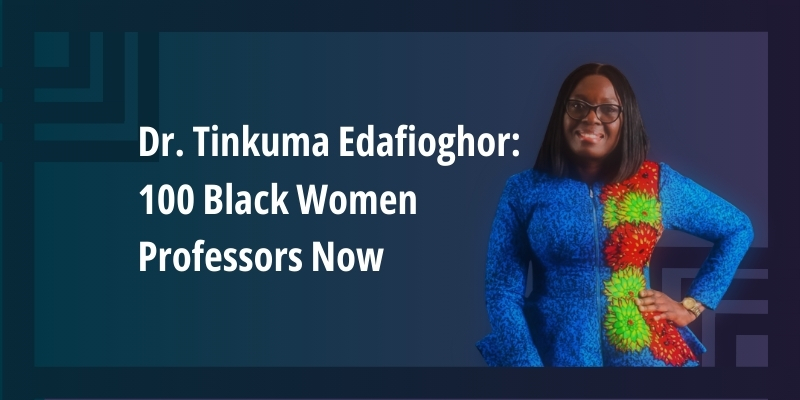
Programme Spotlight: Dr. Tinkuma Edafioghor, 100 Black Women Professors Now

Posted on

Following the success of the 2024 cohort, UWE Bristol is renewing its partnership with the Women’s Higher Education Network (WHEN) for the 2026 cohort of the 100 Black Women Professors Now programme, addressing career progression gaps for global majority staff as part of our commitment to becoming an anti-racist institution.

Throughout this month we will spotlight the achievements of the 100 Black Women Professors now 2024 alumni Starting with Dr. Tinkuma Edafioghor, a Senior Lecturer in Human Resource Management at UWE Bristol Business School and member of Human Resources, Work and Employment research group (HRWE)


A Foundation Built on Passion

Tinkuma’s doctoral research, “The Antecedents and Consequences of Organizational Resilience: An Investigation of SMEs in Nigeria,” reflects her deep commitment to exploring the intersection of human resource management and organizational resilience, these themes continue to drive her research today. With over eight years of experience in higher education, Tinkuma teaches across undergraduate and postgraduate modules while supervising student dissertations. Her current research focuses on organizational resilience and employee wellbeing, areas she believes are critical to business success and sustainability in today’s dynamic environment.

Like many academics, Tinkuma faced significant challenges early in her career. Balancing research demands, teaching responsibilities, and administrative duties while maintaining work-life balance proved demanding. The competitive nature of securing research funding and getting published added another layer of complexity.

“I overcame these challenges by seeking mentorship from senior colleagues who shared their insights on effective time management and research strategies,”

This experience taught her the invaluable lesson of focusing on what she could control while actively seeking support from her professional network.

The Transformative Impact of 100 BWPN

As one of six Black female academics who became pioneers of UWE’s 100 BWPN programme she experienced unprecedented levels of support and encouragement.

“Connecting with like-minded professionals, learning from their experiences and sharing insights has expanded my perspective and enriched my teaching and research,” she explains. The programme provided what she describes as “a hierarchy of support” that she had never experienced in her combined years working in higher education.

Current Research and Impact

Tinkuma’s current work includes an EDICa Funded Project titled “The Impact of Hybrid Working on Black Women Academics: Productivity and Visibility in the Post-COVID Higher Education.” This research continues her commitment to understanding and addressing the specific challenges faced by underrepresented groups in academic settings.

Her research expertise spans Human Resource Management, International HRM, and Organizational Resilience, with particular focus on talent management, employee engagement and wellbeing, leadership and change management, and strategic HRM alignment.

A Vision for the Future

Through her work with the 100 BWPN programme and the Safe Space Initiative, Tinkuma embodies the African philosophy of Ubuntu: “I am what I am because of who we all are.” Her journey demonstrates how individual transformation can catalyze systemic change, creating pathways for future generations of Black women in academia.

As she continues to research, teach, and mentor others, Dr. Tinkuma Edafioghor stands as a reminder that when institutions invest in supporting underrepresented voices, we strengthen the community as a whole.


UWE staff can apply to join the 25/26 cohort of this programme. Applications are open now, closing 19 Oct 2025.

Knowledge Transfer Partnership case study – True to Nature

Posted on

The Knowledge Transfer Partnership (KTP) between University of the West of England (UWE Bristol) and True to Nature was established to develop a high-performance underwater drone (ROV) called Mako for capturing cinematic footage of fast-moving marine animals like sharks and dolphins. The project aimed to enhance True to Nature’s innovation capabilities and establish in-house R&D capacity while addressing technical challenges in underwater filming through advanced engineering and manufacturing expertise. Professor Carinna Parraman led the multidisciplinary academic team from UWE Bristol’s Centre for Print Research, with Matt Dumbrill serving as the KTP Associate who developed expertise in prototyping, design, and systems integration.

The Company

True to Nature is a Bristol-based independent production company founded by Dr Wendy Darke, former Head of the BBC Natural History Unit. True To Nature specialises in creating innovative natural history content that connects people with the natural world. With nature at its core, the company invests in advanced filming technologies to deliver immersive visuals and serve as a voice for the planet. True To Nature has produced content for major broadcasters and streaming platforms including BBC, Sky and Netflix and is currently expanding its reach through YouTube.

The Challenge

The KTP project addressed two core challenges: designing a high-performance underwater drone from scratch and embedding a research and development (R&D) capability within True to Nature. The technical challenge involved developing a bespoke Remotely Operated Vehicle (ROV) capable of capturing immersive wildlife footage, including air-to-underwater transitions. This required expertise across fluid dynamics, system control, power management, communications, digital film, material selection, and 3D printing. A major hurdle was overcoming underwater leakage caused by pressure and seawater erosion. The team had to carefully design and integrate power systems, control mechanisms, and communications to ensure reliable operation during filming.
For True to Nature, the project was a strategic opportunity to enhance its innovation credentials and strengthen in-house R&D capacity. The successful development of the ROV will enable the capture of unique footage of sharks and dolphins, hopefully contributing to winning a landmark series with a major streaming platform and generating significant commercial value.

“The effect of the KTP for True To Nature has been motivating and transformational and will provide the company with a competitive advantage that is difficult to copy i.e. a 20mph capable ROV that will keep pace with and film a shark. This capability has allowed True To Nature to bid for underwater film production opportunities with big broadcasters and streamers that will hopefully underpin future growth in turnover and profitability.” Stephen Batty (Commercial Director, True To Nature)

To address True to Nature’s ambition of capturing cinematic underwater footage featuring fast-moving marine animals such as sharks or dolphins, the KTP project developed a bespoke ROV named Mako (after the world’s fastest shark). Designed for speed and agility, the ROV underwent iterative prototyping and testing, achieving watertight integrity and operational readiness. The film and TV industry—especially the natural history genre—is currently facing significant challenges, with fewer commissioning opportunities. However, the KTP and ROV solution has given True To Nature a competitive edge, enabling the capture of never-seen-before underwater content and increasing the potential to secure new, profitable production projects.

Beyond its original purpose, the ROV also shows promise for wider applications such as search and rescue and rapid coral bleaching surveillance. The multidisciplinary expertise provided by UWE Bristol—spanning engineering, design, and software—was critical to the project’s success. These skills have been embedded within True To Nature, establishing a lasting in-house R&D capability and enhancing the company’s competitive edge

Benefits and Changes

The Knowledge Transfer Partnership (KTP) between True to Nature, the UWE Bristol, and Innovate UK has led to significant advancements in underwater filming technology, innovative R&D capabilities, and competitive positioning within the natural history production industry at True to Nature. As a result of the KTP, True to Nature and its staff have acquired several new knowledge areas and capabilities. These include (but not limited to):

  • The KTP delivered significant benefits across all partners. For True to Nature, it enabled innovative filming techniques with commercial and scientific potential, while establishing inhouse R&D capacity to support future productions and product commercialisation.
  • For UWE Bristol, the project opened opportunities to publish academic papers in areas such as underwater drone innovation. The paper will add valuable weighting to support the development of an impact case study for participation in REF2028, strengthening the university’s research profile in advanced manufacturing and creative technologies.
  • The KTP Associate gained hands-on experience in prototyping, design, and systems integration through the development of the ROV. This was complemented by formal training, including a commercial drone pilot licence and a professional project management qualification, enhancing technical and leadership skills.
  • On the business side, several proposals have been developed to hopefully secure an opportunity to win a new commission and deploy the Mako ROV which provides a unique competitive advance in underwater capture techniques. This would support the company to increase revenue and profit in a time of contraction and uncertainty in the factual TV industry.
  • The project also delivers broader societal impact—bringing audiences closer to wildlife through immersive storytelling and supporting the wider sustainability agenda.

What the Knowledge Base partner has to say

At UWE Bristol, the academic team applied specialist expertise to guide the KTP Associate through the full design and development cycle of the Mako underwater drone. This included, aerodynamic assessment of underwater vehicle body to minimise the drag effect on drone speed using theoretical calculation and numerical simulation like Computational Fluid Dynamics (CFD) (Dr Jun Yao), propulsion and control to power and manoeuvre underwater vehicle operation with designed speed (Dr Budi Chandra), optical knowledge on camera selection for film and whole vehicles manufacture using 3D printing technology, etc (Dr Fabio D’Agnano and Prof. Carinna Parraman).


Strong communication across all partners helped identify challenges early and supported smooth project delivery. Encouraging the Associate to explore new ideas fostered confidence and growth. In the long run, this project enhances UWE’s reputation in technology and innovation, enabling it to better support businesses through UKRI-funded KTPs.

“I have truly appreciated my experience with this KTP. Although it has required considerable effort, it has provided me with numerous
benefits. I have acquired extensive knowledge in prototyping—a field I was eager to explore—and have learned a great deal about business, management, and finances from Ashorne Hill. Additionally, completing APM Project Management training has solidified this knowledge for future application, as I aspire to start a business that may continue to collaborate with True to Nature” Matt Dumbrill (KTP Associate)

Case Study: Dr Tom Bowden-Green, understanding consumer behaviour in the digital age 

Posted on

“We all want marketing to be more efficient and effective — not just for brands, but for organisations like councils too, helping them share important messages that truly connect with their communities and make a real difference.” 

Dr Tom Bowden-Green, senior lecturer in marketing: 

I spend a lot of my time understanding how consumers behave through psychology. My research focuses on how people respond to creative techniques, marketing campaigns, and different brands, particularly in online environments. It’s fascinating work because we’re constantly dealing with new platforms and technologies that change how we communicate with audiences. 

The psychology driving digital change

Digital marketing has transformed dramatically over the past decade. When I started my PhD about eight years ago, platforms like Facebook were just hitting their stride. The urgency to understand consumer behaviour in these new environments was clear—particularly how personality traits shape online actions. Remember the Cambridge Analytica stories? That moment made my research feel incredibly relevant.

Today, I apply those same psychological insights to a wide range of real-world challenges—from helping Bristol City Council communicate climate change more effectively to supporting Visit West in promoting Bristol as a destination. Each project connects behavioural science with practical impact.

What keeps this field so engaging is its constant evolution. A few years ago, TikTok wasn’t even on the radar; now, it’s a major focus of research. The metaverse is looming, and one of my PhD students is beginning work on how people perceive and engage with artificial intelligence.

Real impact, measurable change 

My work goes beyond academia—it’s about making organisations more effective. Whether it’s helping Bristol City Council reduce car use or supporting local creative businesses, the goal is always practical improvement.

Some of our research challenges assumptions. One current project explores how “woke” politics is portrayed in the media versus what the public is actually like. Early findings suggest the often-cited “tofu-eating, Guardian-reading” stereotype doesn’t reflect reality.

We’re also expanding beyond traditional research. We run boot camps for people outside the university, teaching new digital marketing techniques. Soon we’ll be launching a major initiative with creative industries across the region, helping them improve not just their marketing but their overall business efficiency through collaboration with colleagues in strategy, HR, and leadership. 

The bigger picture 

My ultimate vision is to achieve wider understanding of behavioural science—helping people recognize that human behaviour is governed by psychology, not just rational decision-making. While books like Dan Ariely’s “Predictably Irrational” have popularized some of these concepts, we’re still not at the point where marketers truly understand psychology. 

This is especially important now that anyone can run a Facebook campaign in half an hour. Helping smaller businesses understand what makes campaigns effective, rather than just putting out adverts with little impact, could transform how we communicate. 


Contribution to the UN 2030 sustainable development goals

UWE Bristol is proud to align our research to the UN sustainable development goals. The above research aligns with the following goals:

Case Study: Dr. Lotta Takala-Greenish – Understanding Food Security and Vulnerability in Bristol

Posted on

“Food access is a human right. And it’s universal. Everybody needs access to food. We want to make that food available and accessible in ways that are not shaped solely around prices or money.”

Dr. Lotta Takala-Greenish

Rethinking Food Security: Building Systematic Support Beyond Charity

I’m a development and political economist at UWE Bristol, my research looks into a critical gap in the UK’s social infrastructure: how we support people facing food insecurity. Focusing on Bristol as a case study, and asking what a systematic, government-backed response to food vulnerability could look like, especially in times of crisis.

During the COVID-19 pandemic, charities and NGOs in Bristol mobilized quickly to feed those most at risk, from homeless individuals to those leaving care or unable to shop due to clinical vulnerability. But the response, while heroic, was ad hoc. and grass roots. The thing is, there isn’t a systematic support structure, if someone leaves an organisation, we risk losing institutional memory.

Realising this need I have worked to co-create a Disaster Recovery Management Plan with organisations like Feeding Bristol and Bristol Food Network. We’ve built the plan with the intention that this will be able to be used as a replicable model to ensure no one falls through the gaps again.

Beyond Economics: Recognising the Value of Volunteer Infrastructure

Societies don’t just run on money. These services are being delivered on shoestring budgets by volunteers and they’re central to how our economy actually works. One of the most surprising findings in my research is that even in one of the world’s wealthiest economies, access to food isn’t guaranteed. It took something like COVID to reveal a need that was always there, but we don’t have a national system in place to ensure food access nationally let alone highlighting need for those outside the typical market system.

The thing I like about the work I do is that it challenges traditional economic thinking. My work shows that essential services like food access can’t rely solely on price-based systems. Vulnerable groups often sit outside these systems entirely and unless their needs are built into infrastructure, their support remains uncertain and fragile. I get to do something about that, and change the way society views these essential systems.

A Pluralist, Scalable Model for Crisis Resilience

This is just the beginning, we’re starting with food, but the same questions apply to energy, water, and other essential services. By working directly with frontline charities, my research takes a collaborative, pluralist approach, centring the experience of those already doing the work, learning from them, what works, what needs changing. We’re not just collecting data, we’re co-creating the plan with them. That’s critical to building something useful.

The ultimate goal is to test and refine the food disaster recovery plan in Bristol and then scale it both to other regions and to other essential services. The model will also explore how to address ongoing vulnerabilities, not just those triggered by a crisis.

This work doesn’t just expose systemic gaps, it offers a practical blueprint to fix them. By recognising food as a right and embedding it into a planned, national system of support, this research stands to reshape how we think about resilience, inequality, and care.


Contribution to the UN 2030 sustainable development goals

UWE Bristol is proud to align our research to the UN sustainable development goals. The above research aligns with the following goals:

Case Study: Dr Jenna Pandeli, Dr Chloe Tarrabain and Dr Mahwish Khan – Rethinking Maternal Support Post-Pandemic

Posted on

“There needs to be a societal shift in the way mothers are viewed and supported,” says Dr Jenna Pandeli, Associate Professor at UWE Bristol’s Leadership and Change Centre. “These issues didn’t start with the pandemic—the pandemic simply intensified them.”

Dr Jenna Pandeli, alongside colleagues Dr Chloe Tarrabain and Dr Mahwish Khan, conducted a powerful study into the hidden labour of new mothers during maternity leave. This work has been long overlooked but was thrown into the spotlight when the COVID-19 pandemic stripped away critical support networks and intensified pre-existing challenges. Their research doesn’t just highlight a problem it offers a clear policy response, calling on government, healthcare providers, and community organisations to build the essential support structures and implement needed care around new mothers

Exposing the Mental Load of Motherhood

We all gave birth during 2020, for me it was quite a harrowing experience. Later, when speaking with Chloe and Mahwish I realised that I was not alone and the issues I encountered may be systematic. We decided to look further, and to use the findings to make real change. To conduct our research, we drew on our own lived experience in a method called autoethnography, and combined this with interviews with 13 other mothers who gave birth during this time. What emerged was a stark picture of motherhood under lockdown: intense physical work, emotional strain, and an overwhelming mental load, carried out in isolation and without access to much needed networks.

With childcare centres shut, healthcare professionals largely inaccessible, and family support off-limits, many mothers including ourselves internalised the responsibility of managing it all. During conversations following our maternity leave, we felt like coming back to work was a ‘holiday’, As Chloe put it. That was when we realised that exhausting, all-consuming labour had taken place during our maternity leave. Outcomes of these experience across the board were high levels of stress, anxiety, guilt and shame without access to any meaningful outlet or support.

Turning Lived Experience into Policy Change

Our project has culminated in a published report that makes urgent, practical recommendations that would make a big difference to new mums now as well as during times of crisis. These include developing systems to ensure free, universal mother and baby groups, reinstating informal baby clinics, and greater investment in community-based maternal support.

The policy recommendations are clear: mothers should not have to plug the gaps left by underfunded and under-supported systems. Support for maternal wellbeing must be formal, structured, and accessible especially in times of crisis.

A lovely quote from Helen Robson, founder of The Bloom Project, was “This research gave me the confidence that I was not alone in how my experience of motherhood was impacted upon. The repercussions of what happened are ongoing and there is still work to be done.” Which I think echo’s both my thoughts and all others taking part in the project. One of the silver linings of my experience during covid is that our research has already begun to influence local advocacy and national conversations about postnatal care. In the long run we intend to expand our work further, with the goal to redefine maternity leave not as time ‘off’, but recognised as the period of intense, essential labour that it is.


You can read the full report and recommendations on the UWE Bristol website.


Contribution to the UN 2030 sustainable development goals

UWE Bristol is proud to align our research to the UN sustainable development goals. The above research aligns with the following goals:

Accelerating Action with International Women’s Day 2025

Posted on

This year International Women’s Day (IWD) are calling to #AccelerateAction.

The IWD has put out a global call to share strategies, resources, and activities that positively impact women’s advancement and encourage participation.

International Women’s Day (March 8) is a global day celebrating the social, economic, cultural, and political achievements of women. The day also marks a call to action for accelerating women’s equality.

IWD has occurred for well over a century, with the first IWD gathering in 1911 supported by over a million people. Today, IWD belongs to all groups collectively everywhere. IWD is not country, group or organization specific.

On the run up to IWD, we speak to Dr. Vanda Papafilippou one of the amazing researchers in CBL who are helping #accelerateaction

Dr. Vanda Papafilippou is a Senior Lecturer in Human Resources Management at UWE Bristol and is specialised in Equality, Diversity and Inclusion in the workplace.

Dr Vanda Papafilippou, smiling.

“In celebration of International Women’s Day, the Business School is hosting an interactive event to promote gender equality and inclusivity. Staff and students are invited to add their pledges for gender equality to the notice boards in the Atrium area. These pledges will also contribute to our first Athena SWAN application, demonstrating our collective commitment to creating a more inclusive environment….’’

”BBS is applying for the first time for the Athena SWAN Bronze accreditation, a significant step towards promoting gender equality and inclusivity within our School. This accreditation is important as it demonstrates BBS’s commitment to creating a supportive and equitable environment for all staff and students, fostering diversity, and addressing gender disparities.”

March 3 – 7 International Women’s Day – Pledge Drive

11:00 – 14:00 Location: Atrium area, Business School

The college of Business and Law invite all staff, students and visitors to participate by adding their pledges for gender equality to the notice boards located in the Atrium area. Drop by and give your voice to our collective commitment to creating a more inclusive environment.

The UWE Comets Cheerleading team posing for a selfie, pledging to accelerate action
UWE Comets Cheerleading; pledging to #accelerateaction at the pop up stand in The atrium.

There are lots of things happening at UWE Bristol over the week to celebrate IWD you can see what’s happening on the UWE Events page but we’ve pulled a few of our favourites below:

March 6 International Women’s Day WILWAL session with Katherine Davies

12:00 – 13:00 3X10⁸ Frenchay Campus

WILWAL: Women in Leadership and Aspiring to Leadership, is a collective of women across the University, made up of current, aspiring and emerging leaders. 
We are on a mission to provide support, inspiration and connectivity in the context of leadership to every colleague identifying as female at UWE Bristol. Our vision is to elevate, connect and empower each other in our personal and professional lives to find and strengthen our leadership skills, and to be the best we can be. Join us for our International Women’s Day WILWAL session with Katherine Davies on who will speak about her lessons learnt from self-reflection, in particular navigating politics and imposter syndrome.

March 7 Inspiring Female Leaders – International Woman’s Day

12:00 – 13:00 Location: 6X10⁹ – Frenchay Campus

Join us in honouring Women’s History Month to celebrate the achievements of women connected to the University of the West of England (UWE). This panel discussion will showcase the journeys of remarkable women who have built successful business ventures. Come along to engage in conversations about entrepreneurship, leadership, and the unique challenges women face in business. Speakers include: Lisa Strutt, Emmie Runciman, Mia Collins & Krystina Pearson Rampeearee

March 8 Women’s MOVEtogether takeover

11:00 – 14:00 Centre for Sport, Frenchay Campus.

For International Women’s Day on Saturday 8th March, MOVE is celebrating the power of women moving together by hosting a Women’s MOVEtogether takeover on the outdoors astro facility at the Centre for Sport.

Activities, for those who identify as women or non-binary, include: Football, Netball, Tennis, Basketball, Beach Volleyball


More information on what is happening globally for International Women’s Day and recourses available to all can be found here.

Back to top