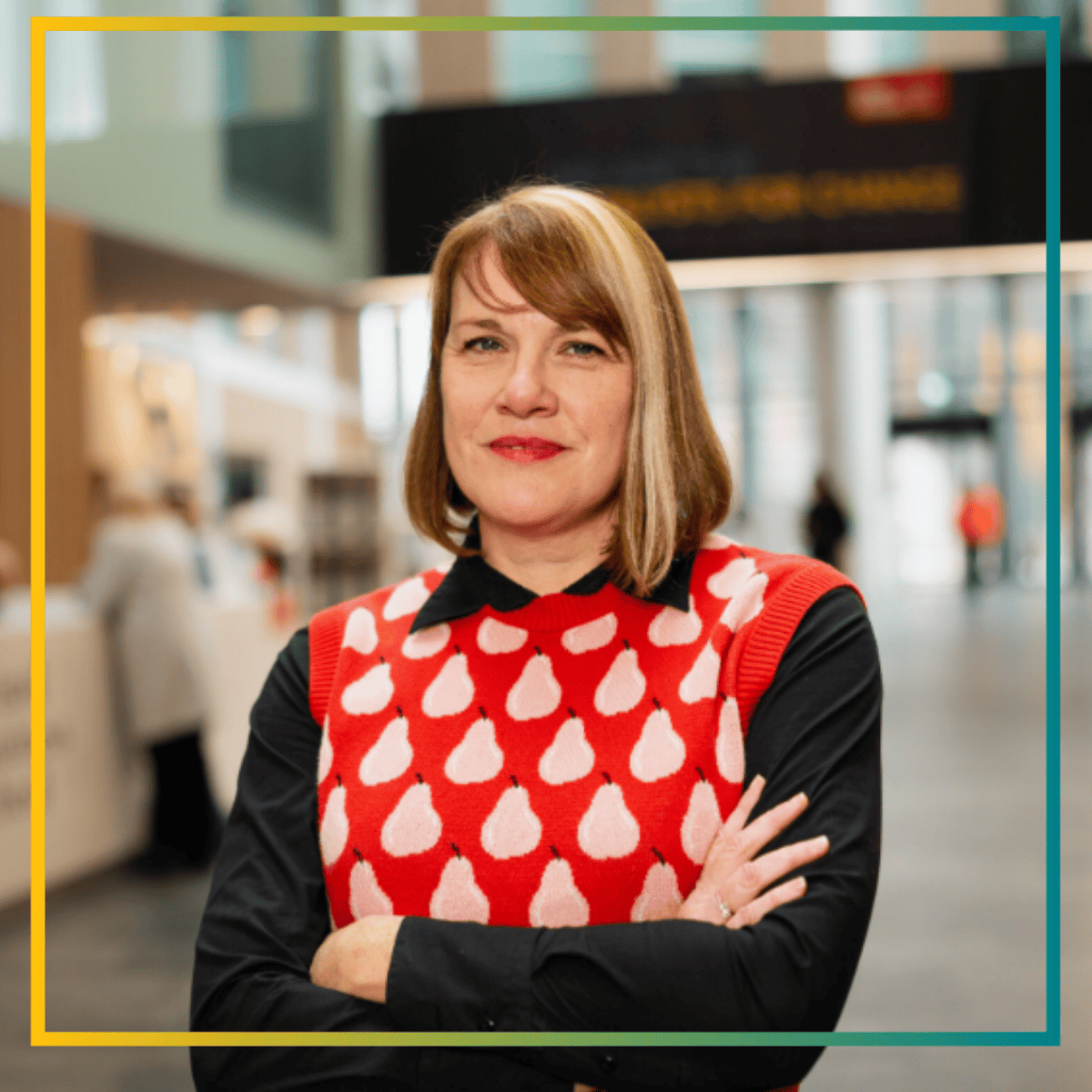
“The work I do is applied real world change, in sexual health and sexual violence. We work with – and for – groups whose voices are seldom heard.”
Dr Jane Meyrick, Associate Professor in Health Psychology
I work closely with minoritised communities around their sexual health and on marginalisation through sexual violence. Recent BMA award winning work has been with young survivors of sexual violence.
Collaborating with local partners, the Greenhouse and the Bridge SARC via Bristol Health Partners Sexual Health Improvement Health Integration Team (SHIP HIT), we set out to put survivors of child sexual abuse in charge of improving sexual health services for survivors like them in the city.
Their voice, their path
We supported young survivors to redesign the way that their treatment worked. We paid attention to power dynamics to ensure real co-production. We produced a new patient pathway guided by a kind of a passport or map to help children, young people and their carers find their way through the service, through the journey.
The map showed them all their options and put them in charge of decisions about where they could go and what it was like. We used bitesize videos to show them what they could expect, what the sexual health clinic looks like, who you’ll be meeting, here’s the room, here’s the process. For all of us involved, it was – always is – about finding the options that they like, what’s going to work for these young survivors.
More power to the individual
Throughout the design process, we used safe, trauma informed art based methods to uncover what survivors needed from a service. The young survivors designed different characters and imagined what each would need. At the end, we also asked them to tell us how to evaluate the work, if it was for them, what do they think success looks like.
For me, it’s about giving power to these unheard voices and in the case of trauma survivors, the process needs to be restorative, giving them back voice and options. And I guess that’s the thread in my work. I’m passionate about listening to people to find out what they need – not what we assume or think they need. That’s so important.
This is true across a range of groups I work with, there’s never one answer. I have other research students working with minoritised groups including black men in London telling us what they need from sexual health services, sexual violence survivors telling us what stops them using healthcare and what support male sex workers need. We are looking for funding to build a digital community around their sexual needs. The latest project I am working on is to get refugee and asylum seekers better served by sexual health and gender-based violence services.
Trusted to make a real difference
I love what I do. I really love listening to people’s stories – and helping to tell them, to share them. It’s an honour in many ways. But there’s real responsibility too. I work with groups that have often suffered trauma. And so it’s incredibly important that these survivors can see that their stories making real world change. I recently handed over £2000 in BMA prize money to the young survivors at Greenhouse who co-produced the patient pathway and they will decide how to spend it.
Because that’s what it’s all about. What we do has to make a change. It has to result in improvements. So yes, I tell my students that we’re here to change the world. Not just here to find out about it, but to make it better.
Contribution to the UN 2030 sustainable development goals
UWE Bristol is proud to align our research to the UN sustainable development goals. The above research aligns with the following goals: