“Research within the Science Communication Unit focuses on the interface between science and society, whether that’s journalism, science centres, citizen science or the myriad ways that we can bring researchers together with members of the public. We are particularly interested in the way our research makes it into everyday practice and our teaching.”
Dr Emma Weitkamp, Professor in Science Communication and Co-Director of the Science Communications Unit
Dr Clare Wilkinson, Professor in Science Communication and Co-Director of the Science Communication Unit
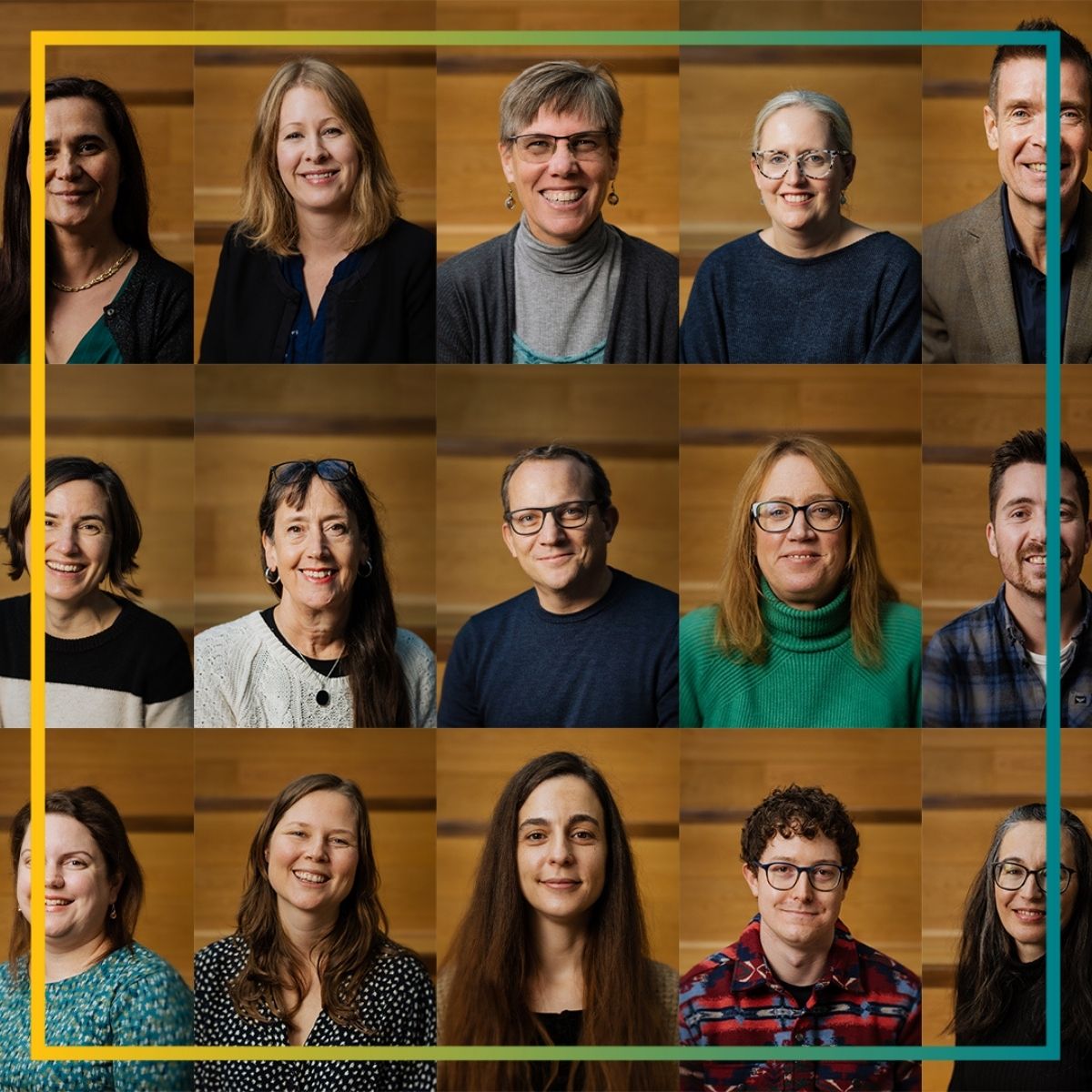
The Science Communication Unit (SCU), a UWE Bristol research centre, focuses on research, teaching and practice. As a research centre, our scope is quite broad, with research interests that span a range of science communication practices, from journalism to citizen science, festivals to co-production, as well as interests in cross cutting themes such as inclusivity, ethics and identity. Within the SCU, we also have interests that cross many research disciplines, from engineering to environmental science, education and the arts.
We also run a Masters in Science Communication. As well as embedding our research within our taught programmes, we are keen to work with science communication practitioners to ensure research is relevant and actionable. And we’re all about how our work makes it into everyday practice, everyday teaching, and embedding it within our training offering.
Real world relevance
As Emma says ‘Within my own research. I’m really interested in how and where the research I do – the research our unit does – can be taken and applied by people working specifically in science communication, which is often journalists. But it can also be people in policy, museums, public relations or even the arts.
‘But where I see my greatest impact is in teaching and training. Here, I’m directly taking research to people who can use it. And I’m always thinking about what it really means for someone who’s doing science communication.’
A key question for the unit, then is how can we apply research to inform practice and to inspire and empower the next generation? It’s our students who will change society for the better.
Established and growing
Science communication at UWE Bristol is on the cutting-edge. We have one of oldest science communication programmes in the UK, probably in the world. We have a long track record of leading the way – and we plan to keep leading the way. For some that will mean coming to study with us, but for others it will be considering how they can access our work in different ways.
Clare said ‘In addition to doing lots of exciting and interesting research it’s important we share it. For some projects that might be through blog posts, or magazines aimed at professional communicators. In other projects we might be conducting webinars or sharing key findings via YouTube. We’re also very proud that the unit has a great track record in publishing its work, be that through articles in the key international journals in our field, or through creating readable and contemporary books and resources that our students can also learn from.’
We want the Science Communication Unit at UWE Bristol to continue to be the go-to place – whether that’s for students looking for a stimulating, quality postgraduate course, organisations looking for continuing professional development programmes or researchers looking to partner with one of the leading science communication research centres globally to enhance the quality of their work, and ultimately, make a difference to some of the complex issues society faces. As Emma and Clare say, ‘these are the main things that drive us and our work forward’.
Contribution to the UN 2030 sustainable development goals
UWE Bristol is proud to align our research to the UN sustainable development goals. The above research aligns with the following goals: