Guest blog by Susannah Deane, Research and Development Bid Writer (Social Sciences) at UWE Bristol
On 30th September 2026, the Economic and Social Research Council (ESRC) held a virtual town hall to discuss changes to their funding schemes. With the closure of the current applicant-led schemes (Responsive Mode, New Investigator, and Secondary Data Analysis) on 4th November 2026, ESRC has recently announced a suite of new grants with two – Connect and React – already launching earlier this year. In the webinar, ESRC Executive Chair Stian Westlake and Executive Director of Research Jen Gold gave more details on the three new schemes opening over the next six months: Grow and Explore (opening 5th November) and Challenge (opening spring 2027).
Headline takeaways
More flexibility in terms of budget and the types of activities that researchers can undertake under the new schemes
Retained commitment to supporting early career researchers (ECRs)
Focus on novelty, pushing boundaries, and responsible risk-taking
Reduced emphasis on short-term impact
Decreased assessment time
ESRC have stressed that UKRI’s new strategic framework continues to have curiosity-driven research at its heart, and they hope that the new schemes will provide more freedom for applicants to propose the kind of approaches that they see fit. ESRC are keen to avoid inadvertently concentrating funding in certain areas, and there is a greater emphasis on supporting work that is at the knowledge frontier, even if the impact is more distant. They are also experimenting with ways of speeding up funding processes and making the process simpler for both applicants and reviewers.
New schemes Grow, Explore, and Challenge will be launched on an always-open basis with rolling assessment.
Grow (18mths-5yrs; £100-500k)
The Grow award will be focused on researcher development, whether at an early or later career stage. It is intended to support a dynamic, flexible, and internationally competitive social science research base that can anticipate and respond to emerging priorities, technologies, and opportunities, by supporting researcher development at key career points.
A core component of this scheme is to support those starting their careers to gain experience in leading and managing a research project. Grow will also support established researchers to develop in new directions, either by applying their expertise in a different social science discipline, or by gaining and using advanced skills to drive innovation in their own field (e.g. training in data analytics techniques; using new AI technologies). With this in mind, Westlake emphasised that applications will be assessed on their own merits, rather than being compared with one another across different career stages.
Explore (up to 5yrs; £300k-2M)
Explore is being launched in recognition of the important role that small teams play in driving growth through research. This scheme focuses on supporting innovative and disruptive ideas, and encourages ambitious ideas that push disciplinary, methodological, and conceptual boundaries. Research evidence – especially from the Metascience Unit – points to the important role that small teams often play in fostering new directions in research across many different disciplines. ESRC have stressed that there is still space to have a diversity of expertise in a small central research team, and there are specific other roles which may also be included in the proposal. Projects can include international co-leads, or collaborations with business, government, or third sector in different ways.
Challenge (up to 5yrs; £2-10M)
The Challenge award will launch in spring 2027, supporting ambitious programmes of research, innovation, or infrastructure that require experienced leadership and vision to deliver tangible impactful outcomes on complex challenges facing the economy, society, and the research system. The scheme will focus on bringing together diverse expertise to build capability, and will welcome applications from large teams. While this fund will take on some of the aspects of the previous research centre grants, it will also be open to fund different types of endeavours including large research programmes, networking schemes, and field-building at scale. With this fund, ESRC are looking to fund large projects that are making an ongoing contribution, and they will be looking for specific standalone, time-bound projects. More details on this scheme will be released in later 2026.
ESRC’s commitment to early career researchers remains pivotal: note that opportunities for ECRs are not limited to the Grow awards; ESRC are keen for ECRs to be part of teams in the Explore and Challenge funds too.
Assessment & grant processing times
While the Connect pilot used distributed peer review in the assessment process, the three new awards will be based on expert peer review and moderating panels, with the opportunity to respond to peer reviews as under the current schemes, and ESRC making final funding decisions. Westlake noted that they will be taking a portfolio-based approach to final funding decisions to ensure a diverse range of funded projects, and to enable a balance of ECR and more experienced researchers to receive funding.
In addition, ESRC are working to deliver on UKRI commitments to reduce grant processing times; with that in mind, decisions for Grow and Explore awards will start to be made in spring 2027. [There is currently no demand management planned for these schemes.]
Intellectual novelty & impact
Recognising the limitations of overly focusing on short-term impact, ESRC will move away from selecting only projects that are both high short-term impact and score highly on curiosity-driven research and intellectual novelty. Instead, they aim to provide a space for projects that are primarily about pushing the knowledge frontier, where the contribution to impact may be some way down the road and not achieved within the project itself, in addition to continuing to fund good projects that are highly impact-driven. Remember that it is still extremely important to discuss the impact of your research, even if the timeline for this is longer.
Connect & React pilot awards update
With Connect and React awards having already launched earlier this year, ESRC will be reviewing these pilot schemes through to spring 2027. The expectation is that these schemes will be relaunched in 2027, but we may see some adjustments following the review period.
Keep an eye out for webinar announcements, as ESRC will be giving updates on the schemes in due course.
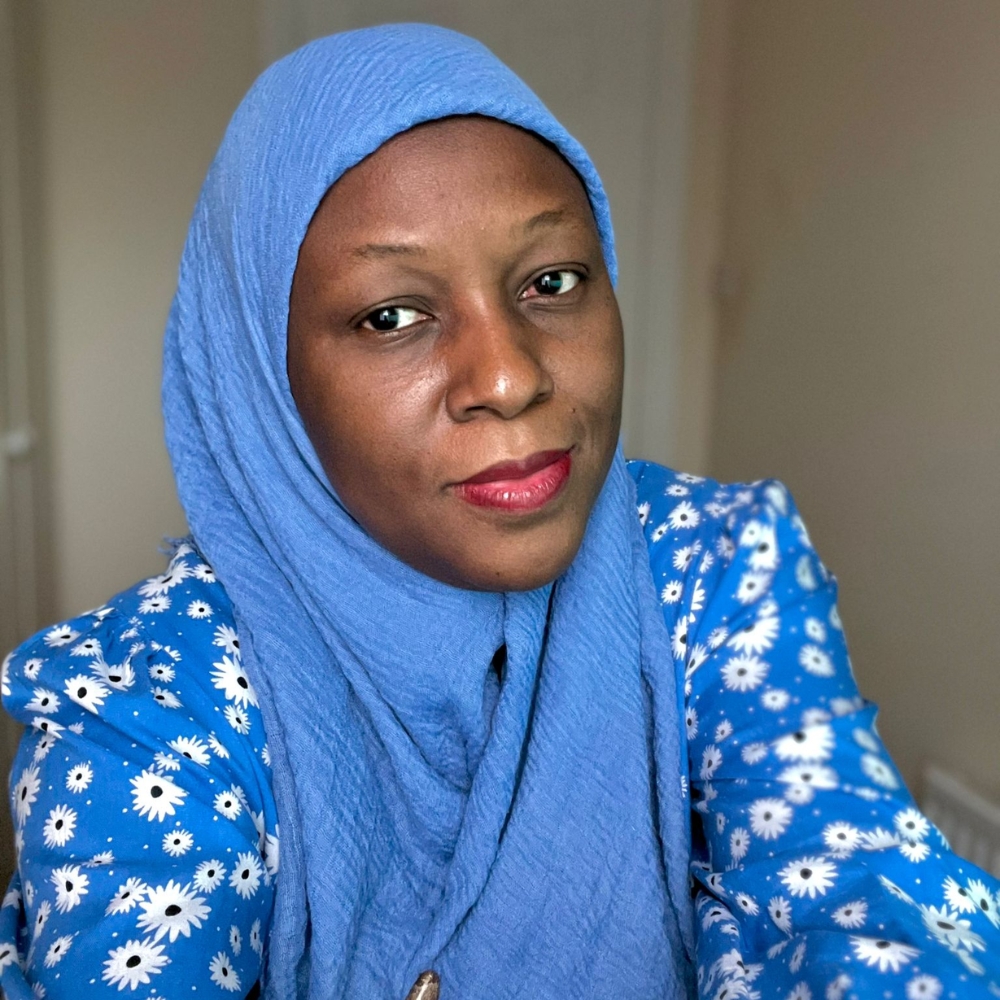
Professor Faatihah Niyi-Odumosu is a medical doctor and Professor of Physical Activity, Ageing and Community Health at UWE Bristol. Specialising in preventive medicine, she develops evidence-based, culturally tailored lifestyle interventions for older adults, global majority(Black and Asian communities) and people living with chronic conditions. Her work has gained international recognition for its excellence in knowledge exchange, community-based participatory research and cross-sector partnerships across the UK, Africa and the Middle East. Here, Faatihah shares more about her research, what she is most proud of and her plans for the future.
Rethinking Who Research Is For
My research focuses on reducing health inequalities through physical activity, community engagementand inclusive research. I work particularly with older adults, Black, Asian and other minority ethnic communities, women, and people living with long-term conditions such as chronic kidney disease – groups that are often under-represented in research and underserved by health systems.
My specialism is preventive medicine, bringing together physical activity, exercise physiology and health outcomes across community and clinical settings. I design evidence-based lifestyle interventions that are culturally tailored, sustainable and co-designed with the people who will use them, including patients, people receiving care, communities and healthcare professionals.
My expertise spans community-based participatory research, patient and public involvement, rehabilitation research, co-design of interventions for chronic conditions, and global health research exploring climate change and kidney health.
The Hidden Cost of Working Outdoors
One of my current areas of work explores howheat stress affects kidney health among outdoor construction workersin the UK and Nigeria. This combines research, stakeholder engagement and knowledge exchange to better understand this important occupational and global health challenge and co-develop interventions to reduce the impact of heat stress on kidney health.
A Movement in the Making
I am proud of founding Ageing Lifestyle in Blacks and Asians (ALIBSA) in 2023. ALIBSA is a global knowledge-exchange and community-engagement programme with more than 300 community members in the UK and internationally. Its purpose is toadvance health equity through culturally tailored health literacy, improve access to healthcare and increase community participation in health and ageing research.
I am also proud of contributing to institutional change at UWE Bristol. I co-lead the Black Professoriate Group, an initiative established to address the under-representation of Black professors at UWE Bristol, and I co-coordinate the Africa Staff Network at UWE Bristol.
Beyond UWE Bristol, I am a Distinguished Professor of Public Health at MIVA Open University in Nigeria and an Executive Council Member and Secretary of the Low and Middle Income Research Council at the International Society for Physical Activity and Health.
Putting Ideas to the Test
Having recently taken up my full professorship, and with a strong community network already established, my next step is to work with these partners to evaluate the physical activity and health interventions we have co-developed. I aim to assess whether these approaches improve physical activity, social connection and wellbeing, while exploring how they can be implemented sustainably in practice. This will build on successful community engagement to strengthen the evidence for their effectiveness, implementation and wider impact.
From founding a global community programme to investigating how heat stress affects kidney health, Faatihah’s work is united by a commitment to health equity.
By placing communities at the heart of her research and co-designing interventions with the people they serve, she continues to shape more inclusive, culturally tailored approaches to healthy ageing in the UK and beyond.
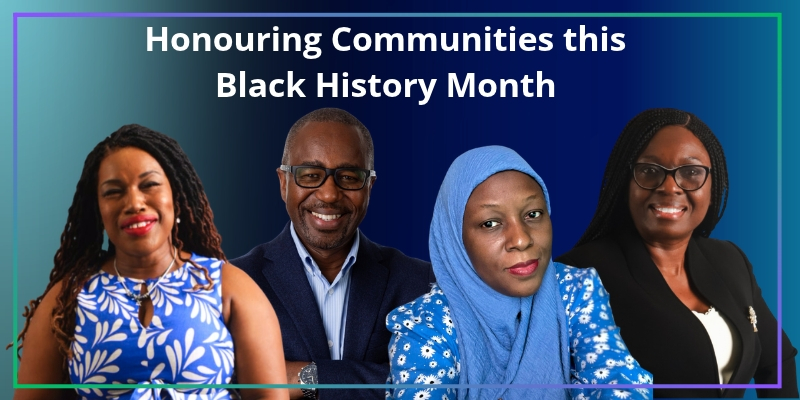
For Black History Month this year’s theme, Honouring Communities, recognises those whose contributions create meaningful change. Newly promoted UWE Bristol professors Tinkuma Edafioghor, Mwidimi Ndosi, Faatihah Niyi-Odumosu and Ifeoma Elizabeth Dan-Ogosi share how their work connects academic excellence with community knowledge to improve health outcomes, strengthen organisations and create opportunities for others.
Dr Tinkuma Edafioghor
Strengthening enterprises through people and practice
Dr Tinkuma Edafioghor is an Associate Professor in Human Resource Management at UWE Bristol, with a particular interest in organisational resilience and how small and medium-sized businesses survive, adapt and grow through challenging times.
Published in leading international journals, including Human Resource Management, her research explores how people and HR practices build organisational resilience.
Additionally, Tinkuma leads a project funded by the Equality, Diversity and Inclusion Caucus (EDICa), with UKRI and British Academy support through Heriot-Watt University, examining how hybrid working affects Black women academics’ productivity, visibility and career progression. She also founded the Black Business Leadership & Growth Partnership for the West of England, which gives Black-led small businesses practical, research-informed support in leadership, resilience and growth. For Bristol’s Black Small Business Show, Tinkuma delivered the webinar “Understanding Business Resilience: Why Some Businesses Survive and Others Don’t”, sharing practical insights with local Black business owners. Her guiding principle:
For me, research should not just sit in journals. It should make a real difference to people, organisations and communities.
Mentoring, faith and community support
Through the Network for Black Women Leaders (NBWL) and the alta mentoring platform, Tinkuma supports women’s leadership and career progression. As an alta steering-group member, she helps expand the platform across aviation, aerospace and space. She also co-founded the Safe Space Initiative for Black Women in Higher Education, a national network launched at UWE Bristol in September 2026 where Black women in academia can connect, share experiences and support one another, with plans to reach more people across the sector.
In Bristol, Tinkuma serves the Redeemed Christian Church of God, Glory of God Parish, as Assistant Pastor, Sunday School teacher and Minister in Charge of Evangelism, Community Outreach and house caring fellowships. She mentors young people and emerging church leaders, and coordinates support for vulnerable community members through activities including coffee mornings and food donations. She also helps international students adapt to UK study through informal sessions on the academic system, essay writing, critical thinking and note-taking, recognising their varied educational backgrounds. Across her research, mentoring, church and community work, she creates opportunities and helps others thrive.
I am guided by the African philosophy of Ubuntu, the idea that our humanity is connected and that when we lift others, we all rise together.
Prof Mwidimi Ndosi
Putting patient priorities at the heart of care
As Professor of Rheumatology and Health Outcomes, Mwidimi Ndosi connects clinical research with patients’ priorities. He develops and validates patient-reported outcome measures and supports self-management for people with long-term rheumatic and musculoskeletal conditions.
I am interested in ensuring that patients’ perspectives are incorporated into the development and evaluation of healthcare interventions, and that research findings can be translated into meaningful improvements in clinical practice and outcomes that matter to patients.
Mwdimi recently completed a four-year term as Chair of the Health Professionals Committee of the European Alliance of Associations for Rheumatology, contributing to European work on education, standards of care and advocacy. The role reinforced his commitment to multidisciplinary working and to ensuring accessible, evidence-based and person-centred care for people living with rheumatic and musculoskeletal conditions.
Opening doors through knowledge and representation
For Mwdimi, honouring community means contributing through service, mentorship and making health knowledge accessible beyond academia. He supports rheumatology education and capacity-building where specialist services and learning opportunities are limited. In Tanzania, he helps educate health professionals, provides information to patient groups and, with local colleagues, highlights the need for stronger professional education, patient support, research and rheumatology services. This work reduces barriers to knowledge and builds sustainable local capacity.
For me, academic citizenship means using my experience and position to help create opportunities for others.
Mwidimi also shares research and health information through mainstream and digital media, including BBC Swahili, helping to make evidence more accessible to diverse audiences. In addition he volunteers with parkrun to encourage physical activity and wellbeing across different ages and abilities. Within higher education and research, he mentors early-career researchers, clinicians and aspiring academics, helping them gain the confidence, skills and opportunities to progress. His own path from nursing to professorship was not straightforward. As a Black academic and nurse, he has seen the value of representation, opportunity and encouragement, strengthening his commitment to those underrepresented in senior roles.
Prof Faatihah Niyi-Odumosu
Expanding participation in active, healthy lives
Faatihah Niyi-Odumosu is a medical doctor and Professor of Physical Activity, Ageing and Community Health at UWE Bristol, as well as a Distinguished Professor of Public Health at MIVA University, Nigeria.
Her research develops physical activity interventions with underserved groups, including older adults, global majority Black and Asian communities, Muslim women and people with long-term conditions such as chronic kidney disease (CKD), in an effort to tackle health inequalities.
My work is participatory and co-designed, and it advocates for greater inclusion in health research and clinical trials.
Faatihah has secured about £3 million in Research and Knowledge Exchange funding from the Medical Research Council, Medical Research Foundation and Innovate UK. Her projects include Fitbees, a digital service helping South Asian older adults and adults with learning difficulties stay active and connected, and Family Backyard Cricket, which promotes intergenerational activity and social cohesion in South Asian and Black families. She is currently working on C2REST, a longitudinal study of the effects of climate change and air pollution on respiratory health in urban and rural Nigeria. Faatihah is also Associate Editor of the Journal of Physical Activity and Health and Secretary of the low- and middle-income country International Society of Physical Activity and Health Research Counciln (LMICISPAH).
From evidence to everyday impact
Faatihah founded Ageing Lifestyle in Blacks and Asians (ALIBSA), a global knowledge-exchange and research-engagement programme that improves health literacy and confidence in accessing services among ageing Black and Asian communities. Since 2023, it has offered free monthly webinars on ageing and healthy living across several continents.
She also established FaithFit, which equips multifaith leaders to promote physical activity, and the Renal Health Initiative, which supports CKD awareness, prevention and treatment through faith-led outreach in Nigeria, where one in ten adults is affected. In 2025, the initiative screened more than 200 people and referred 30 for further investigation. She later led the CoolKidney workshop with stakeholders and outdoor workers on heat stress and kidney health, alongside a related UK study funded through BNSSG ICB research capability funding with UWE Bristol colleagues in Architecture and Built Environment and Engineering.
I believe research has its greatest value when it improves lives, so much of my work extends beyond the university into communities locally and globally.
Mentoring is central to Faatihah’s work through the Royal Society Career Development Fellowship, Commonwealth Scholarship Commission and UWE Bristol Women Researchers’ Mentoring Scheme. She hosted a grant-writing workshop for Breaking Barriers for Black Academia and runs “Dragons’ Den: Nurturing Research”, where early-career researchers in the Global South pitch ideas and receive feedback and mentorship through her ISPAH role.
At UWE Bristol, she co-leads the Black Professoriate Group, coordinates the Africa Staff Network and serves as EDI co-lead for the School of Applied Sciences. Her work has received the UWE Bristol Community Impact Staff Award and Black Hall of Fame Award.
Dr Ifeoma Elizabeth Dan-Ogosi
Creating inclusive classrooms where students thrive
Ifeoma Elizabeth Dan-Ogosi is an Associate Professor in Public Health and Social Justice in UWE Bristol’s School of Health and Social Wellbeing, where she leads the MSc Leadership for Public Health and the Public Health Leadership and Management apprenticeship module.
After training in microbiology and working in sales in Nigeria, Ifeoma rebuilt her career in the UK through health research and higher education, completing her PhD in 2023 while working full-time. This journey informs her commitment to creating classrooms where every student can belong and succeed.
In May 2026 I gave the closing keynote at the Global Empowerment and Inclusion Summit at the Palais des Nations in Geneva. In September I gave a TEDx talk in Abuja. The title was: The Girl They Silenced, Built the Room Anyway. Neither of those stages was on anyone’s plan for me – including mine. This is the story of what I built when the system said no.
Across sixteen years of teaching and research at four UK universities, Ifeoma developed the Transformative Multicultural Classroom (TMC) model, drawing on Freire, bell hooks and Patricia Hill Collins to embed cultural and psychological safety in everyday practice. Modules taught through TMC achieve first-sit pass rates of 98.8–100%, with students from Global Majority backgrounds making up 60% of high performers. These results are proof that when belonging is embedded into the structure of education, outcomes improve for everyone. The University of Southampton has adopted the model within its Postgraduate Certificate in Academic Practice, and it is also being implemented at the University of Gloucestershire, University Centre Weston and UWE Bristol. Ifeoma is now writing a book on TMC and co-editing Public Health Leadership: Learning from Experience in the UK for Policy Press.
Building networks and widening opportunity
Ifeoma co-chairs the Steering Board of 100 Black Women Professors Now, run by WHEN Equality, and brought the programme to UWE Bristol, where it has secured funding for a further three years. Four UWE Bristol participants have since been promoted: three to Associate Professor and one to Professor. Alongside Tinkuma, Ifeoma co-founded the Safe Space Initiative for Black Women in Academia, with the motto “Connected, supported, thriving”. She also leads InspireHerNow, a women’s empowerment initiative, and a Black and Menopausal group supporting Black women experiencing menopause.
I describe myself as a Positive Disruptor and a Relentless People Connector. I challenge what holds people back, and I never stop bringing people together, because I believe progress happens when people are connected, championed and lifted up.
Since 2018, Ifeoma has mentored more than 50 early-career academics and PhD students across six universities and serves on the steering board of PhD Beyond 50s, where she also contributes her qualitative research expertise to its seminars.
At UWE Bristol, Ifeoma contributed to the anti-racism strategy and champions student success, disability access and widening participation. She also initiated and co-led the African Cultural Showcase, (with Dr Chizoba Esio-Bassey, Diana Peprah and Chinedum Ekene Samuel, supported by Dr Eugie Ntekor, Isaac Anaquador, Bea Payne, Mo Ebengo and Olabimpe Adegbuyi) which brought together more than 170 staff, students and members of the wider community. She received five awards in 2025 – three for equality, diversity and inclusion, and two recognising her community service, teaching and learning, and research. Subsequently she has been named a Role Model Future Leader in the INvolve People Awards.
What connects all of this is a single conviction: the system changes when the people it excluded come back and build the room anyway. That is what I am doing. And I am just getting started.
Together Professors Edafioghor, Ndosi, Niyi-Odumosu and Dan-Ogosi exhibit how research, leadership and service can create lasting change when communities are placed at the heart of these endeavors. By sharing knowledge, widening opportunities and supporting others to thrive, they embody the essence of Honouring Communities and are helping to build a more inclusive future.
Keyowa is an award-winning sci-health-tech innovation company that combines scientific expertise, creativity and emerging technologies to develop solutions to real-world challenges.
Keyowa works at the intersection of science, design and technology. They collaborate with researchers, universities, healthcare organisations and businesses to transform complex ideas into innovative products, experiences and solutions. The company’s work spans storytelling, interactive learning, digital product development and technology-led innovation, using tools such as animation, augmented reality (AR), virtual reality (VR) and extended reality (XR). Alongside commissioned projects, Keyowa is developing its own products and exploring new opportunities across STEM, healthcare and education.
Keyowa’s belief is simple: ground-breaking ideas should not remain confined to laboratories or academic journals. They should inspire curiosity, create opportunities and make a meaningful difference in people’s lives.
Closing the Gap Between Innovation and Impact
Despite significant investment in research and innovation, valuable knowledge and discoveries often struggle to reach the people who could benefit from them. Complex information, traditional approaches to communication and limited opportunities for meaningful engagement can create barriers between innovation and its intended audiences.
At Keyowa, these barriers are seen as opportunities to think differently.
Keyowa brings together scientists, creatives, designers and technologists to approach challenges from multiple perspectives. Rather than starting with a technology, the team begins with the problem, the people involved and the impact it wants to achieve. This might involve transforming complex research into an engaging experience, developing an interactive educational tool or prototyping an entirely new solution.
What makes Keyowa’s approach distinctive is the combination of scientific understanding, interdisciplinary collaboration and creative problem-solving. The team also believes accessibility and inclusion should shape innovation from the beginning, not only considered afterwards. For Keyowa, innovation isn’t simply about creating something new. It’s about creating something that makes a meaningful difference.
Where It All Started
Keyowa began with a simple conversation between friends at UWE Bristol.
One of Keyowa’s co-founders, Dr Oluwadamilola Okeyoyin, had spent years conducting doctoral research in Biomedical Science. While the findings were exciting, communicating them beyond academia presented another challenge entirely. Fellow co-founder Tughu Aiyewa asked one question: “What if we could bring your PhD to life?”
That question became Keyowa’s first experiment.
With support from the UWE Bristol’s Integrated Care Academy, the team transformed complex doctoral research into a three-minute animated film, demonstrating how science and creativity could make research more accessible.
That project became the foundation of Keyowa.
What began as one project quickly grew into a bigger vision. Keyowa’s From Leaf to Lens project expanded into interactive experiences using augmented and virtual reality, showing the team the potential of combining scientific expertise, creativity and technology to develop innovative solutions.
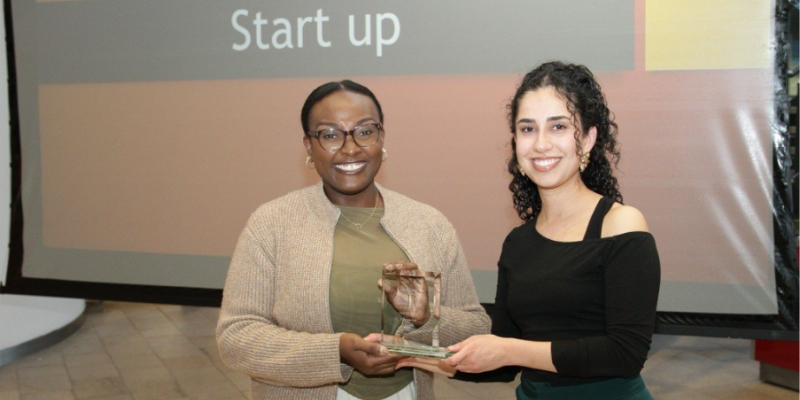
In April 2026, Keyowa was honoured to receive the Medilink South West Start-Up Award. As a young company working at the intersection of sci-health and tech, recognition within the health and life sciences innovation sector was incredibly encouraging. It affirmed the company’s direction and inspired the team to think bigger about what Keyowa could become.
Since then, Keyowa has continued developing its own technology prototypes, expanding its interdisciplinary team and building new collaborations. A particularly rewarding milestone was welcoming two UWE Bristol student interns during summer 2026, through opportunities supported by the UWE Bristol Integrated Care Academy. They contributed to real creative technology projects, developing practical skills while bringing fresh ideas and perspectives to the team.
More recently, Keyowa delivered an interactive session at the Association for Science and Discovery Centres (ASDC) National Conference in Cardiff, connecting with professionals across the science engagement sector. Today, based in the UWE Bristol Launch Space, the team is building on these experiences to develop Keyowa into a company that goes beyond communicating science to creating innovative solutions, and it is only getting started.
The team is incredibly proud of how far they have come, but are even more excited about where the company is heading.
What’s next for Keyowa?
Keyowa is building the future it wishes already existed.
Keyowa’s ambition is to grow into a recognised innovation company. Alongside expanding its partnerships across healthcare, academia and industry, the company is investing in its own product development capabilities, moving beyond individual projects to create technologies that can be tested, refined and adopted across different settings.
Keyowa is also passionate about changing how organisations approach research engagement. Rather than treating communication and accessibility as something to consider after research is complete, the company wants to embed creative thinking, technology and public engagement from the earliest stages of innovation. Imagine a researcher applying for a grant already knowing how their work will reach the wider public. That’s the shift Keyowa wants to help create.
Supporting emerging talent will remain important. The company hopes to create more opportunities for students, graduates and early-career professionals to contribute to meaningful innovation projects.
For Keyowa, technology is never the end goal. It’s a tool for creating solutions that help people understand, connect and make a meaningful difference.
Get involved
Keyowa is always keen to collaborate with researchers, educators, healthcare organisations, charities, businesses and innovators who want to approach challenges differently. Whether the aim is to communicate complex research, develop a new product, explore emerging technologies or co-create an innovative solution, the team would love to connect. A fully formed idea isn’t needed, and neither is knowing which technology might work best. Some of the most exciting innovations begin with a question or a challenge that needs a fresh perspective.
For anyone who has ever thought, “There must be a better way to do this,” think Keyowa.
Many stroke survivors become less active after discharge from formal rehabilitation despite evidence that ongoing exercise improves mobility, independence, fitness, and reduces the risk of further stroke. Interviews with participants from the Bristol After Stroke (BAS) Next Steps programme revealed a strong desire for continued rehabilitation support, while carers reported feelings of abandonment and uncertainty about how to support recovery at home. The project was developed to address this gap by providing accessible, long-term rehabilitation opportunities within the community.
Rehabilitation Exercise Videos (REVs)
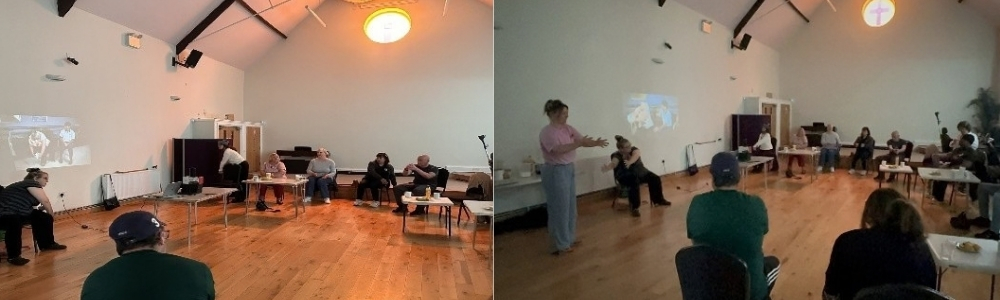
The programme builds on UWE Bristol and BAS’s established Next Steps rehabilitation classes and uses therapist-developed rehabilitation exercise videos (REVs) that have been co-designed with stroke survivors. Trained BAS group leaders and support workers deliver structured exercise sessions within community stroke groups, supported by guidance from a physiotherapist. The programme includes chair-based and functional exercises, written resources, safety guidance, and home-based exercise materials to encourage ongoing participation in rehabilitation beyond formal services.
Fostering Community
Unlike traditional therapist-led programmes, this model empowers trained support workers, volunteers, stroke survivors and community group leaders to facilitate exercise sessions within existing stroke support groups. The approach combines rehabilitation, peer support, social interaction, and education in familiar community settings. It encourages stroke survivors to remain active, learn from others with shared experiences, and access ongoing support without relying solely on NHS services, making rehabilitation more sustainable and accessible.
“Working alongside a stroke survivor facilitator created a supportive and inspiring environment. Participants became more confident, active, and engaged, demonstrating the potential of community-led approaches to support long-term recovery after stroke.”
Stella Fisher – Group coordinator, Bristol After Stroke
What’s the Impact?
Feedback from stroke survivors and carers has informed programme refinement and resource development. Participants reported that community exercise sessions increased motivation, confidence, social interaction, and engagement in physical activity. The project has also strengthened collaboration between UWE Bristol and BAS, created opportunities for student involvement, and generated a scalable model that could improve long-term rehabilitation outcomes while supporting NHS priorities for community stroke care.
“Facilitating the sessions was a hugely positive experience. It boosted my confidence, physical activity, and social connections, and it was wonderful to see so many participants enjoying themselves and supporting one another.”
The programme is being refined through participant, carer, volunteer, and group leader feedback, with plans for wider implementation across BAS stroke groups. Discussions are underway with the Stroke Association to distribute the programme’s resources nationally, creating the potential to extend the model beyond Bristol. Future work will evaluate effectiveness, optimise delivery, and explore opportunities for broader adoption across community stroke services, helping more stroke survivors access ongoing rehabilitation and support closer to home.
Bio
This year Praveen Kumar, Associate Professor in Stroke Rehabilitation at UWE Bristol and the Project Lead of the programme, was nominated for the JustGiving Awards. Over the years he has witnessed the number of annual referrals received by BAS rise from 180 in 2016, to now approximately 900 referrals each year. Remarkably, Praveen has helped the badminton community to raise nearly £38,000 for Bristol After Stroke.
How to get involved
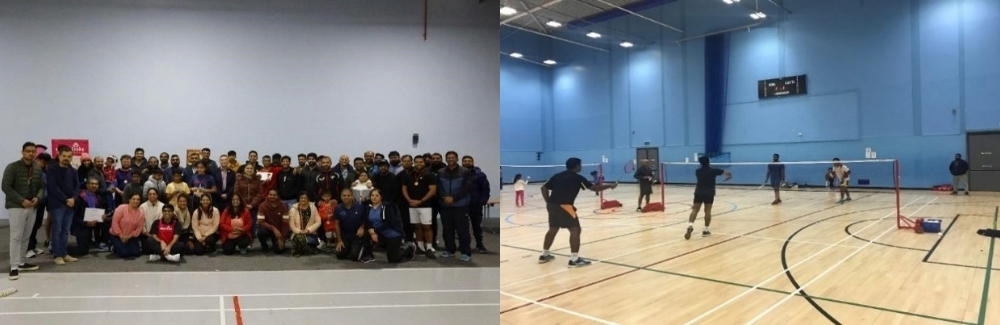
2026 marks the 9th Badminton Annual Charity Tournament for Bristol After Stroke on 21st November at UWE Bristol Centre for Sports. This year’s tournament is dedicated to the memory of Steve Miller (Occupational Therapist at UWE Bristol), and will celebrate the values he embodied: friendship, resilience, kindness, and community spirit.
This year aims to be the biggest tournament to date with 90 teams competing across four categories: Women’s Doubles, Men’s Doubles, Mixed Doubles and Children’s Doubles. The tournament will also be receiving support from the staff and students of the UWE Bristol Sports Rehabilitation team.
If you are interested in taking part in the event Praveen would love to hear from you! The tournament is designed for players who are comfortable competing at an intermediate to advanced level, so is ideal for any experienced badminton players looking for a fun but competitive day of badminton. Not a keen to play ball? The event is aiming to raise £6,500 and you can show your support by donating through the JustGiving page