

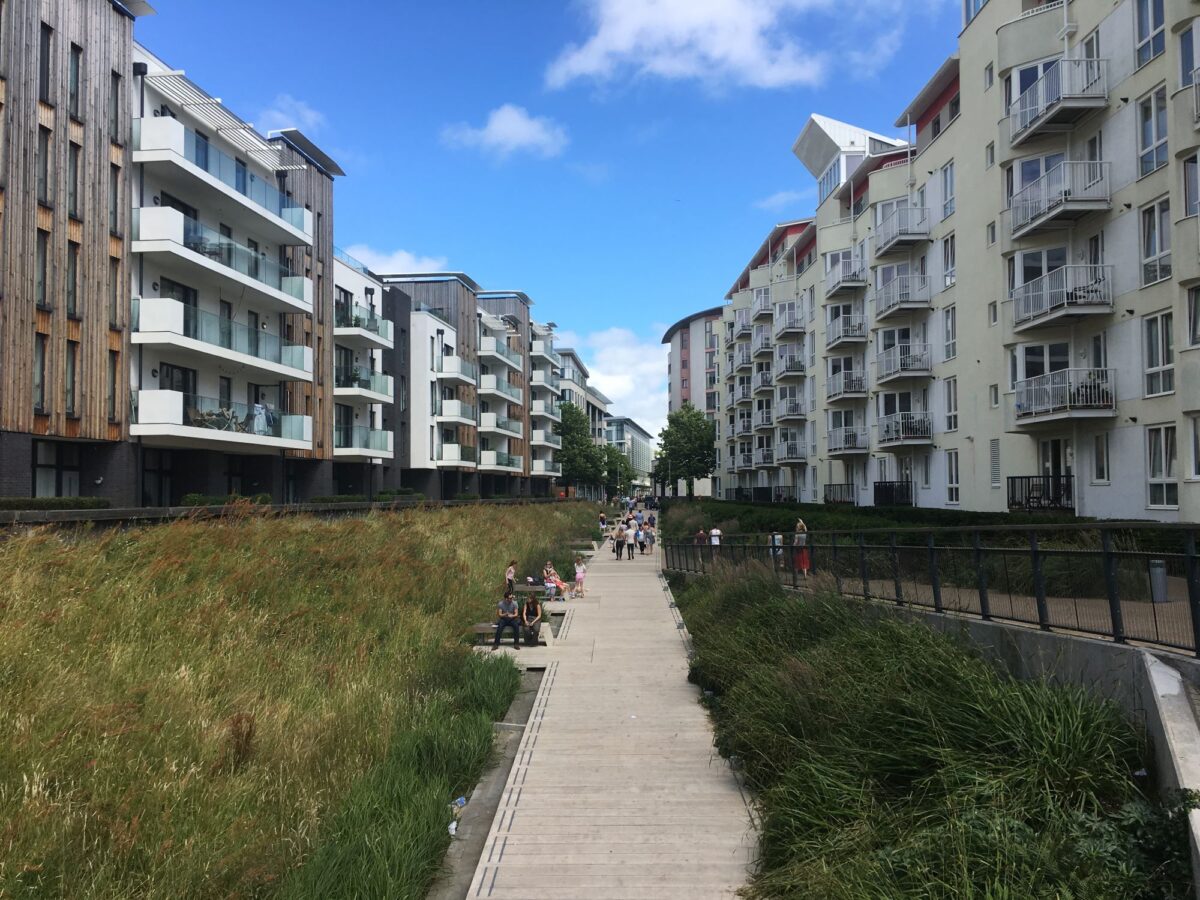
by Philippa Hughes, Danielle Sinnett and Jessica Lamond
Biodiversity loss is a global threat. Urban development is a major contributing factor to this crisis, future urban growth could destroy habitats for hundreds of species. However, new approaches to urban development could help halt, and even reverse, the loss of biodiversity and create urban spaces that are embedded in nature. As the global human population is increasingly urbanised, biodiversity in towns and cities can also safeguard access to nature and nurture human nature connections.
Research by UWE as part of the NERC/ESRC-funded BiUrbs project, has examined the factors that impact the delivery of biodiversity through urban development and redevelopment. The researchers synthesised evidence on goals, co-benefits, barriers and enablers related to biodiversity delivery through a literature review and workshops. They then assessed the importance of these for stakeholders in England. This assessment judged the relative importance of factors and the extent to which stakeholders agreed on this.
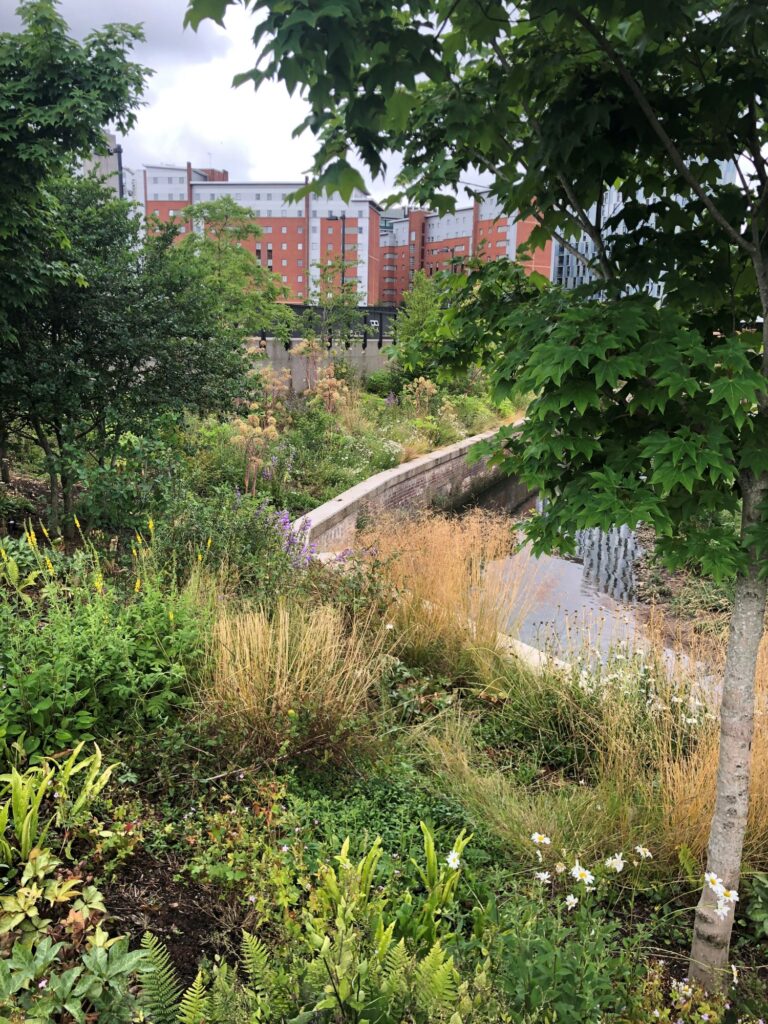
Their findings highlight an interplay between factors that stakeholders see as requirements for success. Strong policy frameworks with effective enforcement are seen as crucial. The UK’s new Biodiversity Net Gain (BNG) regulations may provide an example of this approach, where developments are required to increase biodiversity on site through development, or mitigate any loss off-site. To achieve this, stakeholders feel the sector needs significant upskilling – from designers and planners to site managers and maintenance teams. This is in line with a 2023 RTPI study that found that 81% of public sector planners felt they required further support to implement BNG. Finally, the balance of economic incentives and disincentives must make biodiversity enhancement financially viable for developers. The research highlights that the factors are interconnected. Policy imperatives will only work if professionals have the skills to implement them, while financial incentives may encourage developers to go beyond minimum requirements.
When implemented effectively, biodiversity-friendly developments can deliver multiple benefits. Stakeholders were mostly positive about the possibility for biodiversity delivery to be effectively combined with other benefits of green infrastructure, such as managing flood risk and providing amenity space, and stressed the importance of good design in achieving these aims. Stakeholders were also enthusiastic about the current level of political and public support for biodiversity enhancement and nature-friendly development. Continuing public education on the processes and merits of biodiversity protection in urban areas could help sustain positive attitudes towards changing urban spaces.