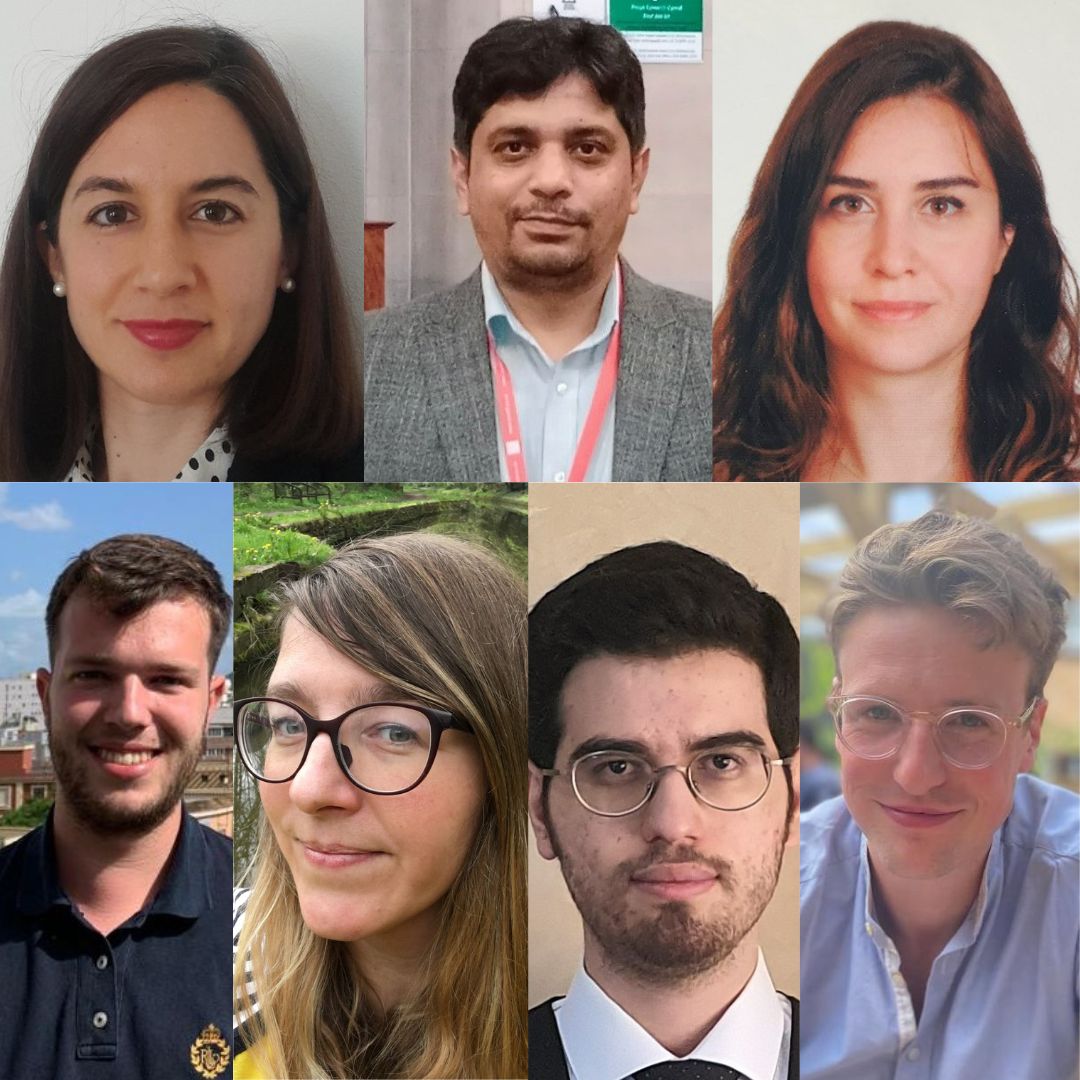
We’re happy to have welcomed many wonderful and talented new faces to the Centre for Transport and Society (CTS) team over the past year. Here’s a brief introduction to our newer members of teaching and research staff as well as our postgraduate research students.
Muhammad Adeel, Research Fellow

I joined UWE in August 2022 as a Research Fellow in Transport Analysis. At the CTS, I am working on a diverse set of interesting and cutting-edge research topics, such as, user experiences in automated vehicles, bus service reliability, and improving transport for young people in the UK.
Before joining UWE, I worked as a Postdoctoral Research Fellow at the Institute of Transport Studies, University of Leeds (2019-2020) and as a researcher at LSE Cities, London School of Economics (2015-2019). Besides that, I have worked as a professional urban planner for many years in Pakistan. I am a Member of Transport Planning Society (TPS) and Fellow of the Royal Geographical Society, UK.
Evangelia Pantelaki, Acting Senior Lecturer in Transport Studies
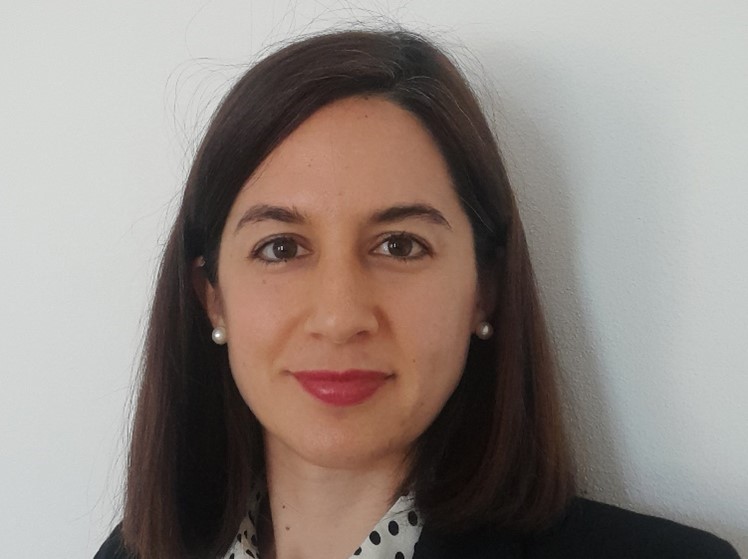
I joined UWE in September 2022 and I am currently an acting Senior Lecturer. I am a Transport Economist and hold a PhD in Methods and Models for Economic Decisions from University of Insubria (Italy). Also, I am an Associate Fellow of the Higher Education Academy (AFHEA) and I am teaching in the BA Geography, MSc Engineering, and MSc Transport Engineering and Planning at UWE.
My research interests are business aviation, air transport connectivity, sustainable aviation and air transport economics. I have participated in several applied research projects in Italy and the UK and have worked with local authorities and the UK Department for Transport on topics such as cycling tourism, sustainable transport policies, older peoples’ mobility, e-cycles and demand responsive transport.
Mel Cairns, Postgraduate Researcher
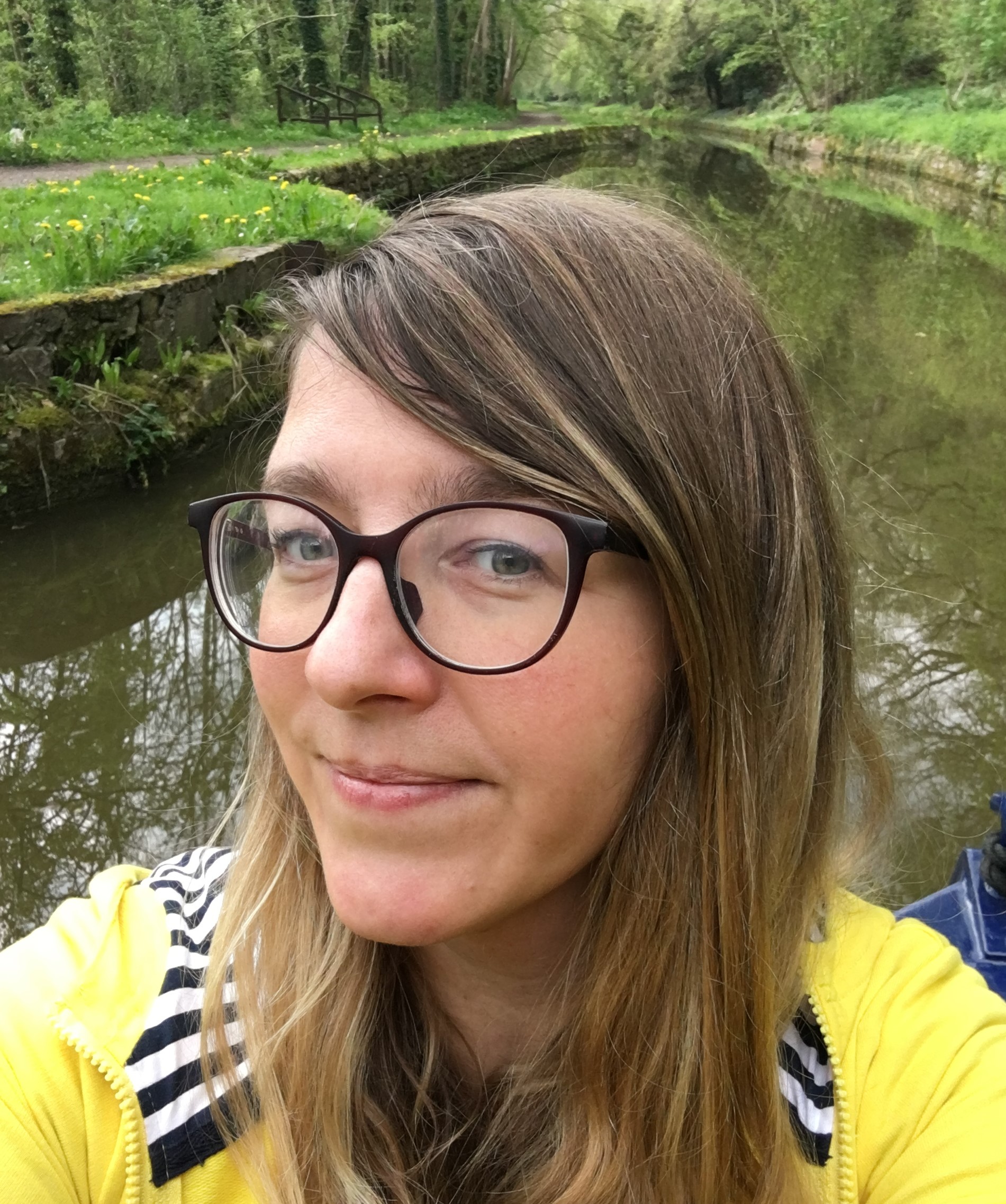
Having thoroughly enjoyed my time studying for my MSc Sustainable Development in Practice at UWE, I was delighted to return to begin studying for my PhD in October 2022.
My PhD research is concerned with nature and cycling in the West of England. In particular, I’m exploring the role of nature, and nature connectedness, in cycling practices and experiences in the area as well as the characteristics of ‘nature cyclists’ and ‘nature cycling’ journeys.
I’m interested in urban and rural active mobilities, nature connectedness and planetary wellbeing and mobility justice perspectives. I have previously worked as a researcher on place-based wellbeing projects, particularly relating to rural wellbeing and social capital.
Xabier Gangoiti, Research Associate
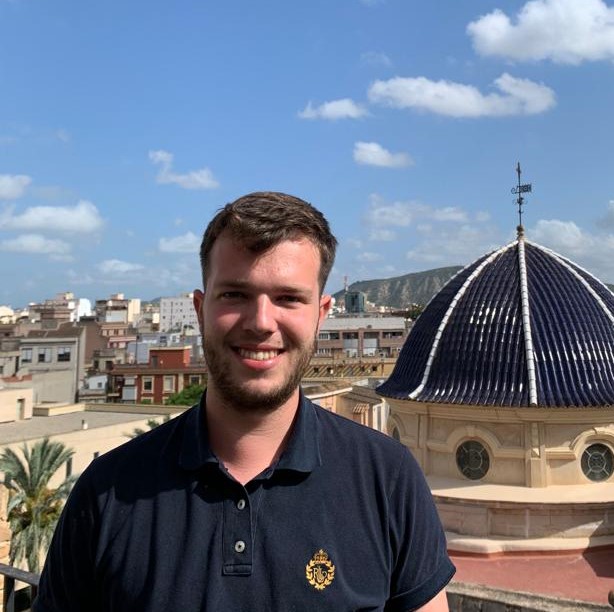
I joined the Centre for Transport and Society at UWE in November 2022 as a research trainee. In April 2023, I was offered a new role as research associate in electric automated mobility.
Even though I have a Bachelor’s degree in Economics from the University of the Basque Country, my main research focus so far has been on cities. In fact, I also have a Master’s degree in Sociology (Urban Studies) from Goldsmiths’ College.
At the Centre for Transport and Society, I am currently working on two projects: one about the problems faced by European countries regarding the mass implementation of electric vehicles, and another one involving the first electric automated bus in the UK.
Eda Beyazit Ince, Research Fellow in Active Travel and Micromobility
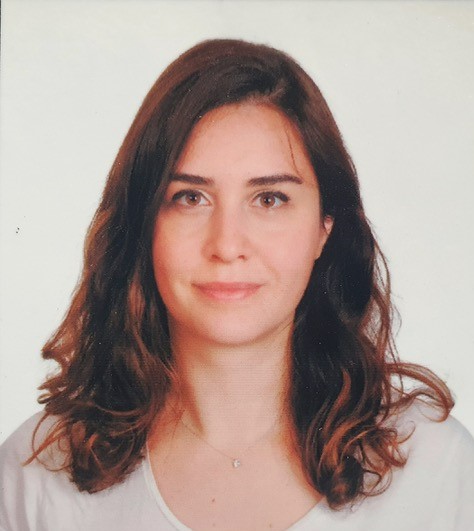
I joined UWE in the summer of 2023 as a Research Fellow in Active Travel and Micromobility at the Centre for Transport and Society (CTS). Before joining UWE, I worked as an associate professor of urban planning at Istanbul Technical University, where I also founded IstanbulON Urban Mobility Lab. I also spent most of 2022 at the University of Manchester working on the mobility practices of domestic workers as a USF international fellow.
I have a PhD in transport geography from the School of Geography and the Environment at Oxford University. I have worked as a consultant for the Istanbul Sustainable Urban Mobility Plan, Istanbul Pedestrian Master Plan, and various projects and plans focusing on sustainable mobility.
Amin Reza Omranian, Postgraduate Researcher
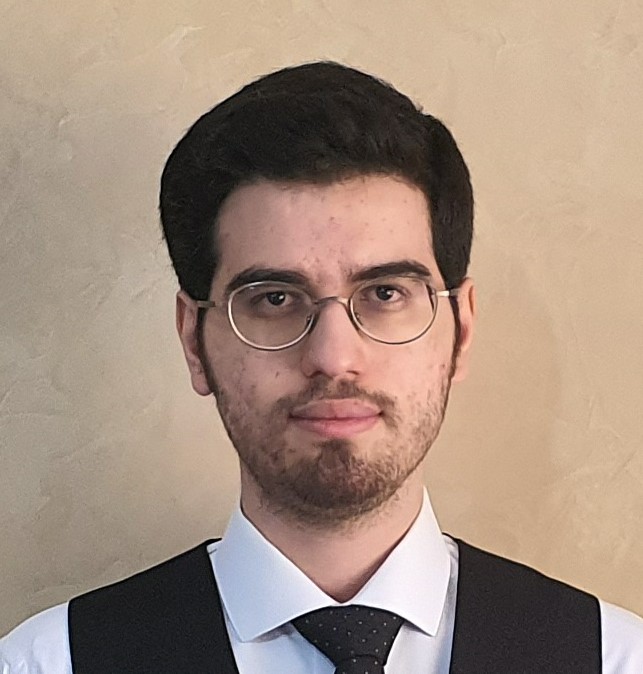
I have joined UWE in June 2023 as a PhD student at the Centre for Transport and Society (CTS) and Air Quality Management Resource Centre (AQMRC).
My research, a collaboration between the Welsh Government and UWE, focuses on scenarios for achieving Wales’s transport decarbonisation targets and modal shift. My master’s research assessed electric vehicles’ impact on greenhouse gas (GHG) emissions. I also have experience in developing a GHG emission inventory in Iran.
My primary research interests include sustainable transport, transportation emissions, and GHG emissions.
Asa Thomas, Research Fellow in Active Travel and Micromobility

I have just started at the CTS as a Research Fellow in Active Travel and Micromobility while completing the final stages of my PhD in Transport at the University of Westminster. My research to date has focused on active travel to school, School Street closures, and Low Traffic Neighbourhoods – examining the policy processes and mobility impacts of the rapid introduction of these schemes during Covid-19. I’m looking forward to continuing with some of these strands at CTS, particularly while working on the EPSRC-funded OptiWaSP project which focuses on the potential for implementing walking school busses. Prior to my PhD I studied for a masters in Urban Studies at UCL, and took my undergraduate in Social Anthropology at LSE.