New Briefing Notes support integration of nature into cycling environments and activities

Posted on

New Nature Connection and Cycling Briefing Notes have been published following a successful UWE workshop in collaboration with West of England Combined Authority.

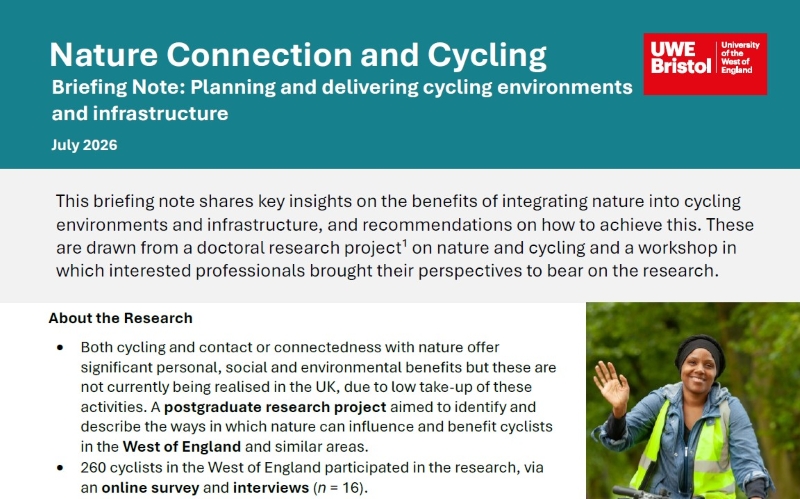
The top of the first page of one of the briefing notes.

By Mel Cairns, PGR Researcher

This blog post has been adapted from a recent post on UWE’s Centre for Public Health and Wellbeing blog.

A pair of Briefing Notes have recently been published on the UWE repository, outlining recommendations for integrating nature contact and connection into the planning, design and delivery of cycling environments, activities and promotion. The aim is to maximise the health and wellbeing benefits people can get from cycling, increase nature connection and improve cycling experiences.

The Briefing Notes were drafted based on my doctoral research about the role of nature for cyclists and a recent workshop with interested professionals, facilitated by myself, Professor Justin Spinney, and Dr. Asa Thomas from Centre for Transport and Society and Dr. Issy Bray, Director of UWE’s Centre for Public Health and Wellbeing. They are aimed at people who are working or volunteering in relevant roles, especially in the West of England and similar areas, and are available here:

Nature Connection and Cycling Briefing Note: Planning and Delivering Cycling Environments and Infrastructure

Nature Connection and Cycling Briefing Note: Planning and Delivering Cycling Activities and Promotion

Please share them with any colleagues and contacts who might be interested in using them in their work, such as urban and transport planners, designers and delivery teams, cycling campaigns, group ride leaders and anyone working in cycle promotion. A Nature Connection and Cycling LinkedIn group has been set up to facilitate the sharing of resources and case studies. Please contact me to request a link to join this group or if you have any questions about the group, Briefing Notes or the wider research.

About the research

My research formed the basis of the workshop content. The research used qualitatively-driven mixed methods to investigate and describe the role of nature in cycling experiences, outcomes and decision-making, through analysis of data generated with cyclists here in the West of England.

The research findings show that nature is a common and valued, yet underacknowledged, contributor to the wellbeing outcomes of cycling. The aesthetics, change and unpredictability of nature add interest to familiar routes and can draw attention in positive ways. When cyclists are able to notice and appreciate nature-rich environments that feel safe, they report positive experiences, ‘feeling better’ as a result. Even short sections of a route that enable these experiences can make a difference to cyclists. These positive experiences and outcomes can motivate some cycling, particularly for leisure, as well as being a factor in route choice across cycling activities. Links to conference presentations about the research can be found here: https://people.uwe.ac.uk/Person/melcairns

Workshop insights

My supervisor, Professor Justin Spinney, secured funding from UWE’s Public Engagement and Knowledge Exchange Fund, to collaborate with the West of England Combined Authority (WECA) on a Nature Connection and Cycling workshop. This involved participants from WECA, local councils, the Welsh government, the National Trust, NHS and independent consultants and ride leaders, for example. Research findings were shared with participants, who gave feedback and discussed how best to share them with relevant audiences who could apply the insights. These discussions informed the development of the briefing notes.

A key concern raised during the workshop was the importance of balancing differing needs and priorities, particularly in terms of considering groups that are more vulnerable or marginalised when it comes to cycling and/or nature access. Nature may be more of a barrier for these groups, so integrating nature and cycling (e.g., through rewilding along routes) risks further marginalising them, raising concerns about the equitable use of funds and resources. Human needs and preferences can also clash with optimal nature protection. There’s no simple, one-size-fits-all solution to these issues so these cautions have been included in the briefing notes as a case-by-case consideration.

Positive stories about cycling, including in relation to nature, and easier ways to find nature-rich routes that meet cyclists’ needs were also identified as enablers to encouraging cycling cultures and practices and improving cycling experiences. Participant comments, as noted and paraphrased by facilitators, included:

“Examples of good practice in highlighting nature are important to make the case.”

“Wayfinding on off-road routes needs to show what facilities are nearby. This needs to be well signed to ensure inclusion and encourage people to use such routes, showing that services might be closer to the routes than they might think.”

“Champions and storytellers within organisations can help normalise cycling and increase how it is valued by the organisational culture.”

Another issue raised by participants was about how guidance, regulations, appraisal processes, funding mechanisms and professional practices often prioritise transport, engineering or biodiversity outcomes in isolation, making it difficult to recognise and deliver the benefits of nature connection in active travel infrastructure schemes. Participants also noted limited awareness of nature connection principles and benefits among decisionmakers and delivery teams. It is hoped that these briefing notes will help to address this concern and make the case for greater integration.

Overall, the workshop was a really positive and enjoyable session. One of the facilitators commented:

“The interest and enthusiasm of workshop participants was energising and several expressed appreciation for the opportunity to come together and share learning about this under-explored topic.”
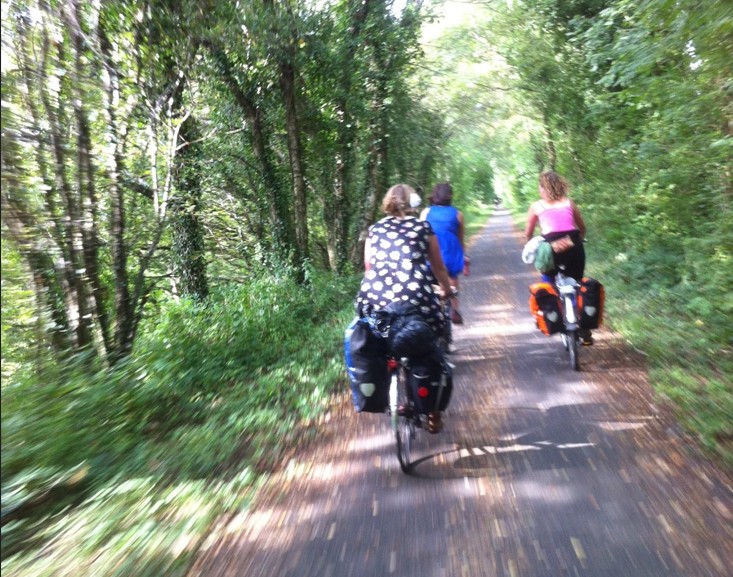
Three women cycling along a traffic-free path lined with trees. Photo credit: Lisa Muller, with thanks

Sharing these perspectives in the Briefing Notes

The draft recommendations from the research were amended drawing on the feedback from workshop participants, and themes from the workshop discussions, such as those mentioned above, were also included in the Briefing Notes.

Briefing Note 1 is aimed at people working or volunteering in planning and delivering cycling environments and infrastructure. Its recommendations focus on integrating nature contact and connection into cycle route planning and design.

Briefing Note 2 is aimed at people working or volunteering in planning and delivering cycling activities and cycle promotion. It focuses on how leaders of group rides and other cycling activities can incorporate nature contact and connection as well as how cycle promotion could lean into the positive experiences and outcomes of nature.

Both briefing notes aim to show how nature can be integrated into cycling environments and activities to maximise the benefits of cycling, improve cycling experiences and boost nature connectedness.

We are extremely grateful to WECA for their support and collaboration in planning and delivering the workshop, as well as to all the participants and the funder.

This blog was written by Mel Cairns, based on a project led by Professor Justin Spinney in collaboration with Associate Professor Issy Bray and Dr. Asa Thomas. 

Mel Cairns is a Postgraduate Researcher at Centre for Transport and Society. Her current research explores the role of nature in cycling experiences and decision-making. She has previously worked on research and measurement relating to place-based wellbeing and sustainability.
CTS Symposium 2026: Key insights 

Posted on

On the 2nd of July we once again welcomed a broad group of researchers and practitioners to UWE’s Frenchay campus for our annual CTS Symposium.

Many thanks to the delegates that visited us in person for a day of updates and discussion on another year of CTS research. For the first time the symposium was also a hybrid event, allowing participants from the community of researchers and practitioners in Ukraine to join us online. Our Visiting Fellow, Dmytro Roslavtsev (National University of Urban Economy in Kharkiv), was instrumental in making this happen and we are incredibly grateful to the Ukrainian delegates who took the time to join us and for contributed their perspectives on working in what is, suffice to say, a very different and more challenging context to ours.  

This blog will give a flavour of the day’s happenings and links to some of the presentations for future reference.  

Morning Sessions 

The day started with a welcome and scene-setting from CTS Director Professor Graham Parkhurst and our School’s Director of Research and Enterprise Professor Enda Hayes. The morning’s plenary came from Steve Gooding, Director of the RAC Foundation and Visiting Professor at CTS. His talk focused on the UK’s history of integrated transport strategy in light of the Department for Transport’s recent publication of Better Connected. Comparing the last major attempt at creating an integrated transport strategy under New Labour, Steve’s talk highlighted the more pragmatic approach put forward by Better Connected. A key lesson from these previous attempts is that a strategy, no matter how sensible, is only as good as the political will to implement it and the circumstances into which they emerge.  

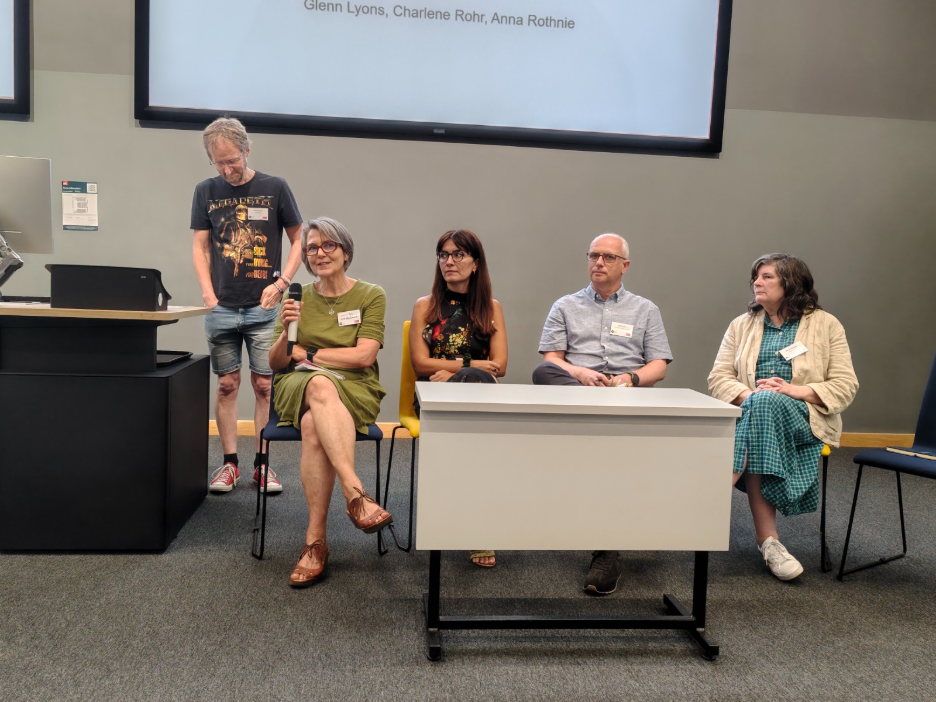
Our panel members give their views on vision-led planning

Steve’s presentation was based on a forthcoming paper co-written with Professor Glenn Lyons, who also facilitated the morning’s panel discussion. Jon Parker (Jon Parker Consultancy and Visiting Professor at CTS), Helen Bowkett (Arcadis and Visiting Professor at CTS), Charlene Rohr (Mott MacDonald), Professor Daniela Paddeu (UWE/CTS) were invited to consider whether vision-led planning approaches (including Triple Access Planning) are diffusing into wider transport planning practice or remain marginal while predict-and-provide prevails. Among the panel there was broad agreement that vision-led planning was both necessary and increasingly relevant in a time of greater uncertainty. However, questions were raised around whether predict-and-provide was ever as paradigmatic as the framing suggested, and relatedly, whether there was a risk that the concept of vision-led planning could be diluted as greater adoption is accepted. Slides from Glenn’s introduction to the panel discussion, written with Charlene Rohr and Anna Rothnie are available here. 

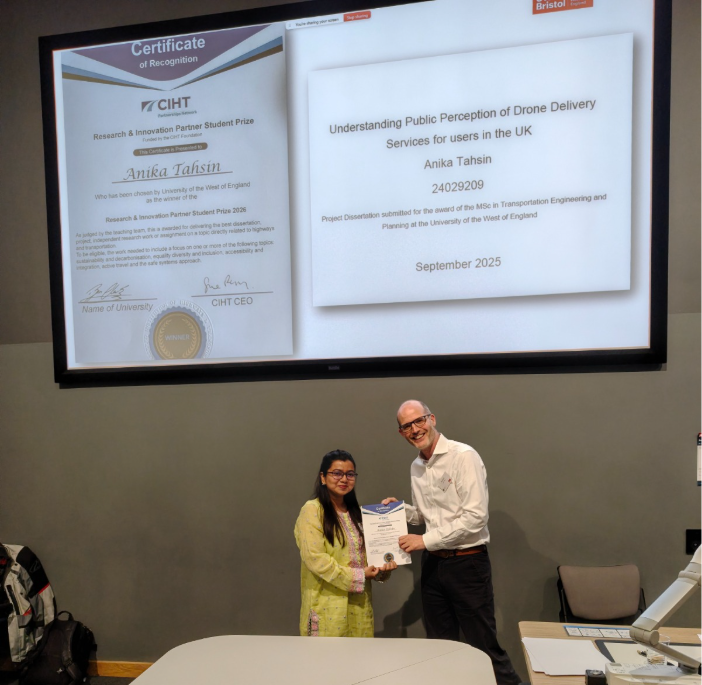
Closing out the first session was the announcement of the winner of our CIHT-sponsored MSc dissertation prize. This year the prize was awarded to Anika Tahsin for the project titled ‘Understanding Public Perception of Drone Delivery Services for users in the UK’, which received high-praised from Dr. Ben Clark who presented her with the official certificate. 

Anika Tahsin accepts her dissertation award from Dr Ben Clark

Anika also presented her work in one of two parallel sessions focused on recent UWE research which closed out the morning. Her work formed part of the session on Governing the Just Transition which also featured presentations from Professor Graham Parkhurst and Professor Daniela Paddeu. Anika’s research highlighted people’s concerns around drone noise and made the case that public perceptions of drone deliveries should form a core component of the governance of this new technology. Daniela’s work focused on the workforce challenges associated with the decarbonisation of heavy freight and bus transport. Driver shortages and skills gaps must also be addressed alongside technological innovation to ensure an equitable transition. Finally, Graham’s presentation considered the transition to electric cars. Key challenges here include the risk that unequal access to affordable charging infrastructure and future road user taxation may dampen public support for these technologies. See Graham’s slides here, and Daniela’s slides here. 

The other parallel session focused on another core pillar of CTS’s research activities, Promoting sustainable transport planning. Presentations from Dr Jonathan Flower, Dr Ben Clark, and Dr Asa Thomas all drew on insights from evaluations and analyses of a range of local initiatives and interventions to consider the challenges of achieving significant behavioural changes. Jonathan’s presentation was a close look at active travel infrastructure, including pedestrian crossings and footways, exploring how network gaps or inappropriate provision can limit widespread access. Ben and Asa both presented on findings from recent evaluation studies conducted by CTS for local authority partners, namely Bristol City Council’s active travel offers scheme and Bath and Northeast Somerset’s active travel social prescribing pilot. Common insights from these projects centred around the tensions between supporting existing sustainable mobility or encouraging physical activity and the wider and more challenging aim of achieving lasting behaviour change for everyday mobility. See Ben’s slides here. 

Afternoon Sessions 

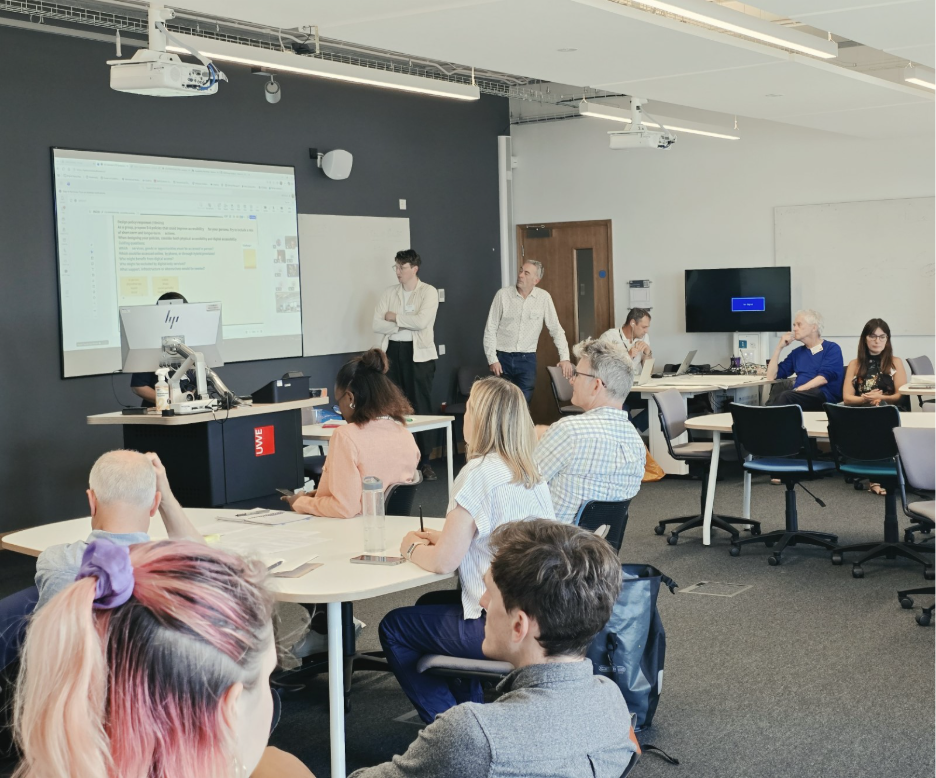
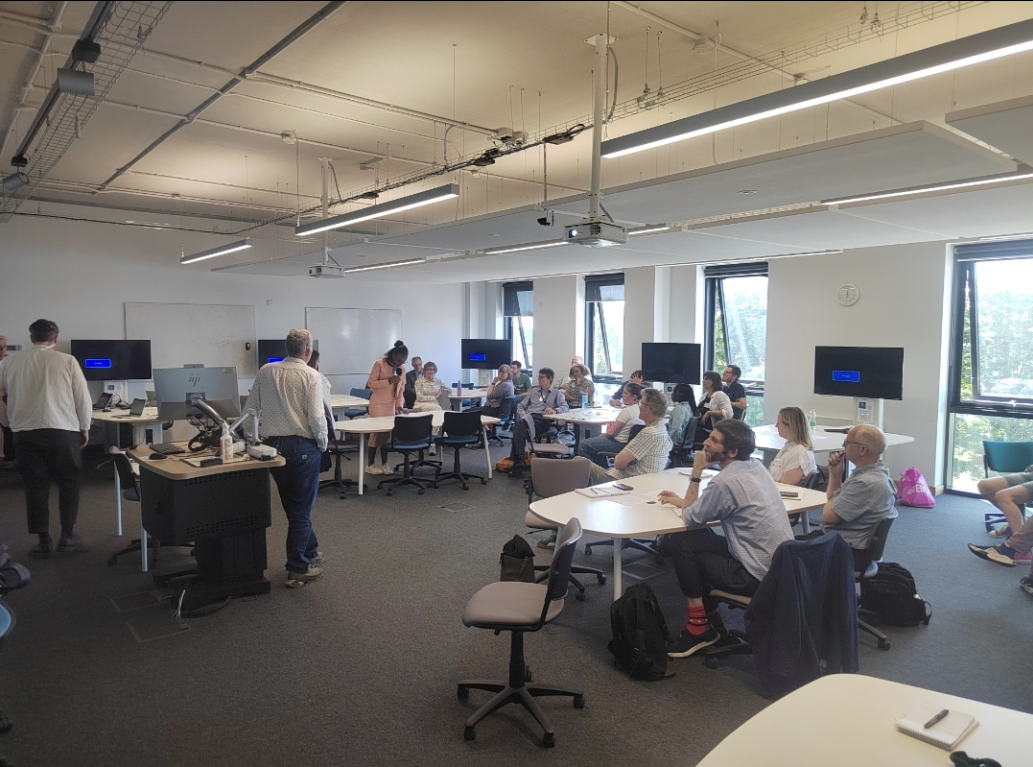
After lunch, and the optional Net Walks around campus, we all split off into two groups for the afternoon’s workshops. One of our past Visiting Scholars Mara Ladu (University of Cagliari, Italy) led a workshop (supported by Prof Daniela Paddeu, Prof Justin Spinney, and Dmytro Roslavtsev and others) unpicking the differing conceptions of accessibility currently in use and what this means for sustainable development planning. The breakout groups, including an online group from Ukraine, brainstormed different ways to think about accessibility beyond spatial access to goods and services. The Ukrainian delegates emphasised the challenges of providing mobility to a post-conflict population, especially where physical disability from combat will present barriers to access for many.  

Ukrainian delegates share their views on accessibility in our hybrid workshop

The other major workshop looked at recent work on the transport issues facing workers in Bristol’s Night-Time Economy. This area has been traditionally underserved by the transport system relative to its contribution to local economies. These mobility deficits have been the subject of a project undertaken by Graham Parkhurst, Eda Beyazit and Rob Rivera Fernandez for Bristol City Council. The workshop, also supported by Mel Cairns, began with a presentation summarising the project’s findings. Delegates then joined one of three guided discussion groups which each interrogated one of the proposed ‘priority actions’ to enhance mobility for the NTE: better coordination of demand and supply; better data for inclusive planning of night-time travel; and the role of new transport service offers. 

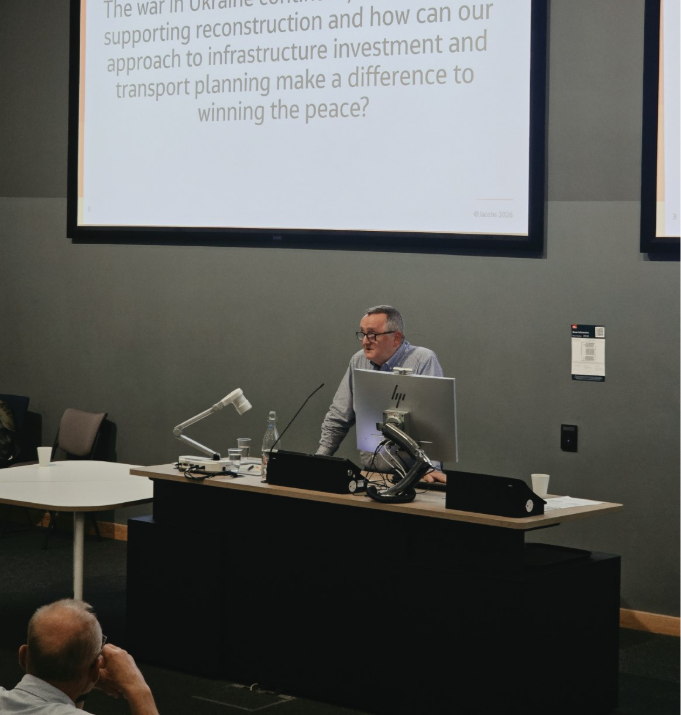
Paul Hammond delivering his keynote lecture on TOD in Ukraine

Towards the end of the afternoon, we all reconvened in main lecture theatre to hear from Paul Hammond (Jacobs and Visiting Professor at CTS) for his keynote lecture reflecting on his work supporting transport-oriented development in Ukraine. Alongside his personal reflections on working in this context, Paul made the case that adopting TOD principles in post-war reconstruction will help catalyse wider economic development and international investment. After a round of questions, Graham provided some final words to wrap up the day’s activities, and we finished off will a well-earned drinks reception in the atrium of the Bristol Business School.  

Thanks again to all who contributed or attended for the day (whether online or in person). We look forward to welcoming you back to CTS next summer. If you weren’t able to make it, please do consider attending next year! 

In the meantime, keep an eye on the CTS LinkedIn Group for updates.

Back to top

Follow this blog

Get every new post delivered right to your inbox.