CBR researcher at European Neuroscience Forum

Posted on

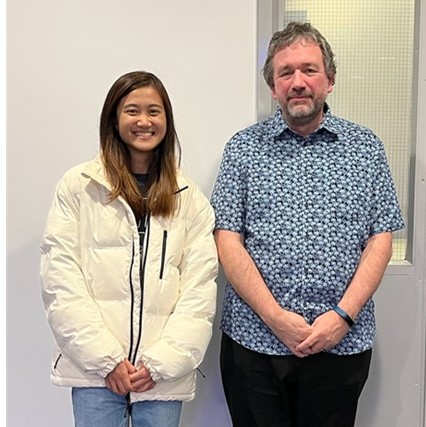
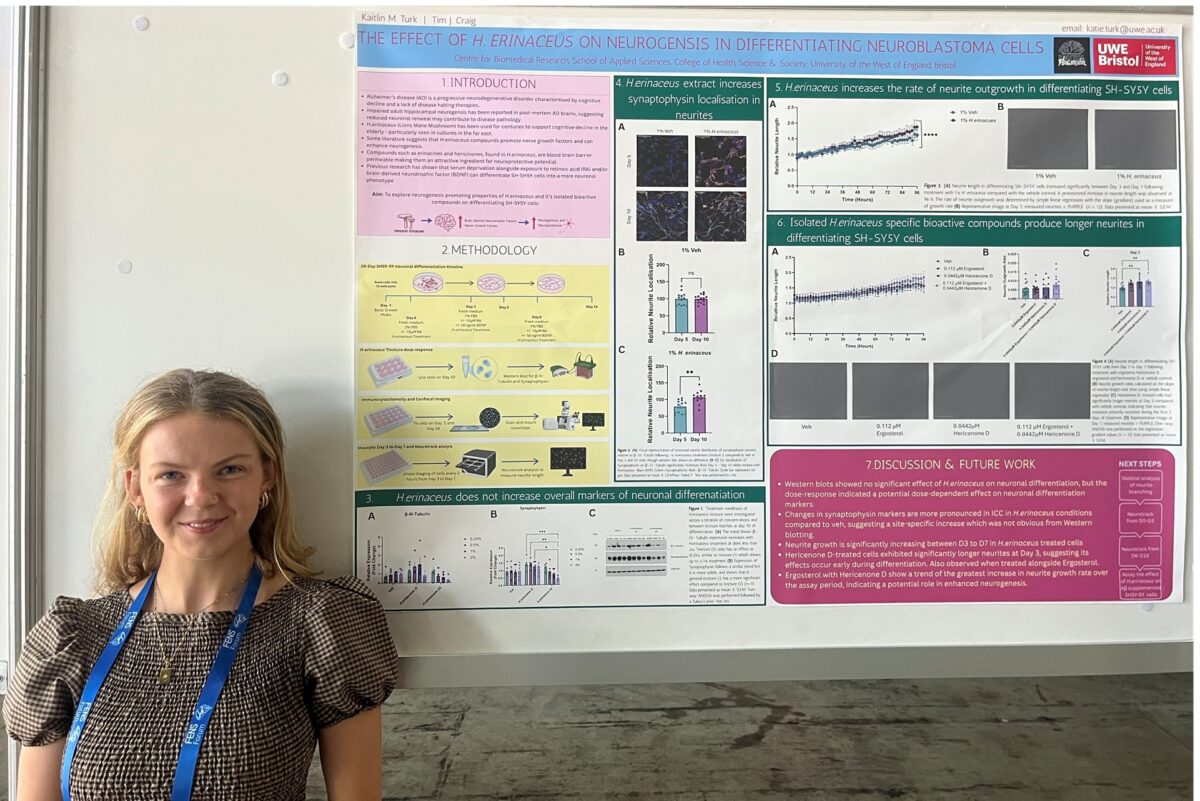
Ms. Katie Turk recently presented her research at the FENS Forum 2026 in Barcelona. The FENS (Federation of European Neuroscience Societies) forum is the largest of its kind in Europe.

Katie’s research is investigating the impact that extracts from the fungus Hericium erinaceus (Lion’s Mane) have on neurogenesis using a neuroblastoma model. Lion’s Mane has been used for centuries to manage cognitive decline. With her supervisor Dr. Tim Craig, Katie is investigating what impacts, if any, this may have on neuronal differentiation and marker expression.

Here is what Katie had to say about her time at the conference:

Earlier this month, I had the opportunity to attend the Federation of European Neuroscience Societies (FENS) Forum 2026, held in Barcelona from the 6th till the10th July. As Europe’s largest neuroscience conference, the Forum only takes place every two years, and this year’s event was the biggest yet, bringing together more than 8,000 neuroscientists from over 80 countries.

The conference opened with a vibrant ceremony celebrating Spanish culture through traditional dance, alongside inspiring speeches from the FENS leadership – with the important reminder to “ask questions to encourage, not to intimidate” fostering supportive scientific discussion.

With neurodegenerative disease representing one of the greatest global health challenges, and as someone working in this field, it was inspiring to see the scale, diversity and momentum of research taking place across the world. The programme was packed with outstanding talks spanning every discipline of neuroscience. Highlights included plenary lectures from Guillermina López-Bendito, Yukiko Goda and Holly Ingraham, among many others.

The poster sessions were equally memorable there was such a positive atmosphere, with researchers at every career stage sharing ideas, asking thoughtful questions and offering constructive feedback. Some of the most valuable moments of the week came from these conversations, which gave me new perspectives on my own work.

Beyond the science, the Forum also celebrated neuroscience’s rich history and its connection with the arts, an exhibition honouring Nobel Prize-winning neuroscientist Santiago Ramόn y Cajal, created in collaboration with the design studio La Casa de Carlota, combined art and science through interactive installations, including a collaborative brain network drawing activity and a gallery inspired by Cajal’s iconic illustrations.

Congratulations to Katie on her presentation and for discovering the immense social and cultural value of conference participation.
CBR researchers develop low-cost tests for people with bleeding and clotting disorders

Posted on

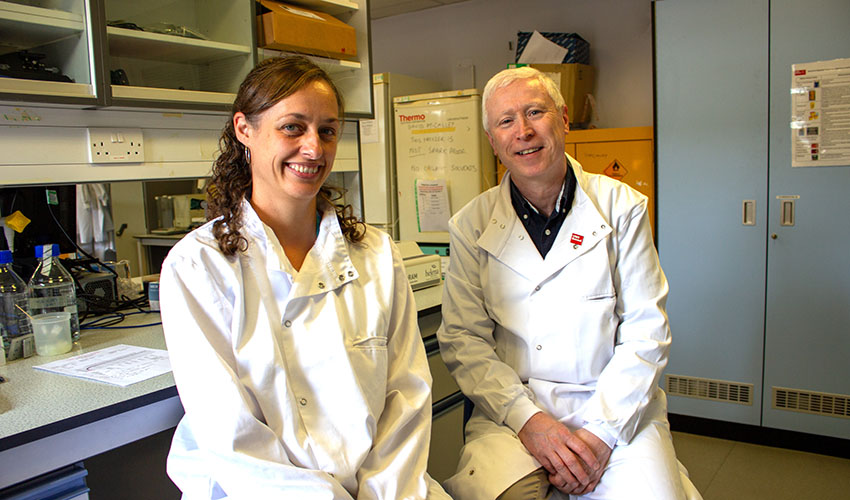
Patients with bleeding and clotting disorders living in low-income countries could benefit from new low-cost testing devices being developed at UWE Bristol.

Researchers from the Centre for Biomedical Research are the first in the world to demonstrate that platelet behaviour can be measured by adding a drop of blood to a strip of paper.

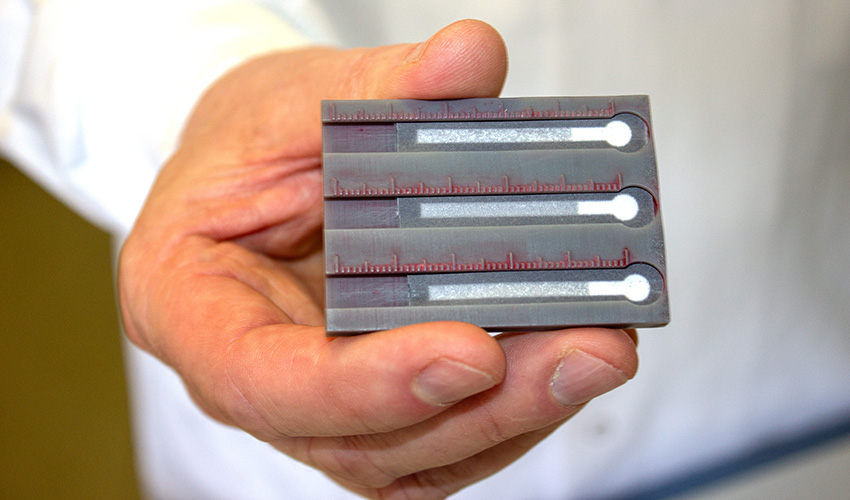
They have developed a test which can measure platelet count and platelet function using a paper-based lateral flow testing device that costs only a few pence to produce.

Platelets are tiny cells in the blood that help clotting. When they don’t work properly, the consequences can be serious, ranging from excessive bleeding to dangerous clots.

Doctors rely on platelet tests to diagnose these conditions. But current tests require expensive equipment, needing trained specialists working in well-equipped hospitals. As a result, many people around the world with platelet disorders do not have access to testing and can go undiagnosed.

The academics from UWE Bristol believe their research breakthrough could make testing more widely available to people in low resource environments, including low and middle-income countries and emergency settings such as ambulances.

The testing devices work like pregnancy tests: liquid flows along a strip and produces a measurable result. For the research, platelets added to the testing device were ‘activated’ by a chemical on the strip of paper. The study showed that the distance covered by the platelet sample indicated the platelet count in the blood, with a longer distance covered signalling a lower platelet count. Low platelet count is associated with poor clotting and excessive bleeding, while high platelet count is associated with excessive clotting.

The testing devices will be developed further, with reagents added to measure how well platelets function. This will allow other platelet and bleeding conditions (that are not characterised only by high or low platelet counts) to be diagnosed.

Currently, several expensive pieces of equipment are used to capture diagnostic information about platelets: a machine for a full blood count sample that conducts automated platelet counting, a machine for platelet aggregometry to measure platelet function, and a platelet function analyser.

The researchers say that the ‘low tech’ paper strip tests are an example of ‘frugal innovation’.

The paper-based testing devices bleeding and blood clotting disorders developed at CBR.

Study lead Professor Tony Killard, an expert in biomedical sciences and a member of UWE Bristol’s Centre for Biomedical Research, said of the scientific discovery: “It was a bit of a surprise. It was a long shot but it worked. There’s now a crack in the door and we want to push it open. We’ve really thoroughly investigated the effect and it’s a real effect. Now we’re focused on how we can amplify that effect.

“There are many regions of the world that don’t have access to significant health care systems, so determining somebody’s bleeding or clotting status could be really quite challenging if they can’t access specialised hospital laboratories or laboratory testing.

“A colleague recently conducted a site visit to The Gambia, where they talked to various healthcare professionals in the country about our concept and our technology, and the feedback was very positive.”

Professor Killard said that by altering the lateral flow tests with reagents, the devices could potentially be used to differentiate thrombocytopenia (low platelet count) from other disorders including some subtypes of Von Willebrand disease (the most common inherited bleeding disorder affecting up to one per cent of the population), as well as Bernard Soulier disease (a rare inherited bleeding disorder) and Glanzmann’s Thrombasthenia (another rare inherited bleeding disorder).

“The vision is that the patient only adds one sample of blood. We have this idea of a daisy wheel with a sample application zone in the middle, with multiple flow channels coming out of that central zone and each of those channels doing a different test.

“With information from these tests, treatment strategies in low resource environments could be significantly optimised. It could allow effective and targeted use of low cost drugs.

“It would allow much improved pre and post-partum care for women with undiagnosed Von Willebrand disease, as well as undertaking safer surgery which might otherwise be performed without diagnostic assessment. Finally, it would also allow avoidance of treatment that may actually be harmful if given for the wrong condition.

“These issues certainly impact millions of people worldwide, with tens of millions of relevant bleeding disorders occurring per year.”

Professor Killard worked on the study with Dr Jennifer May, Dr Jerro Saidykhan, Sullivan Harlow. The full research paper, entitled Effect of Platelet Activation on Capillary Flow in Paper-Based Lateral Flow Devices, has been published in Analytical Letters.

Taken from Mark Rath: https://www.uwe.ac.uk/news/paper-based-testing-devices

Remembering Dr. Roy Pemberton

Posted on

The Biomedical Research Centre is deeply saddened by the passing of Dr Roy Pemberton, Senior Lecturer in Biomedical Science and a highly respected colleague, researcher, teacher and mentor whose contributions have left a lasting impact on students, staff and the wider scientific community.

Dr Pemberton devoted much of his academic career to advancing the fields of microbiology, immunology and biosensing technology. Having graduated in microbiology from the University of Bristol and completed a PhD in viral immunology at the University of Sheffield, he brought a strong interdisciplinary perspective to his work. Following postdoctoral research positions in immunology, he joined UWE Bristol in 1995 and became a key member of the University’s biosensing research community. His research interests spanned microbiology, immunology, electrochemistry and biosensor development, contributing to innovative approaches for biomedical analysis and diagnostic technologies. Through his publications and collaborations, he helped advance the application of electrochemical biosensors in healthcare and biological sciences.

Alongside his research achievements, Roy was an exceptional educator whose enthusiasm for science inspired generations of students. Throughout his career he taught across a wide range of subjects, including microbiology, immunology, infection and disease, antimicrobial agents and medical technology. He was deeply committed to ensuring that students developed not only scientific knowledge but also the critical thinking, practical skills and professional confidence required for successful careers in biomedical science. He supervised undergraduate and postgraduate research projects, supported master’s students and doctoral researchers, and was known for his generosity in sharing his expertise and encouragement.

Colleagues valued Roy for his intellectual curiosity, collegiality and unwavering commitment to student success. He was a passionate advocate of research-informed teaching and played an important role in connecting developments in biosensor technology and biomedical science with the learning experience of his students. His ability to make complex scientific concepts accessible and engaging earned him the respect and affection of both students and peers.

Dr Roy Pemberton’s legacy lives on through his scientific contributions, the many students he taught and mentored, and the colleagues whose lives he enriched through friendship and collaboration. He will be remembered with great respect, gratitude and affection by all who had the privilege of working and learning alongside him.

Centre for Biomedical Research Annual conference

Posted on

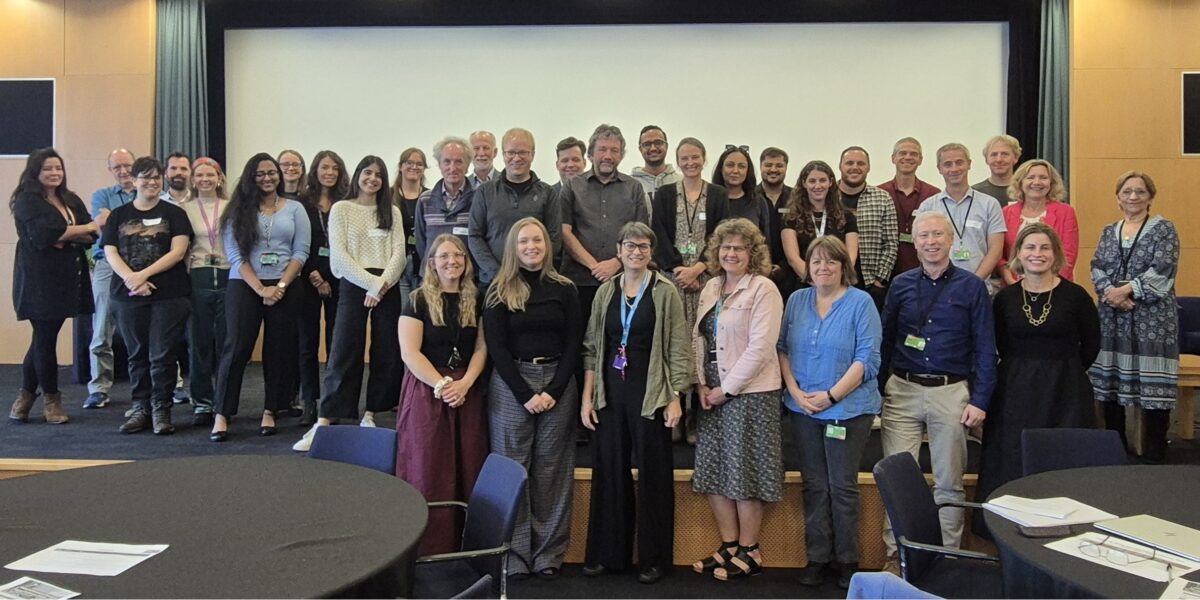
The UWE Centre for Biomedical Research (CBR) held its second annual conference on the 8th of September. A year after the establishment of the new centre, the theme of the meeting was to emphasise and build on our connections with our academic and industrial collaborators.

The one day event again served to highlight the world-leading and internationally excellent research taking place across our core themes of Human Health and Disease, Biosensing, Bioanalysis and Diagnostics and Workforce and Practice Development. It further highlighted both our industrial and academic linkages.

We were delighted to have Dr. Aoife Morrin from Dublin City University as our keynote speaker. Her talk entitled “From Diagnosis to Dialogue: Unravelling Skin Volatile Profiles for Health and Beyond” illustrated the many intersections with CBR research, such as volatilomics, bioanalysis and diagnosis of disease (along with sharing a few embarrassing old photos!). These intersections could be seen in the work of Dr. David Qualtrough’s team as presented by James Claar which is investigating volatile organic compound signatures in colorectal cancer.

The work of Dr. Qualtrough and Clarr is a part of the strong bioanalytical base within the centre, as well as the newly formed Forensics Group. Talks from Chelsey Jordan, Louise Mclachlan and Dr. Kevin Honeychurch focused on both the methodologies and applications of analysis across the field of drug and chemical detection and analysis. Our long-established and continuing strength in biosensing was also on show from Dr David Ferrier’s study on exploring emerging green synthetic methods.

Prof. Tony Killard’s research, while often relating to both sensors and volatile analysis in diagnostics, the topic of his talk was addressing issues of technology implementation and integration into healthcare systems. The topic of healthcare deployment was also explored by Prof. Richard Luxton, through his involvement in the new NHS England Centre of Digital Excellence (CoDE) and his investigation into the application of ambient voice technology in primary care; as well as by Prof. Aniko Varadi who has also been working with the NHS for many years to integrate genomics into clinical practice through nurse teaching practice.

Our links with the SWBio Doctoral Training Partnership were highlighted by Dr. Lucy Crompton. Unfortunately, due to unforeseen circumstances, of Dr. Alex Greenhough’s student, Selina Diether, we were unable to showcase some of the excellent post-graduate research taking place within this programme at CBR. However, this was very much compensated by the excellent work presented by UWE Wallscourt Fellow Laura Perry on signalling mechanisms in colorectal cancer. Our expertise in genetics was also on show, both through Prof. Mike Ladomery’s exploration of the impact of ant-cancer drugs on RNA splicing; while Dr. Ruth Morse also presented some fascinating insights into the role of ring chromosomal DNA in human disease.

Interest in the role of the microbiome was also on display at both epidemiological and public health health perspectives, through the work of one of our guest speakers, Dr. Zheng Feei Ma of the UWE School of Health and Wellbeing and his study of the links between nutrition, gut microbiome and health; as well as in the work of Prof. Emmanuel Adukwu’s student Syed Ayaan studying the role played by hand drying technologies in the transmission of drug resistant microorganisms.

Our excellent research links with our industrial partners were demonstrated through the joint presentation given by Juliet Munns and Lance Hiley from Mass Spec Analytical on the development of the application of amino acid analysis in traumatic injury diagnosis. It was also wonderful to have the participation, support and presentations from our sponsors and exhibitors , Horiba, PCR Biosystems  and ProteinTech.

Congratulations also go to Juliet Munns and Sofia Meresentoglou as winners of the student talk and poster presentations, respectively.

Finally, big thanks to Dr. Lili Ordonez who was central to all the meeting organisation, and Eleri Heathcote for her assistance.

The centre looks forward to further growing its connections and collaborations over the coming year.

Centre for Biomedical Science research highlighted in Science Matters magazine

Posted on

Some of the world-leading research being conducted in the Centre for Biomedical Science has been highlighted alongside other research taking place with the School of Applied Science at UWE.

This edition of the Science Matters magazine has been created by UWE’s Science Communication students and is wonderfully professional and informative and can be accessed here.

Academy of Medical Sciences awards for our biomedical researchers

Posted on

Dr. Lucy Crompton and Dr. Dan Turnham awarded Academy of Medical Sciences Springboard funding

Sincere congratulations to Dr. Lucy Crompton and Dr. Dan Turnham who have both been awarded grants from the Academy of Medical Sciences through their Springboard scheme. The purpose of the Springboard programme is to offer support for biomedical researchers at the early stages of their independent careers.

Dr. Turnham’s research involves gaining an improved understanding of the changes that take place to cancer cells, particularly those involved in prostate cancer. Dr. Turnham is studying a protein called RAGE (receptor for advanced glycation endproducts) that occurs in particular on the surface of aggressive prostate cancer cells which makes them grow more quickly and increases their resistance to chemotherapy. The project will investigate why and how the change in expression of the RAGE protein comes about, with the potential of targeting it for chemotherapy. He will test a new anti-cancer agent that can bind to RAGE and kill the cancer cells, while leaving others unharmed. This could make a massive differences in those with aggressive forms of prostate cancer who currently lack effective treatment options.

Dr. Crompton’s work is focused on the mechanisms involved in Parkinson’s disease. Specifically, she is looking at the role of the protein alpha-Synuclein (aSyn) and how it is triggered to form the toxic aggregates that are symptomatic of Parkinson’s disease. She has been investigating the role that brain astrocytes play in promoting neuroinflammatory processes which lead to aSyn aggregation and how their pro-inflammatory behaviour is modulated through the autophagy lysosomal pathway. A clearer understanding of these mechanisms has far-reaching potential to develop new and effective treatments for this debilitating illness.

We wish Drs Turnham and Crompton the very best in their research endeavours.

Neuroscience research highlighted on BBC R4

Posted on

Dr. Tim Craig, Associate Professor of Neuroscience, talks to BBC Radio 4 Health and Science about the potential for Lion’s Mane extracts in the prevention or treatment of dementia

As part of an episode of Inside Health on BBC Radio 4, BBC Health and Science Correspondent James Gallagher interviewed Dr Tim Craig, Associate Professor of Neuroscience from the Centre for Biomedical Research (CBR), UWE, about his work looking at the potential neuroprotective effects of the Lion’s Mane mushroom. Dr Craig’s work on this project is funded by a Partnership PhD with the Bristol Fungarium, who specialise in functional mushroom extracts and tinctures. In the interview, Dr Craig discussed the purpose of the research project, which is to rigorously examine the potential of the extract of Lion’s Mane mushrooms to protect against neurotoxic damage in diseases such as Alzheimer’s Disease. Dr Craig’s PhD student, Kaitlyn Turk, is using cellular models of neuronal damage to look at neuroprotective effects of these extracts, with the ultimate aim of identifying specific therapeutic compounds produced by these mushrooms. This research is highly topical due to the massive increase in interest in the medicinal properties of a variety of edible mushrooms, some of which have been used in traditional medicine for hundreds of years.

The link to the interview can be found here.

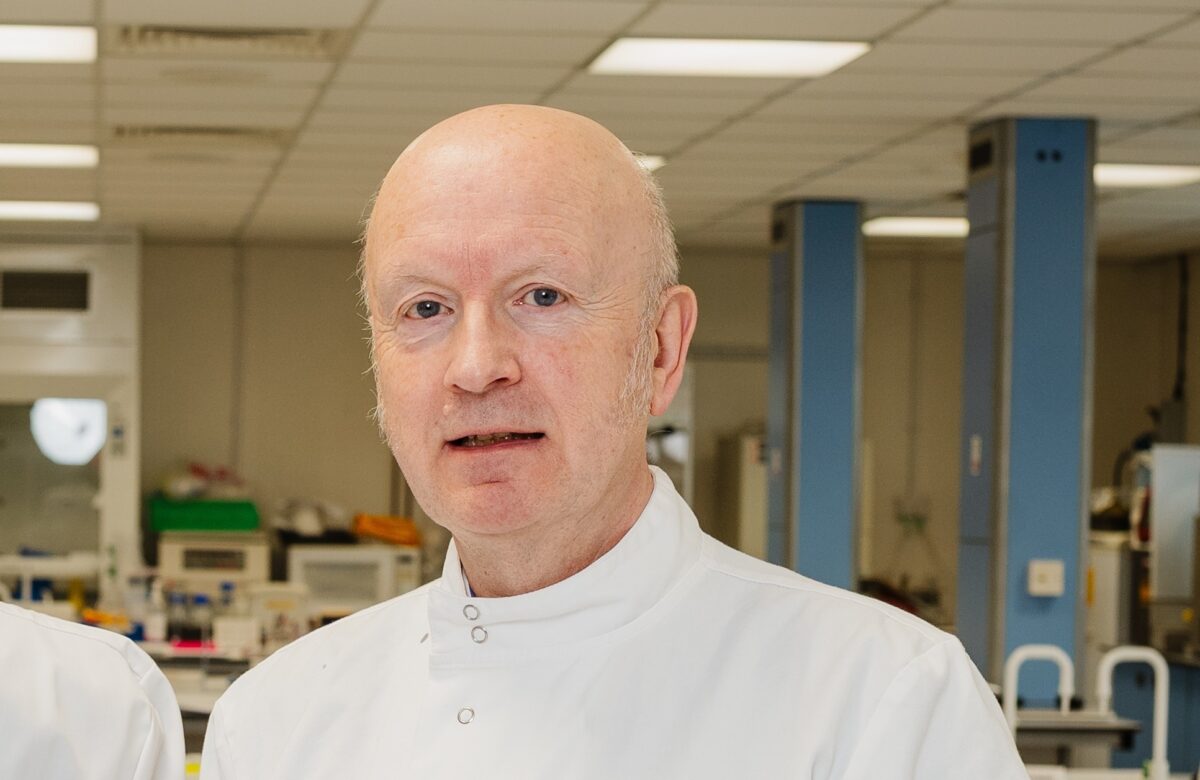
Dr. Tim J. Craig

CBR academics receive Early Career Research awards

Posted on

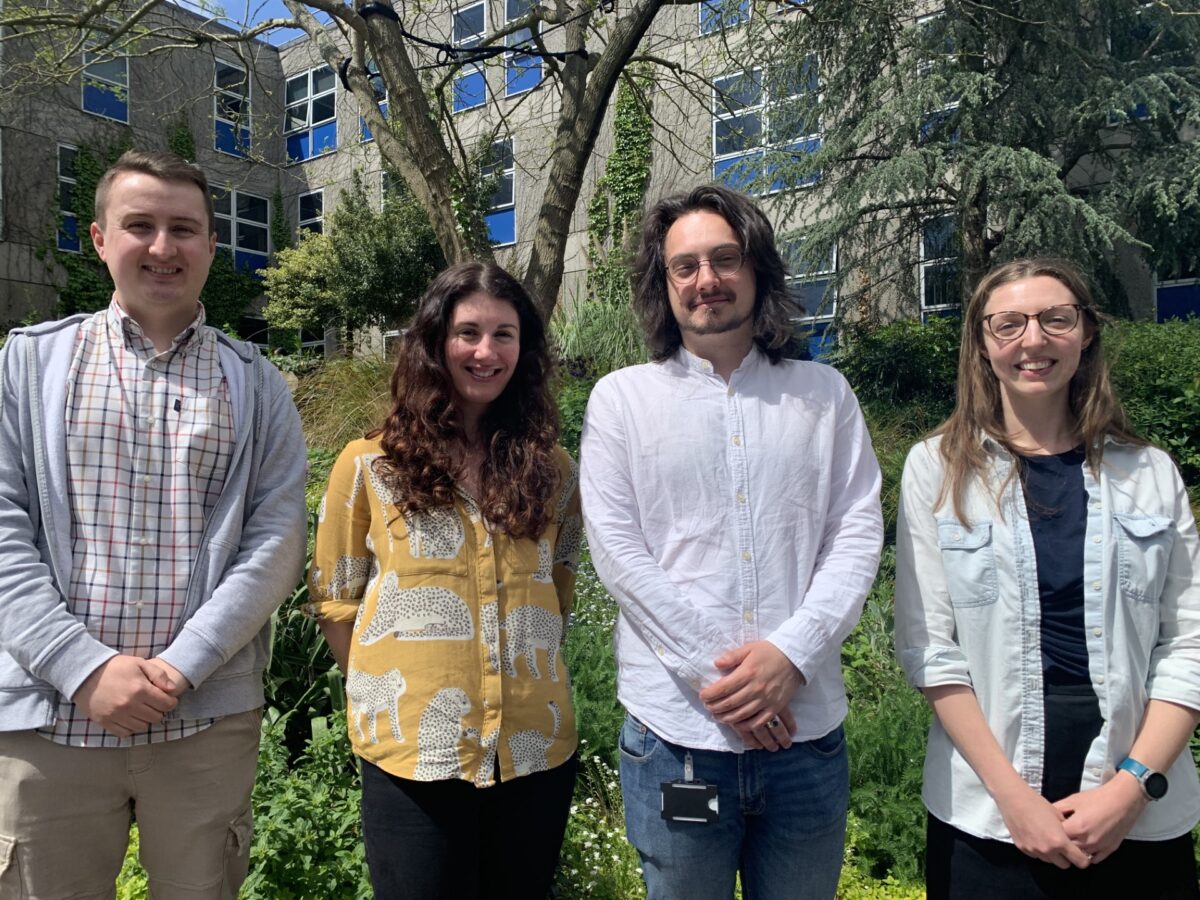
Congratulations to (L-R): Dr. James Robson, Dr. Lili Ordonez, Dr. Piers Townsend and Dr. Liana Gynn.

Four academic members of the Centre for Research in Biosciences have been awarded the Vice Chancellor Early Career Research (VCECR) award.

Dr. James Robson‘s project is entitled “Investigating tumour associated microbial communities and their virulence genes in colonoscopy polyp samples“. Colorectal cancer (CRC) is a leading cause of cancer-related death with incidence predicted to rise, specifically in younger populations. CRC development and progression are heavily influenced by dietary and lifestyle factors, which alter the composition of the gut microbiota. Microbial species associated with CRC have been identified in previous studies, but it is unclear whether these species are causative or simply enriched in the tumour microenvironment. This is further confounded by the presence of distinct microbial communities at different stages of the adenoma-carcinoma sequence. The aim of this project is to compare the microbial communities present in precancerous colorectal adenomas (polyps) isolated from patients undergoing colonoscopy and matched healthy tissue. The composition of the microbial communities within these samples will be analysed, and the presence of CRC-promoting virulence genes will be determined. This data will be supplemented by in vitro co-culture models investigating the expression and effects of these virulence genes to determine whether microorganisms contribute to development and progression of colorectal polyps. This project is in collaboration with Dr David Qualtrough and Dr Alexander Greenhough (UWE), and Dr Lee Parry (Cardiff University).

Dr. Lili Ordonez‘s received her award for a project entitled “Investigating Acquisition of Mesenchymal Features as a Mechanism of Tumour Relapse in Breast Cancer“. During therapy, cancer cells adapt in order to survive. This plasticity results in resistance to cancer therapies and ultimately contributes to relapse of the primary tumour. This means that irrespective of therapy efficiency, we can never ensure patients will remain cancer-free. Patients experiencing tumour relapse currently have very limited therapeutic options; therefore, a new strategy to overcome or prevent therapy-resistance would provide a huge impact on patient survival. Dr. Ordonez’s previous work has shown a correlation between therapy-resistance and epithelial-to-mesenchymal transition (EMT) in breast cancer. EMT is a process where an epithelial cell converts into a mesenchymal cell, resulting in a change in cell appearance, expression of proteins and cellular behaviour. However, whether EMT is a cause or consequence of therapy-resistance remains unclear. The aim of this project is to investigate if EMT is a mechanism of therapy-resistance in breast cancer. If a causative mechanism is confirmed then the development of therapies to inhibit this transition could prevent therapy-resistance, increase the efficiency of cancer therapy, and improve patient outcomes. This project is in collaboration with Dr Helen Quasnichka (UWE) and Dr Daniel Turnham (Cardiff University).

Dr. Piers Townsend‘s project is entitled “Unravelling the Mechanisms of Chemical Mutagenicity with Machine Learning (AI) and Computational Chemistry” Cancer continues to be a major public health issue, and its societal burden is set to spiral if we continue on our current trajectory. Chemical mutagenicity is known to be a good predictor of cancer-causing genetic changes, and DNA mutations have been known to occur due to the formation of a covalent bond between a DNA helix and a (potential) carcinogen; a so-called ‘molecular initiating event’. In this project, we’ll use computational chemistry to build molecular-scale models of cancer-causing molecular initiating events, and attempt to develop easy-to-use, mechanism-driven machine learning models for the prediction of chemical mutagenicity. I’m really excited to bring computational chemistry to SOAS, and I look forward to the prospect of collaborating with UWE experimentalists and external partners in the coming years.

Dr. Liana Gynn‘s research is on “Investigating the role of the secretome in the hypoxic leukaemia bone marrow microenvironment“. Leukaemia results from mutations in white blood stem cells, which accumulate in the bone marrow and blood, giving them an aggressive survival advantage contributing to therapy resistance. The bone marrow affords leukaemic cells structural support and regulation through secretion of protein signals, which leukaemic cells hijack alongside low oxygen (hypoxia) processes for a survival advantage; a phenomenon more understood in solid cancers. Dr. Gynn’s previous work has shown that when leukaemic and bone marrow cells are able to interact, DNA damage after chemotherapy is reduced in leukaemic cells, but increased in supportive bone marrow ‘stromal’ cells, accompanied by an altered secretome (all secreted proteins). This 2-year study will use SILAC-based proteomics and loss/gain of function assessments to identify mechanisms allowing leukaemic cells to thrive in the hypoxic bone marrow, and for bone marrow stromal cells to be adversely affected. This could identify targets for improved therapy outcomes with reduced collateral damage to the important microenvironment.

We wish them all well with their research projects.

The Gas Analysis and Sensing Group hold Annual Meeting at Bletchley Park

Posted on

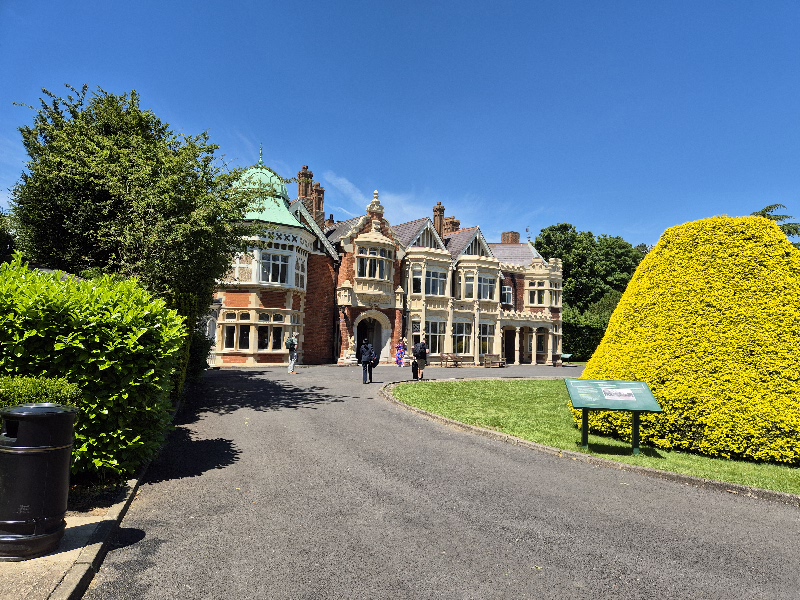
The 88th GASG meeting was held on Thursday 20th June 2024 at The Mansion Hose, Bletchley Park.

CRIB researchers were in attendance at the 88th meeting of the Gas Analysis and Sensing Group (GASG) which was held at Bletchley Park, home to Britain’s wartime code breaking endeavours.

Prof. Norman Ratcliffe was on the organising committee and chaired the opening session. He also presented the work of his former student, Matteo Fois on his MPhil research project entitled “Rare earth-based sensors for dual modality detection of VOCs using light emission and resistance change”.

Prof. Tony Killard also presented his collaboration with Dr. Saliha Saad at UWE and BreathDX on the development of a conducting polymer sensor-based breath ammonia measurement system and its validation using SIFT-MS.

Details of the full programme can be found here.

New method for detecting ‘flesh-eating’ contaminants in illegal drugs developed by CBR researchers

Posted on

Picture: Tsz Yan Joyce Chan and Dr. Kevin Honeychurch

Dr. Kevin Honeychurch, Senior Lecturer in Forensic Chemistry and member of the Centre for Biomedical Research and his student Tsz Yan Joyce Chan have published a novel method for measuring Levimasole adulteration in cocaine

Levamisole is a drug that was previously approved for the treatment of parasitic infections such as worms, but was withdrawn from human use in 2000 due to side effects such as  abdominal pain, vomiting, headache, and dizziness, and increased risk of infection. However, in recent years, Levimasole has been widely used as a ‘cutting agent’ in cocaine, where it is believed to enhance its effect. It also leads to a condition called Levamisole induced necrosis syndrome, which results in the destruction of skin tissue and can lead severe facial disfigurement.

As an adulterant of cocaine, Levimasole is difficult to identify, and there is increased interest in the development of new methods for its measurement. Common analytical approaches such as UV spectroscopy are hampered by its low absorbance maxima, while direct electrochemical detection suffers from interference from cocaine. However, the method developed by Dr. Honeychurch and his student, and recently published in the open-access journal Sci, employs a combination of solvent extraction, followed by chromatographic separation with electrochemical detection to effectively measure its concentration in urine. By developing an understanding of the electrochemical properties of Levimasole using Cyclic Voltammetry, as well as its chromatographic behaviour using High Performance Liquid Chromatography (HPLC), the researchers were able to achieve its selective and sensitive detection.

The method has the potential to assist medical professionals to identify and treat Levimasole exposure, and also assist law enforcement in identifying the presence and extent of cocaine adulteration. Dr. Honeychurch is now planning a similar approach to investigate other adulterants in a range of drugs including cocaine, cannabinoids and benzodiazepines.

Having completed her MSc in Forensic Science at UWE,  Ms. Chan is now working as a Technical Specialist in the Centre for PanorOmic Sciences (CPOS), a genomics core laboratory, which is part of the University of Hong Kong’s Faculty of Medicine.

Back to top