

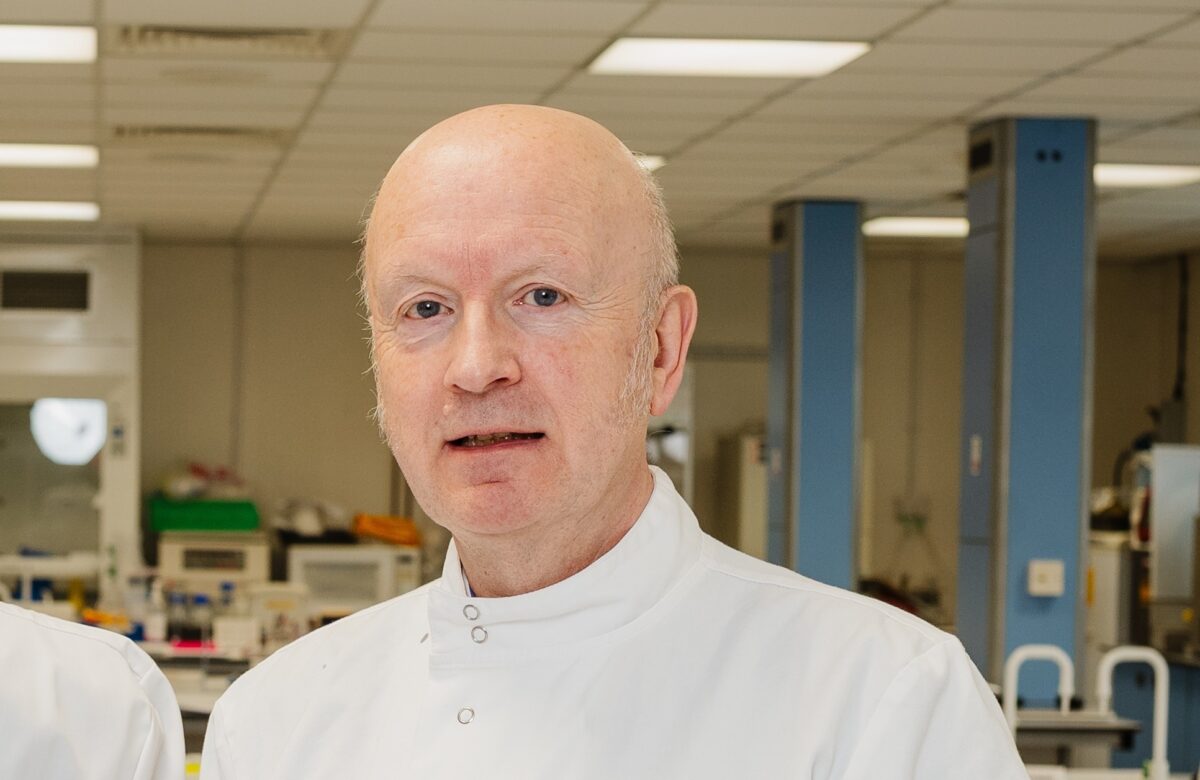
The Biomedical Research Centre is deeply saddened by the passing of Dr Roy Pemberton, Senior Lecturer in Biomedical Science and a highly respected colleague, researcher, teacher and mentor whose contributions have left a lasting impact on students, staff and the wider scientific community.
Dr Pemberton devoted much of his academic career to advancing the fields of microbiology, immunology and biosensing technology. Having graduated in microbiology from the University of Bristol and completed a PhD in viral immunology at the University of Sheffield, he brought a strong interdisciplinary perspective to his work. Following postdoctoral research positions in immunology, he joined UWE Bristol in 1995 and became a key member of the University’s biosensing research community. His research interests spanned microbiology, immunology, electrochemistry and biosensor development, contributing to innovative approaches for biomedical analysis and diagnostic technologies. Through his publications and collaborations, he helped advance the application of electrochemical biosensors in healthcare and biological sciences.
Alongside his research achievements, Roy was an exceptional educator whose enthusiasm for science inspired generations of students. Throughout his career he taught across a wide range of subjects, including microbiology, immunology, infection and disease, antimicrobial agents and medical technology. He was deeply committed to ensuring that students developed not only scientific knowledge but also the critical thinking, practical skills and professional confidence required for successful careers in biomedical science. He supervised undergraduate and postgraduate research projects, supported master’s students and doctoral researchers, and was known for his generosity in sharing his expertise and encouragement.
Colleagues valued Roy for his intellectual curiosity, collegiality and unwavering commitment to student success. He was a passionate advocate of research-informed teaching and played an important role in connecting developments in biosensor technology and biomedical science with the learning experience of his students. His ability to make complex scientific concepts accessible and engaging earned him the respect and affection of both students and peers.
Dr Roy Pemberton’s legacy lives on through his scientific contributions, the many students he taught and mentored, and the colleagues whose lives he enriched through friendship and collaboration. He will be remembered with great respect, gratitude and affection by all who had the privilege of working and learning alongside him.