Shejuti inspires next generation of microplastic scientists

Posted on

Technology is used to examine very small particles that cannot be seen with the naked eye, but communicating how this is done with non-technical audiences can be a challenge. I had the opportunity to present how ‘µ-Raman Spectroscopy’ method is used to detect microplastics from different environmental (soil, air, water) and food samples (water, milk, sugar, salt, honey, etc) to the children of the Stoke Bishop Church of England Primary School in Bristol on the 30th June 2026 as part of their ‘Tech Day’ observation.

Being born and raised in Bangladesh, where plastic pollution is a major issue, my passion to work on tackling the problem grew over time. My current research on tracing the journey of microplastics in the dairy supply chain is another important step in my devotion to combating plastic pollution. Working in Bangladesh and the UK on different plastic and microplastic action-based research projects both by conducting laboratory analysis of microplastics on the air and in food samples, I have become an expert in ‘µ-Raman Spectroscopy’ technology and its practical application in characterising plastic polymers.
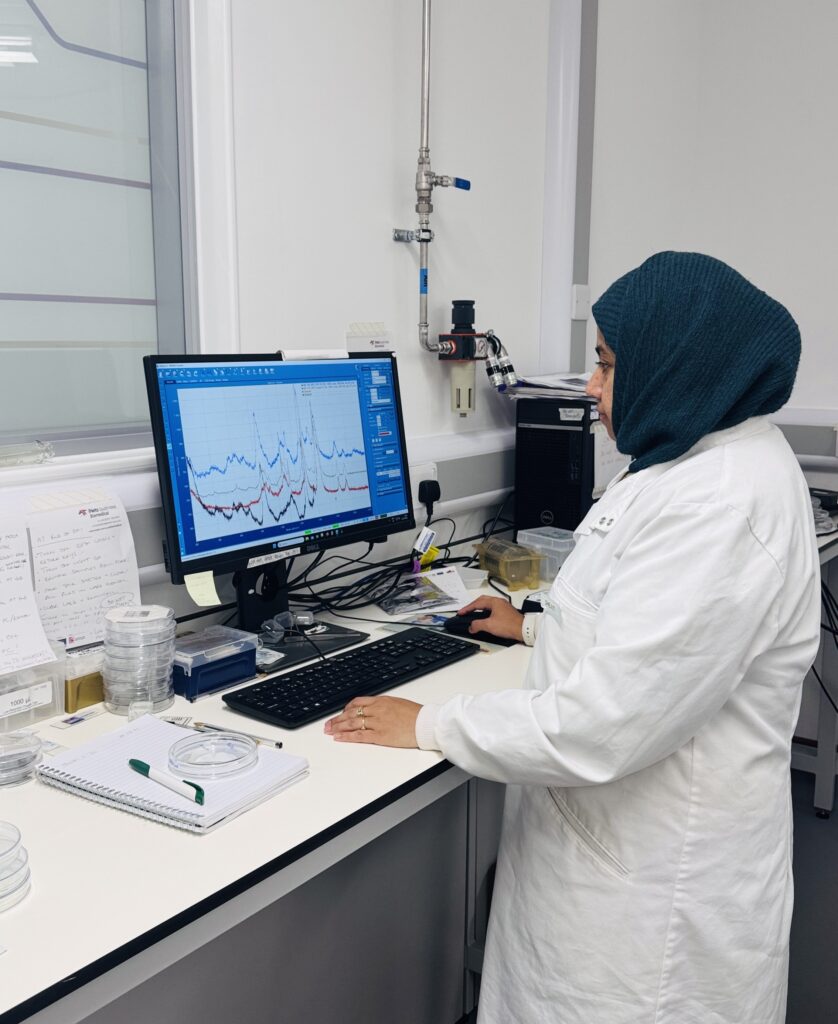
Analysing raman spectra using LabSpec software to characterise microplastics.

What are microplastics? 

At the Tech Day observation, I first started by talking about the plastic products that we use every day in our lives. Children also contributed with their knowledge of plastic products around us. Then I introduced the term ‘microplastics’, tiny plastic particles usually less than 5 mm in size. It was briefly explained that microplastics are almost everywhere in our environment ending up in the food chain, reflecting how we are surrounded by and exposed to microplastics every day.

How technology helps find microplastics? 

Identifying a particle as a microplastic is one of the biggest challenges that scientists have to face. To explain this, I introduced the ‘µ-Raman Spectroscopy’ technique as a ‘microplastic detective’. Rather than speaking too technically, I briefly explained how this technique uses laser light to detect microplastic polymers. I compared the laser light with torch lights as how they are used to find lost items. I mentioned that when the light shines onto a sample, tiny plastic particles in the sample return the light as unique colours and patterns that help scientists detect what microplastics are in the sample.

Working principle of µ-Raman spectroscopy in identifying microplastics; image developed by Copilot AI.

Insightful questions from children 

It was amazing to see how Year 2 (age 6-7 years) children got engaged with the topic in the Q/A round after the session. A range of questions were asked by the children after the presentation, including microplastics existence in water, plants and even in animals, the harmfulness of the particles in human bodies, the efficiency of the Raman spectrometer, etc. Some of the questions were: 

  • Is it easy to find microplastics from samples? 
  • Is there any chance the machine cannot detect microplastics? 
  • Do microplastics cause any health problems? 
  • Are they in water? 
  • Have microplastics been found in animals? 
  • Are they present in plants and flowers? 
  • What do I enjoy the most in my research? 

The students were very curious and their questions clearly indicated their concern for the environment and living organisms regarding plastic pollution.

Communicating research to various audiences 

Researchers often present their work to different audience groups, for example, scientists, academics, authors, so on but communicating research with school children gives an opportunity to inspire future generations about scientific research and their importance in the real world. By sharing the importance of technology in identifying microplastics with key stage 1 children, I realised that opportunities like this can help children link their today’s learning to tomorrow’s career.

One of the student’s questions really made me feel my contribution was meaningful that day:

‘‘Can I work on microplastics when I grow up?’’
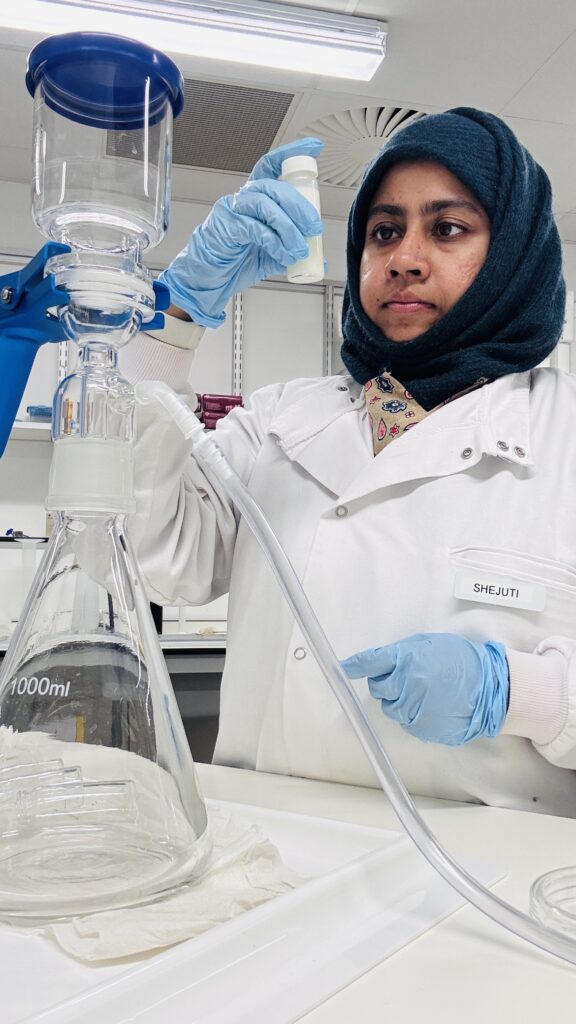
Student in lab coat examining a sample with lab apparatus in the foreground

This blog was written by Sayda Shejuti.
Moths, monitoring and molecular ecology: A new biodiversity project takes flight at UWE Bristol

Posted on

How well do traditional ecological surveys compare with cutting-edge genetic techniques? A new UWE Bristol project is seeking to answer this question by combining moth trapping with airborne environmental DNA (eDNA) sampling across the Frenchay Campus. Airborne eDNA involves collecting traces of genetic material that animals leave behind in the environment, offering a potentially powerful new way to monitor biodiversity.

Led by Todd Lewis (Senior Lecturer in Ecology) and Aimee Brake (MSc Environmental Consultancy), the project explores whether DNA collected from the air can provide a reliable and efficient way of monitoring moth biodiversity alongside established survey methods. The research brings together staff and students from across UWE Bristol and will support both MSc and BSc dissertation projects.

Moth watching in action – Aimee Brake and Martin Richardson

The first fieldwork session has now been successfully completed. Using portable ultraviolet LED moth traps (LepiLED) to trap moths temporarily, researchers and student volunteers recorded a wide variety of moth species across campus habitats. Alongside conventional survey methods, airborne eDNA samplers were deployed to capture traces of genetic material present in the environment. These samples will now undergo laboratory analysis and metabarcoding to determine which moth species can be detected from the air alone.

LepiLED moth light-trap at UWE

Moths play a vital role in local ecosystems, acting as pollinators and providing food for birds, bats and other wildlife. Yet many species are declining or shifting their distribution ranges across the UK. This project will help us better understand the diversity of moths living on the Frenchay Campus while exploring new ways of monitoring wildlife. By combining traditional field surveys with innovative DNA-based approaches, we hope to improve how biodiversity is recorded and protected in the future. The project also offers opportunities for staff, students and the wider community to engage with nature, sustainability and ecological research at UWE Bristol.

Get Involved!

We are planning additional moth-trapping sessions throughout the summer and would welcome participation from staff, students and researchers with an interest in ecology, biodiversity, molecular methods, or simply a curiosity about the incredible diversity of moths found on campus.

Whether you would like hands-on field experience, learn more about species identification, or contribute to an exciting research project, we’d love to hear from you.

For more information or to express an interest in joining future moth-trapping sessions, please contact Todd Lewis.

Aimee (left) and Todd (right).

Guerrilla research: Seeding big ideas without big budgets

Posted on

What happens to the research ideas that are too speculative, too interdisciplinary or too early-stage to fit neatly into a funding call?

At April’s CESR seminar, Senior Research Fellow Dr Neil Phillips introduced what he calls “Guerrilla research”: informal, low-cost, collaborative research that makes creative use of existing university expertise and facilities.

Rather than replacing funded research, this approach can help staff explore high-risk ideas, generate preliminary findings, build new collaborations and seed future publications or funding bids.

Traditional research is top down – it requires a strategy to secure crucial resources from funders. Funders don’t like risk, so projects are often a continuation of research projects that show promise and in areas where a body of evidence is already strongly indicating promise. But that means the riskier, more “out there”, ideas of researchers often don’t get the attention and time needed to develop.

Neil’s Guerilla research is more agile, growing out of shared ideas and inspiration and fitting around the edges of current projects.

“I’ve tended to do several research projects, which have been organic. They’ve occurred where there’s been ideas and opportunities, sometimes those don’t progress, but in some cases there’s an opportunity for a group of people to get together and progressively research higher risk projects.”

No ££££ – how?

The key thing for Guerilla research here is interdisciplinary collaboration. People from different parts of the university, with access to a myriad of equipment and with different perspectives and ideas, pull together to make these projects happen. Using this spread of existing resources, an idea from one laboratory can go into another part of the university and use their equipment and expertise to perform totally novel experiments.

“People have often done this in gaps between other projects, so it hasn’t really had a big financial impact.”

The Guerilla projects tend to take longer than a funded project, as it’s fitted in here and there, passing between one student or intern to the next. But when it comes to publication, Neil often finds these projects generate a lot of interest.

Innovative Publications

“In a bizarre twist of fate, they’re actually sometimes easier to publish. The innovation stands out. They don’t just build on the last publication.

“So far, every crazy project I’ve suggested that’s got to a suitable level has actually been published. And the feedback from the editors has been quite positive. Other, properly funded projects, have been more difficult to publish in some cases because they’re extensions of already what’s been done there.”

Publishing these projects is then crucial to seed future bids. Neil recently published one of his Guerilla research projects based on a type of algae ball that retails for a few pounds at pet shops.

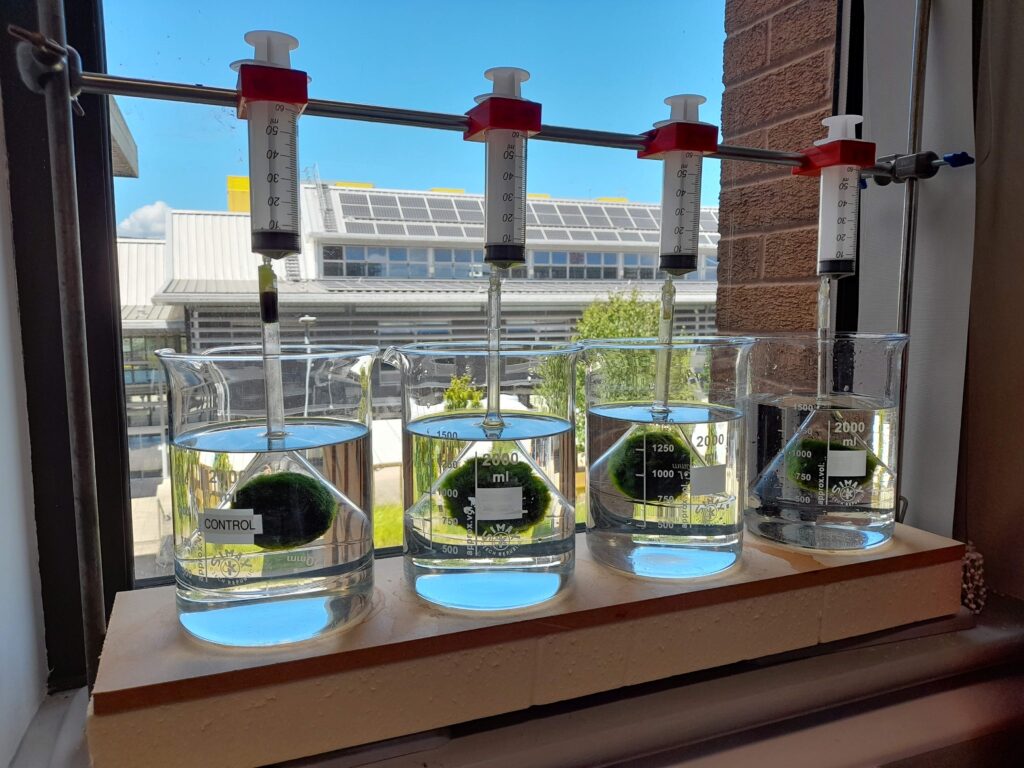
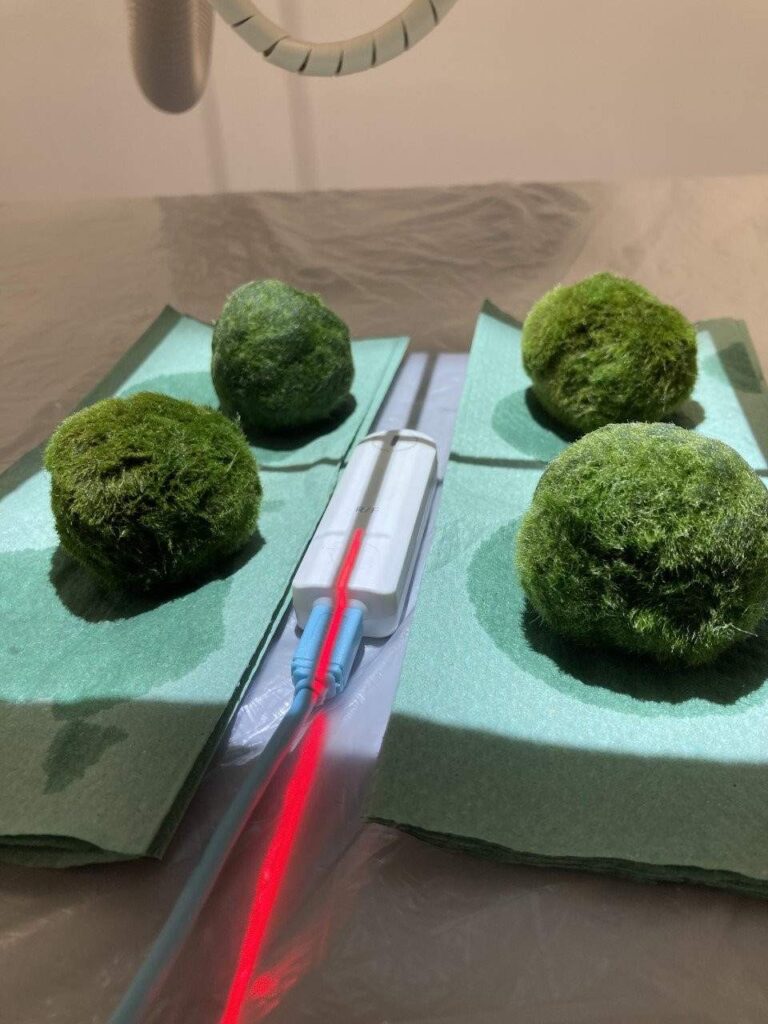
The Marimo green balls of filamentous algae are sold to decorate fish tanks but are also useful at absorbing unwanted particles in the aquatic environment. Neil wondered whether Marimo could be used as cheap biosensors – and so the Marimo-based environmental monitoring project was born.

“We used things we already had in a different way. It didn’t cost much – bit of time and electricity and produced interesting results and a tangible output.”

Work on using Marimo for low-cost environmental monitoring has now developed into two external funding proposals: an EU proposal worth £3 million and a Leverhulme proposal worth £300,000.

Published earlier this year in the Journal of Environmental Science and Pollution Research – the author list stretches across UWE’s academic expertise, with engineers, medical researchers and biosensing experts all contributing to the myriad of experiments which included, X-rays, Raman spectroscopy and optical microscopy.

And Neil’s now looking at applying the algae in a space-related project…

Debate

Guerilla research caused a stir amongst CESR members present at the seminar, exciting all, however the topic of funding was acknowledged to be tricky.

How to justify time spent on these projects? How to keep the projects going when workloads are full? If reliant on student interns what happens when internships finish?

It was the subject of great discussion and debate – ultimately leading to a desire for more collaboration across the university and a new sandboxing channel being set up so innovative ideas could be shared across the Centre for Environment, Society and Resilience.

If you want to find out more, see Neil’s presentation below.

CESR PGRs smash Three Minute Thesis competition!

Posted on

Short talks from three post-graduate researchers from the Centre for Environment, Society and Resilience were recognised in a regional competition on 30th April.

Sayda Mehrabin Shejuti, Sadie Barnes and Amin Reza Omranian all took part in the 3MT (three minute thesis) competition, where candidates are challenged to engagingly sum up their PhD into a three-minute talk accompanied by a single slide. The CESR candidates had great success!

Amin won the people’s choice award and Sadie snagged runner up, only beaten by University of the West of England winner Shejuti!

Here’s a quick run through of their research topics and wonderful slides.

Winner – Shejuti

Shejuti is a PhD researcher with particular interest in the journey of microplastics and plastics in the environment. And this isn’t the first successful talk Shejuti delivered in April – she also captured the attention of Welsh policy makers when presenting at the Environment Platform Wales seminars.

See the slide below she used to capture the audience’s attention at the 3MT competition.

Winning at UWE is just the beginning for Shejuti, she now heads to the National 3MT semi-finals – good luck Shejuti!

Runner-up – Sadie

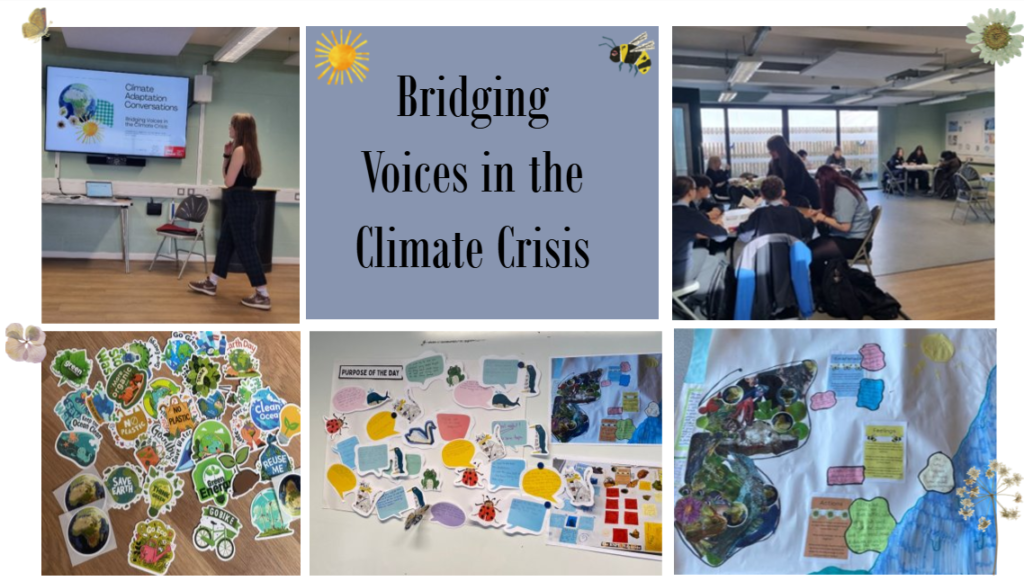
Sadie is getting towards the end of her PhD research at UWE, having collected her last lot of data on youth participation in the climate crisis at the end of March. Her focus has been on exploring how intergenerational dialogue on climate policy in South Wales can be designed to meaningfully include a diverse range of young people. Check out her 3MT slide below.

Good luck with your data analysis and thesis write up Sadie!

People’s Choice Award – Amin

Amin’s PhD investigates factors influencing travel behaviour and strategies to encourage the use of Metro systems. Ultimately he aims to propose evidence-based interventions that foster greater Metro use, reduce car dependency, and enhance sustainable urban mobility. His slide poses a question with the beautiful Welsh countryside (a nod to his Welsh government funding) as a backdrop – see below.

Congratulations again to all three amazing researchers!

CESR members join Repair Cafe in Parliament to champion repair and reuse policies

Posted on

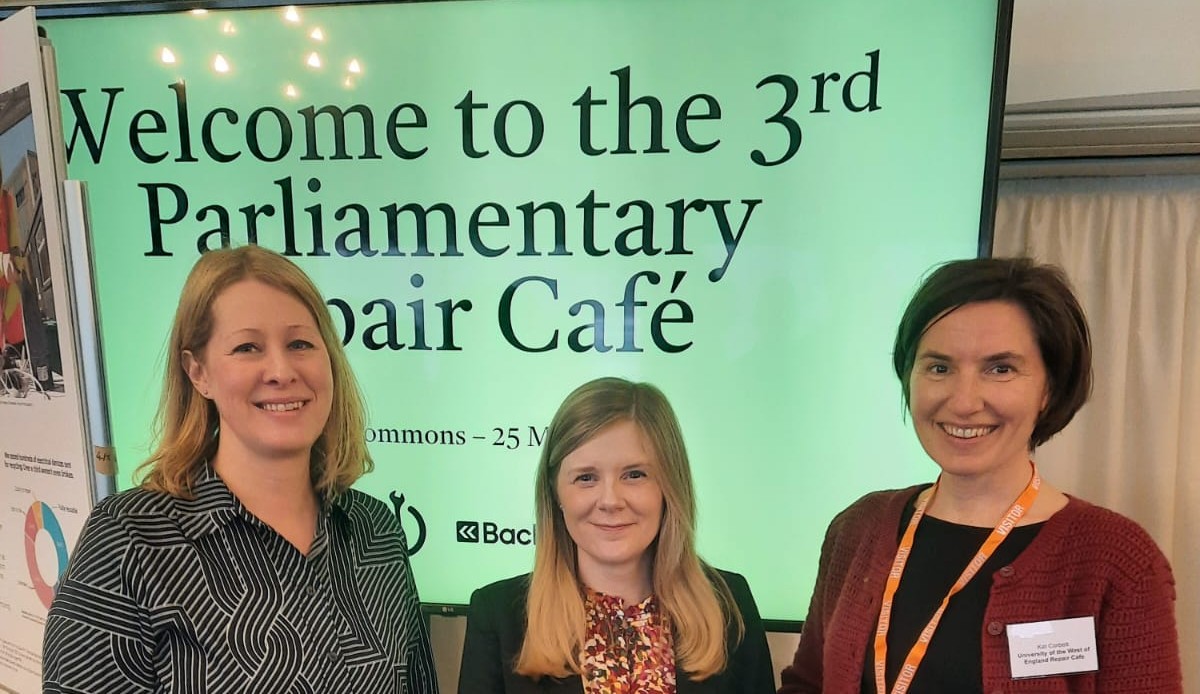
On 25 March, CESR members Laura Fogg-Rogers, Associate Professor for Engineering in Society, and Kat Corbett, Interim Head of Circular Economy and Responsible Consumption and MAKERS Project coordinator, joined repair groups from across the UK at a Repair Cafe held in Parliament. The event brought together 100 community repair groups and 91 MPs, making it the largest parliamentary repair gathering to date.

Organised by The Restart Project and Back Market, with support from SUEZ and Green Alliance, the event was a powerful call for policies that make it easier to repair everyday items and build a thriving circular economy. The Repair and Reuse Declaration, which now boasts 143 MP signatories, was a central focus, highlighting growing political commitment to repair and reuse.

Laura and Kat attended to champion the UWE Bristol Repair Cafe at the School of Engineering, alongside their links to Winterbourne and Frampton Cotterell through Frome Valley Environmental Network CIC, as well as Eastville Repair Cafe. Through co-leading the Bristol Repair Coalition with Mark Jacobs, (Member of the Bristol City Environment Board and Associate Lecturer UWE Bristol) and Teresa Dillon (Professor, Art, Media & Spatial Practice at the Winchester School of Arts, University of Southampton), they aim to accelerate the circular economy regionally and support local green jobs in repair and reuse. The Bristol Repair Coalition was established in March 2024 by Repair Acts, an artist-led materials research group that explores repair and maintenance cultures across the UK and internationally.

Laura Fogg-Rogers said, “we were delighted to be joined by MP Claire Hazelgrove to show support for the value of local Repair and Reuse green jobs.”

Kat Corbett added, “The Restart Project have done an incredible job in creating an environment for repair activists to build the momentum we need to drive change. And in doing so, they have also managed to create a real community, too.”

The day featured hands-on repair demonstrations, including Team Repair engaging a school group in fixing gadgets, and volunteers repairing items such as hairdryers, irons, and kettles alongside MPs. A particularly memorable moment was when a volunteer from the London based Fixing Factory, returned a repaired toaster to BBC presenter Sean Fletcher, who spoke about the item’s emotional value.

The event took place at a pivotal moment as the UK government prepares to publish its Circular Economy Growth Plan. Mary Creagh, Parliamentary Under-Secretary of State at the Department for Environment, Food and Rural Affairs, spoke about the importance of prioritising repair and reuse in this strategy. The repair community’s hopes for the plan include:

  • Reducing the cost of repair to support local residents and repair businesses, as demonstrated by the ReLondon Electrical Repair Voucher Scheme trial.
  • Aligning UK Right to Repair laws with, or exceeding, EU standards that mandate spare parts availability and durability requirements for devices.
  • Addressing the vast number of working products currently shredded for recycling, with repair and reuse targets to prevent unnecessary waste.
  • Boosting repair skills through government support for training, accreditation, and apprenticeships, helping to grow a new generation of skilled fixers.
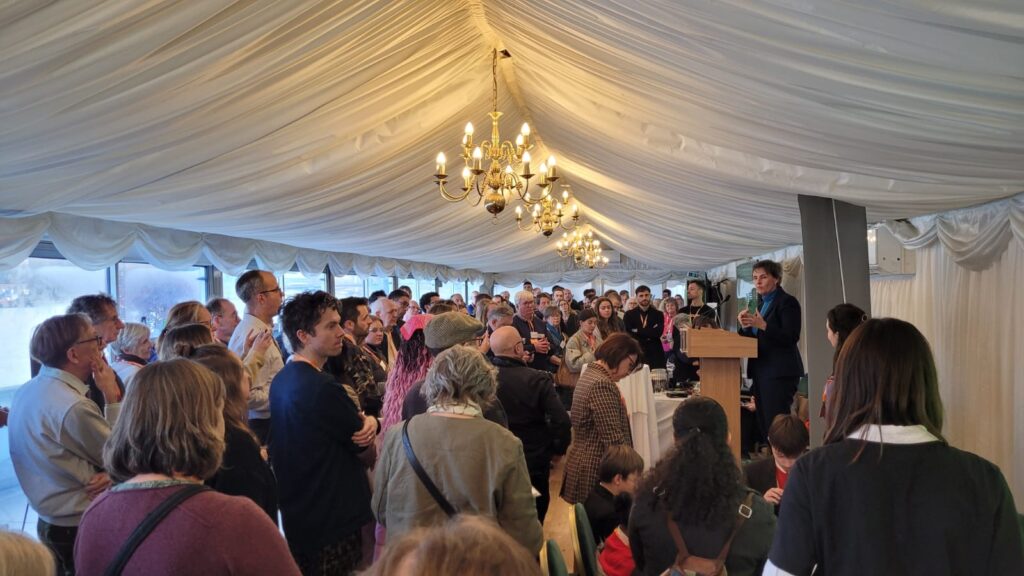
Mary Creagh, Parliamentary Under-Secretary of State at the Department for Environment, Food and Rural Affairs, giving a speech at the Parliamentary Repair Cafe

As the repair movement grows – from grassroots Repair Cafes to global platforms for reselling refurbished technology – the community stresses the need for policy frameworks that remove barriers and provide support at scale.

With overwhelming public support (four in five people in the UK want the government to back repair initiatives) there is a clear mandate for change.

Back to top