Why I love Glenside, by Kathy Kantor

Posted on

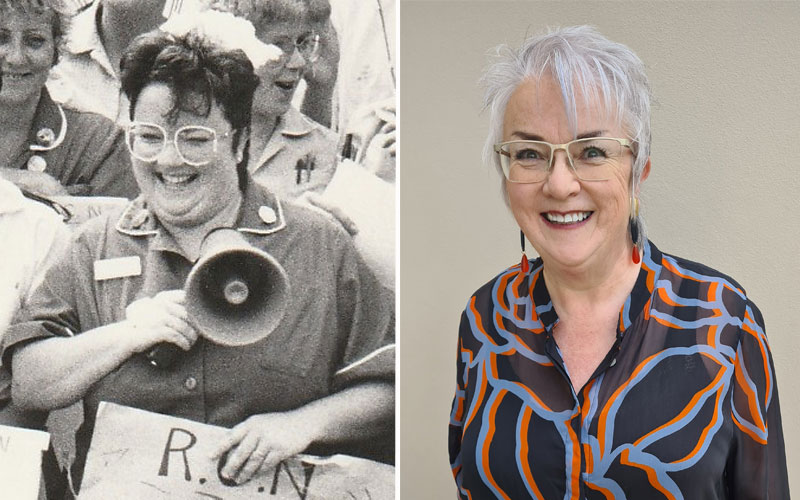
Kathy at ‘Nurses Day of Action’ 1985 (photo © Bristol Evening Post) and Kathy now

I first went to Glenside in 1978. I was a second-year student nurse at Frenchay Hospital. The course offered secondments to experience other branches of nursing. I thought I’d try Psychiatry.

Student life in the Nurses Home, 1970s

I moved into the Nurses Home at Glenside and immediately knew I’d found my people. They were mostly alternative and international. They went to the same music clubs as me, though I didn’t know any of them yet. They cooked incredible international cuisines in the big, shared kitchen.

Nurses Home moving in day 1978 and Kathy’s student nursing cohort

My room was on the second floor about halfway along. It looked out onto the road. I can still see the room every time I drive past now.

One night we went to The Old Tavern pub (currently being converted into student accommodation) and got kicked out for snogging my now husband. I always said he was a bad influence on me!

My psychiatry placement at Glenside Hospital

On my first day on duty at Glenside the few of us who’d opted to do our secondment there were shown around the wards. Most of them were locked wards, so we had to ring a bell and wait to be let in. The wards were opened by a series of casually dressed people, with cigarettes hanging from their mouths. We were all in our starched uniforms and caps.

It turned out that the people who opened the doors to us were the Charge Nurses! We couldn’t believe it. But very soon we settled into wearing ‘mufti’ on shift and became acclimatised to the much more relaxed ways of Glenside. In fact, some of us took the opportunity to wear non-uniform too far and were occasionally reprimanded by the matron for being too scruffy or wearing revealing clothing.

While I was there, we had to write an essay on our nursing experience, and I wrote about a trip where we took some patients from our ward for a day out. I got a very high mark for this piece of work and the tutors at Glenside suggested I submit it to a Nursing Journal for publication, which I did, and it was.

There was a wonderful canteen at Glenside, and it became the done thing to have tomatoes on toast for breakfast. Several of us from each ward took breaks at the same time, and we’d always order a large number of tomatoes on toast with large mugs of tea, and all sit around a big table.
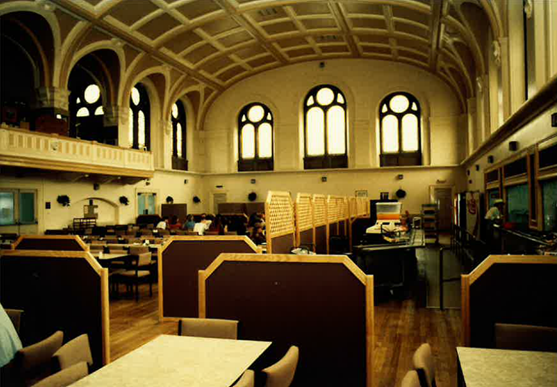
Glenside dining hall circa 1970s

Working at Bristol Royal Infirmary

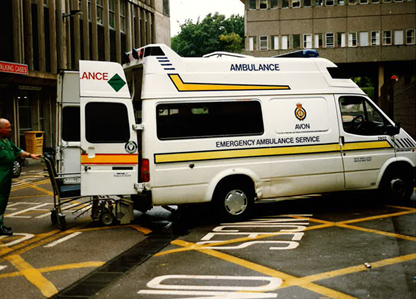
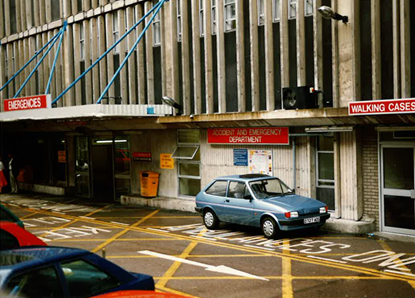
I qualified as a State Registered Nurse in 1979, and after working as a staff nurse on a couple of wards at Frenchay Hospital, I moved to Accident and Emergency (A&E) at the Bristol Royal Infirmary, becoming Sister-In-Charge of the A&E ward for all of the 1980s.
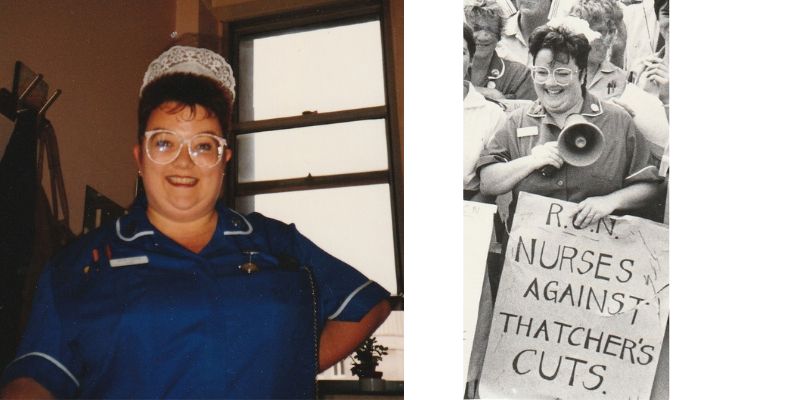
Kathy at Nurses Day of Action, 1985 and as ward Sister-in-Charge at Accident and Emergency

Bristol Royal Infirmary Accident and Emergency, 1980s

Returning to teach at Glenside

My husband and I adopted two children, and I returned to the A&E ward for a short while as a part-time staff nurse. There was no Adoption Leave then.

Then happily, in the mid-nineties, I was asked to teach some clinical skills at Glenside which was by then a Campus for the University of the West of England teaching students of Nursing, Midwifery and Allied Health Professionals. We lived in Fishponds, so we were only a stones’ throw away.

It was such a joy to be back. The buildings were so beautiful, I’d forgotten just how beautiful. Incredible original tiled floors, glorious Victorian architecture, stone buildings.
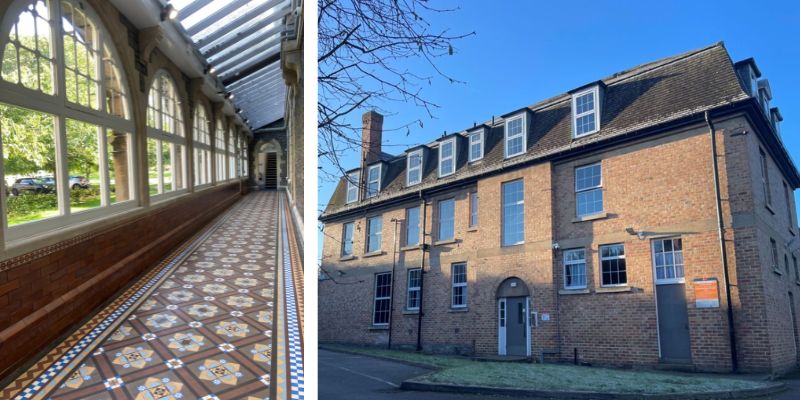
Victorian tiled corridor at Glenside Campus and The Hollies student accommodation

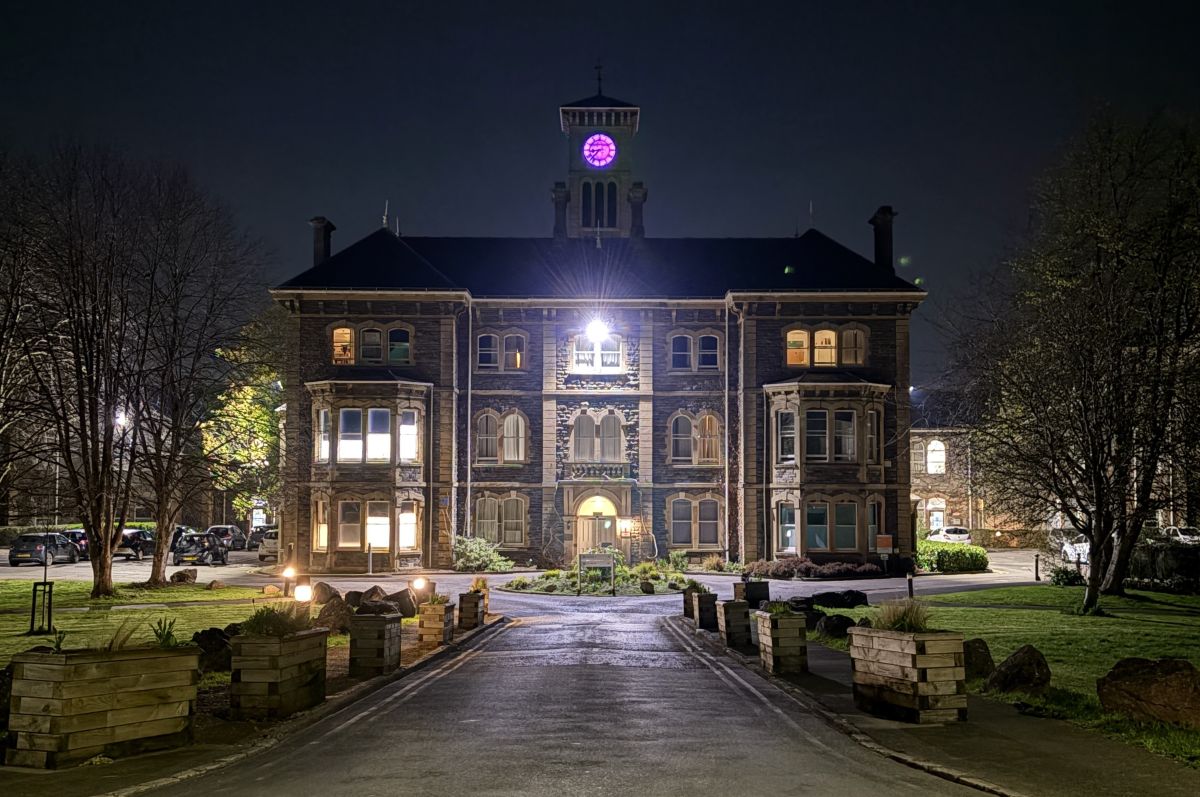
It was built in 1861 and is Grade II listed.  It has a stunning clocktower and symmetrical wings, with enclosed courtyard gardens all set in an incredible arboretum. The beautiful red brick Nurses Home was now called The Hollies, and was student accommodation.

I began by teaching clinical skills, and manual handling. I moved on to facilitate work-based learning days and supervision of learning days, where students in clinical practice came back to the university to make sense of their experiences using evidence-based practice, in reflective groups.

I absolutely adored it. I stayed there as a Visiting Lecturer in Adult Nursing until I was 60, in 2017, when I retired.
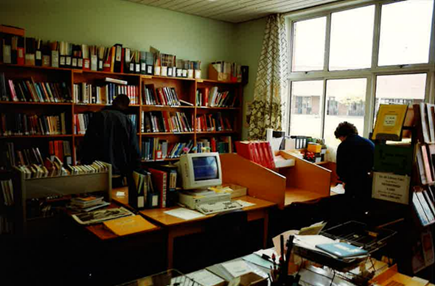
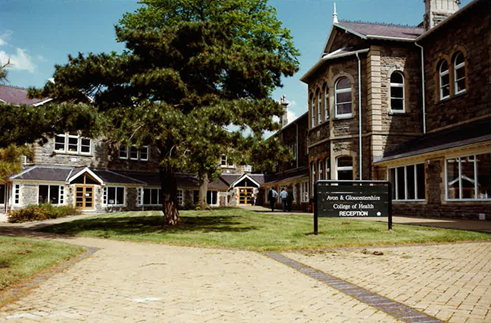
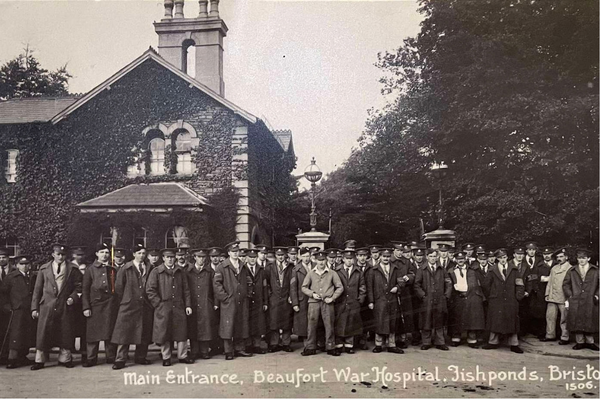
Glenside library office circa 1990s and Glenside main entrance circa 1990

I loved working with the students at Glenside. They were so motivated and enthusiastic. So questioning and thoughtful. I seemed at home in helping students work in ways which were useful for them.

We considered their interests e.g. a student who didn’t often participate in the group told us that he was most interested in reading scientific journals about the latest healthcare developments, so we agreed that each week he’d bring headlines to the group of what he’d been reading. I can still recall that day he brought information about micro skin sensors, and we all wondered whether that would really be possible. Now, of course, that’s an everyday reality.

Why I’ll always love Glenside

I still live nearby and love to drop in and see the old place. I love Glenside because it helped me know myself back in the day when I found my people, and because it gave me the opportunity to work in the way I wanted, in the most beautiful setting. I’m forever grateful.

Kathy and her husband, 2024
30 years at Glenside

Posted on

Written by Carly Wong from Glenside Hospital Museum.

Glenside Campus has been part of UWE Bristol’s story for the past 30 years. Thousands of health and social care students remember their time learning in this unique building and it’s beautiful grounds.

The site’s long history has been shaped by care, community, and evolving ideas about health and wellbeing. These same values continue to define the campus today.

Come on a trip down memory lane with Carly Wong from the Glenside Hospital Museum. Explore the rich and often surprising history behind the buildings, grounds, and hidden spaces holding stories of those who lived, worked, and were treated there, as well as those of students past and present.

Photos taken throughout the ages uncover how its past has shaped the spaces we use to this day.

The Heart of Glenside

The Main Building

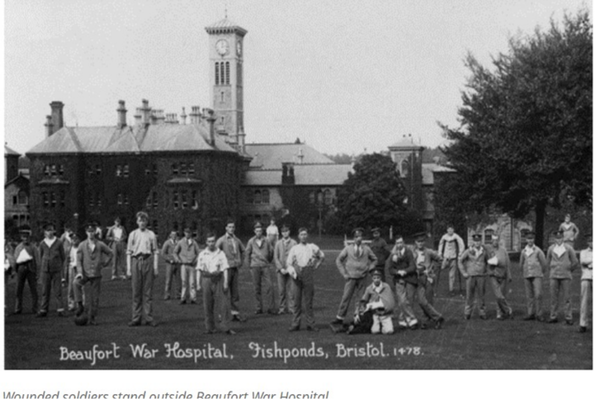
What is now UWE Bristol Glenside Campus was once Glenside Hospital. It was originally purpose-built as Bristol Lunatic Asylum in 1861 and remained as a hospital until 1994.

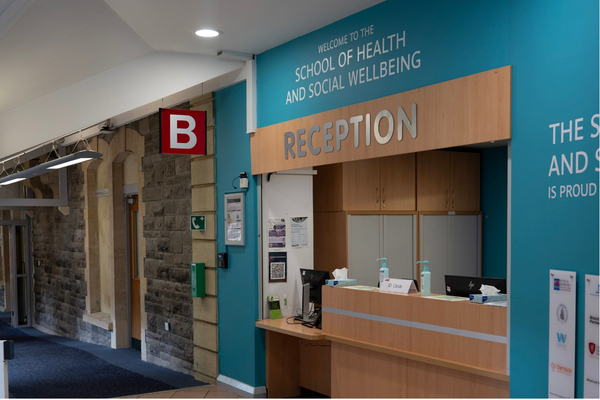
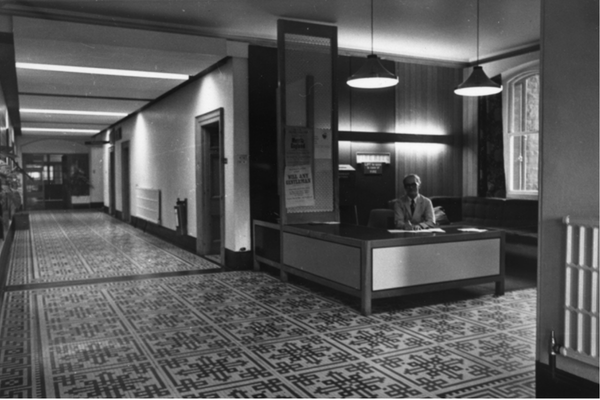
Glenside reception has had many faces and locations over the years, but one thing remains the same; where the reception goes the heart of the campus follows.

The Clocktower

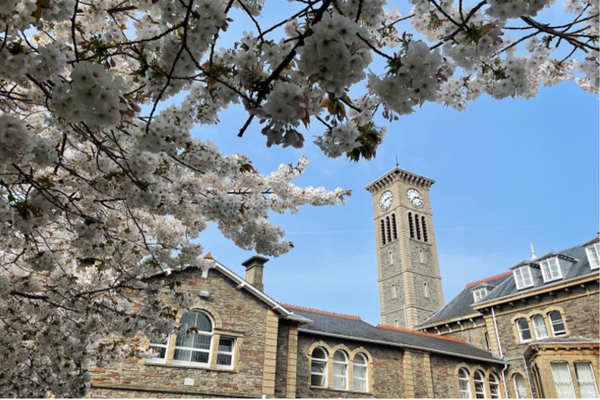
A key piece of Glenside’s visual landscape, the clock tower wasn’t part of the original construction in 1861 but added later, during the extensions and improvements from 1892-1984.

It used to chime loudly every 15 minutes until the bell was silenced during the First World War. In 1952 the bell was sold.

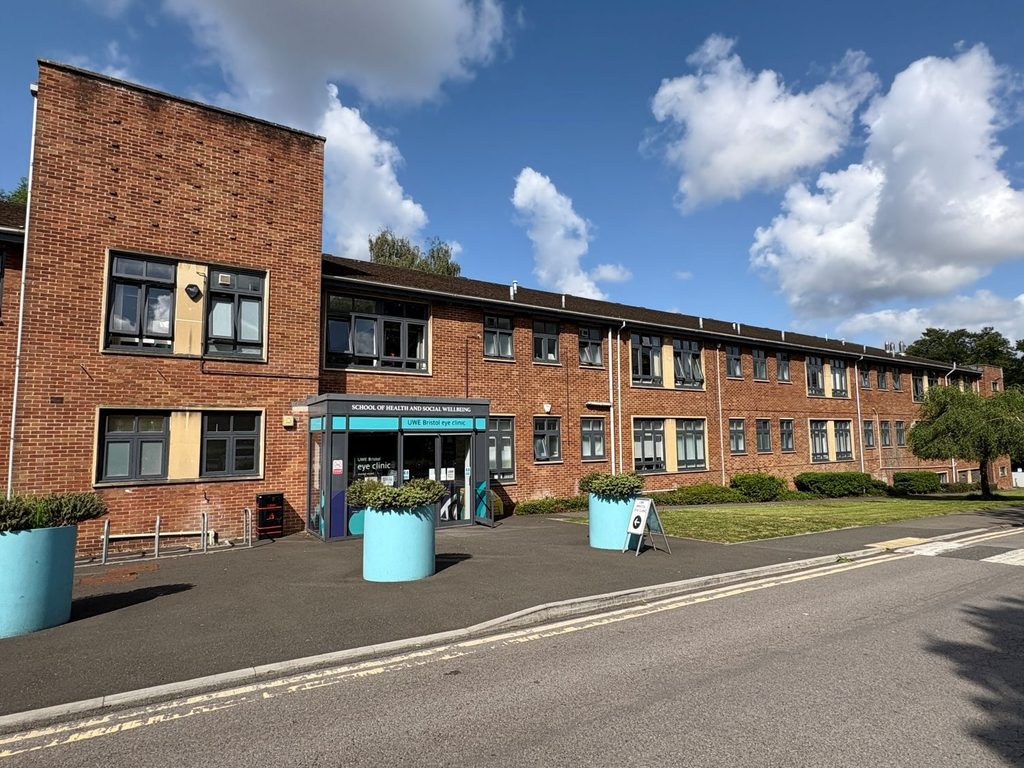
Pritchard Clinic, now Bristol Eye Clinic

Prichard Clinic opened in 1955, named after James Cowles Prichard, a pioneering psychiatric theorist in the formative years of the discipline and one of Europe’s leading anthropologists.

Patients with acute psychiatric illness could be treated in wards which provided more modern surroundings than the rest of the hospital’s Victorian buildings.

It’s now an Eye clinic where our third year BSc(Hons) Optometry students offer eye examinations and contact lens assessments to UWE Bristol staff and students plus specialist appointments to the local community including low vision and paediatric appointments.

Care, Belief and Community

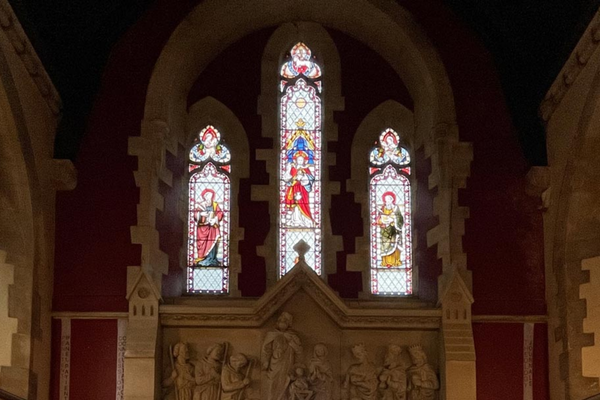
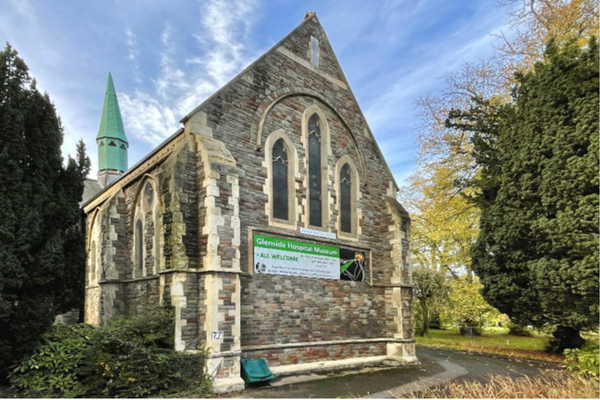
The Chapel, now Glenside Museum

The hospital chaplain Richard Meredith-Jones was affectionately known by staff and patients as “Dick the Vic” and served the hospital for around 25 years.

At Glenside he found his calling.

If patients were unwell, he was known to run across the grass, taking the communion wine bottle, to ensure they were still included in the service.

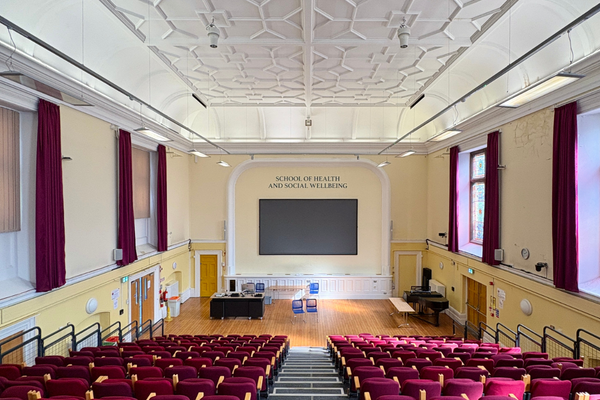
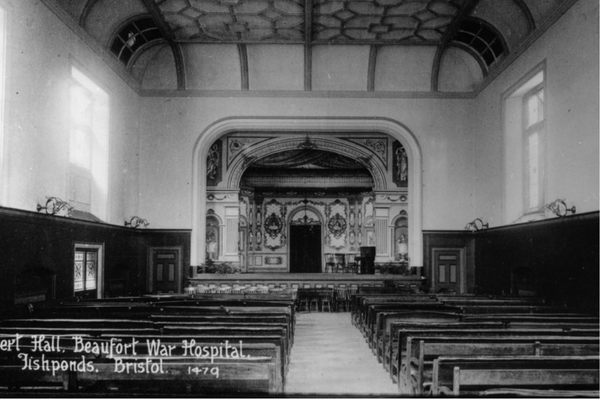
Old Cinema Hall, now UWE Bristol Lecture Hall

Built long before the advent of psychiatric medication, the hospital was designed with the belief that uplifting surroundings could support recovery. Many aspects of the hospital aimed to lift spirits and ease the suffering of patients experiencing mental illness.

Weekly leisure activities also formed part of hospital life, with patients attending films, concerts, and other events in the hospital’s old cinema hall. This hall also hosted Glenside Hospital’s annual Christmas pantomime, performed by staff.

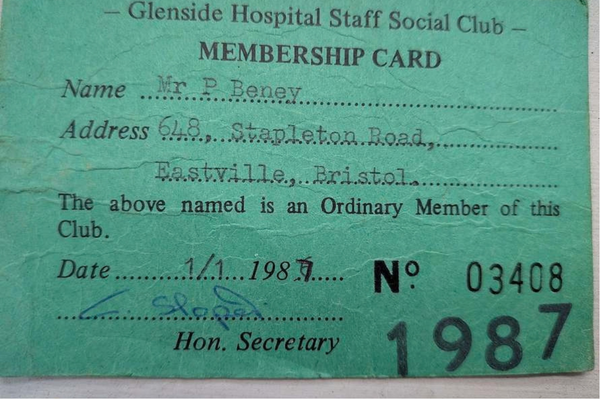
The Social Club

The social club building was used by staff and patients alike:

Mondays to Wednesdays it served as the Sunshine Club, allowing patients a change of scenery, to socialise and relax with a half-pint of beer at certain events.

Thursdays to Sundays the hospital staff enjoyed a vast range of events hosted by the social club, from coffee mornings and jumble sales to bingo nights and cabaret, not to mention all the seasonal events you would expect.

“I remember this being one of the most important documents for a student nurse. Beer at about 70p a pint and a short stagger across the road to the nurses’ home at the end of the evening. Great times.”

Paul Beney, student nurse in 1987 

Daily Routine

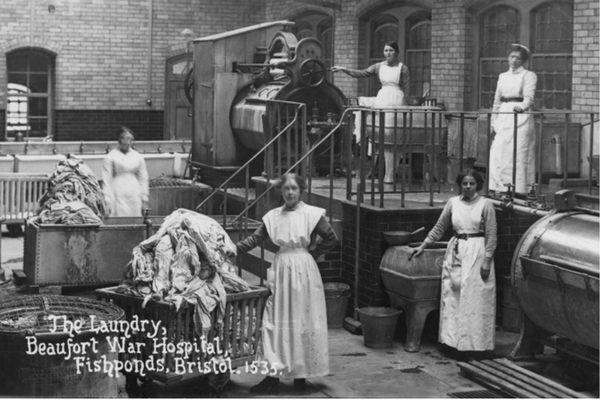
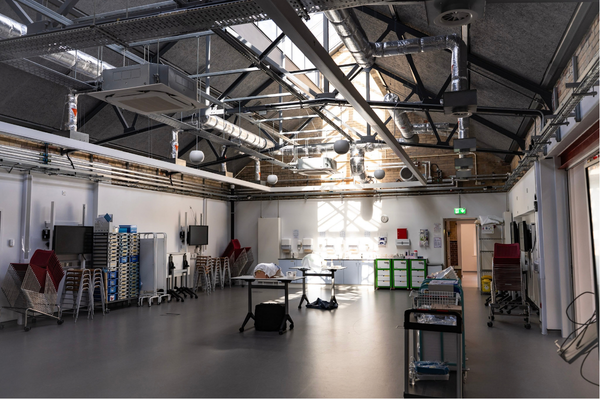
The Laundry

The former laundry area has been converted into a Clinical Skills and Simulation Centre for UWE Bristol, with the development retaining some of its original features and tiling, to offer a glimpse into it’s past life.

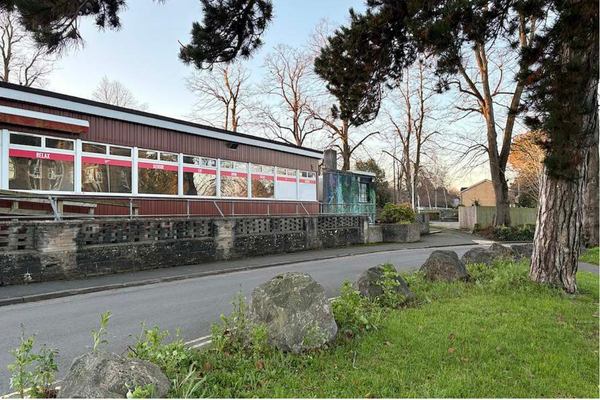
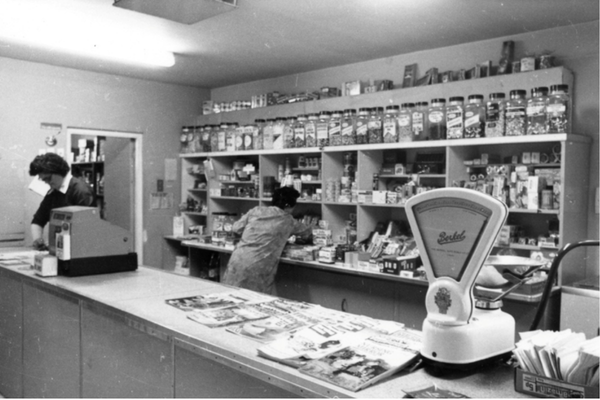
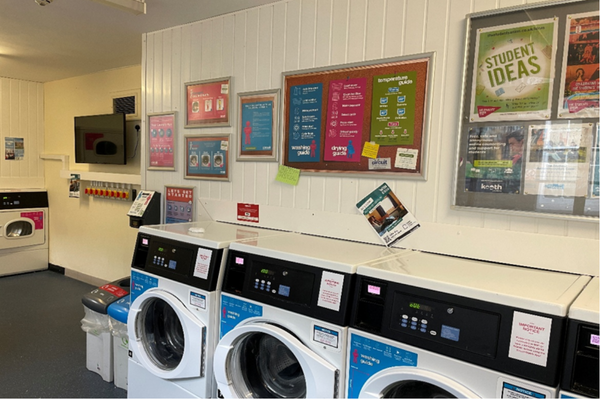
Tuck Shop, now the Laundrette 

Cigarettes were by far the most popular purchase by patients in the hospital shop, though sweets and magazines were also popular. Smoking played a significant role in the lives of psychiatric patients.

Until 1926, patients had been rewarded for good behaviour and part-time work with cigarettes. The Tally System replaced this arrangement, where patients were paid with tokens, which could be spent in the hospital shop. The system was still in use in the 1950s and records show 60 – 70% of the tokens being spent in the shop were exchanged for cigarettes.

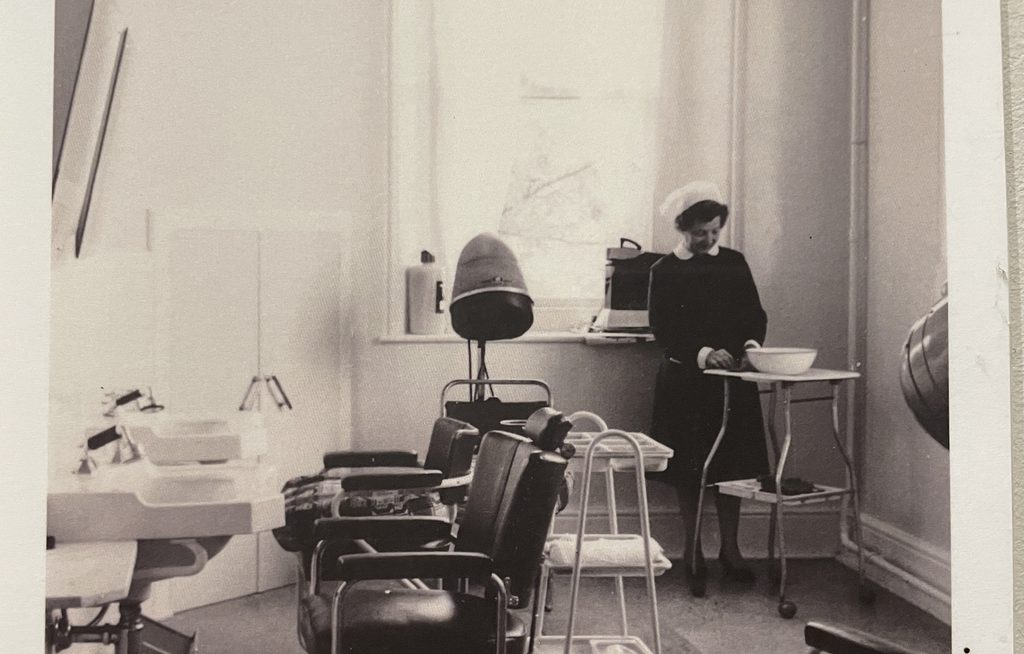
The Hairdressers

In 1947 a room for hairdressing was created, away from the main wards on the male side of the hospital. In 1959 the barbers opened next door.

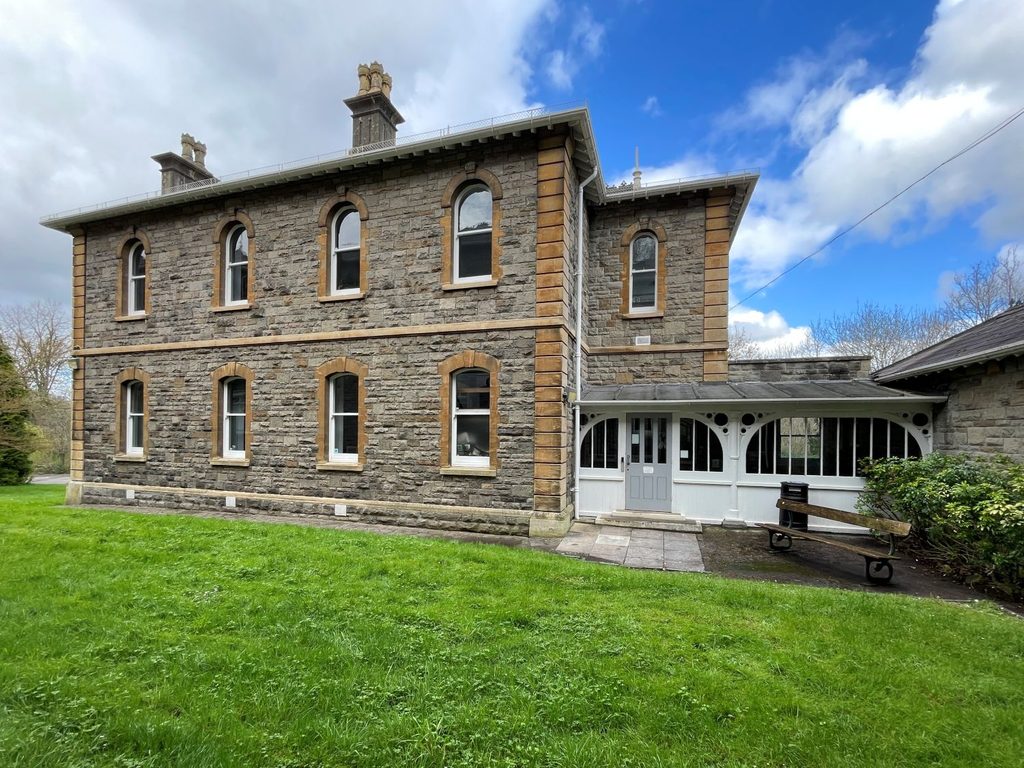
In the 1980s the community psychiatric nurses were based upstairs in this annexe, adjacent to Ward 18. 

“It was sort of an adoptive family in there. It was another world, the whole place at that time was a very happy environment. Everyone was very friendly”

Jean Martin, a hairdresser at Glenside from the 1970s through to the 1990s. 

Living and Working at Glenside

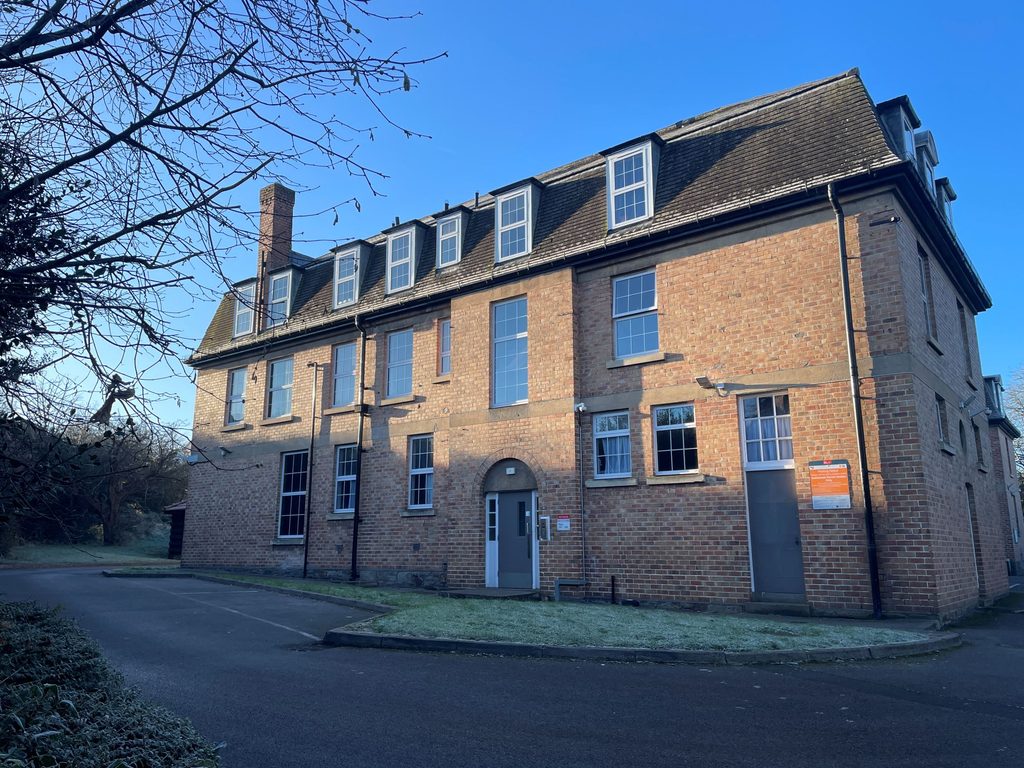
Nurses’ accommodation, now The Hollies student accommodation

Located directly opposite the main grounds, the nurses’ home provided basic but convenient accommodation for Glenside Hospital staff, being just a couple of minutes’ walk away from the hospital.

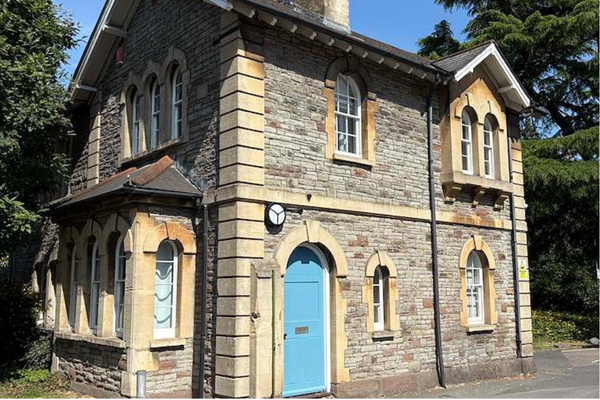
Top Lodge

Top Lodge is now set up as a mock-up of a 2-bedroom house to be used as the UWE Bristol’s ‘Crime Scene House’. Conducting simulations of real-life situations for students.

The hospital’s resident lodge porter lived at Top Lodge, next to the main entrance. He would lock the hospital’s main gates at 11pm. Upon locking the gates, he would then go off duty, only available in an emergency throughout the night.

“The food at Glenside was amazing but also cheap. Cooked breakfast. Hot meal at lunch. Three options. Best freshly cooked omelette ever! The evening meal was also good. 
While I was there the patients always ate on the wards, the staff ate in the canteen… patients would often wander in looking for cigarette butts.”

Gail Milton, a nurse at Glenside in the 1980s

Glenside’s hidden reservoir:

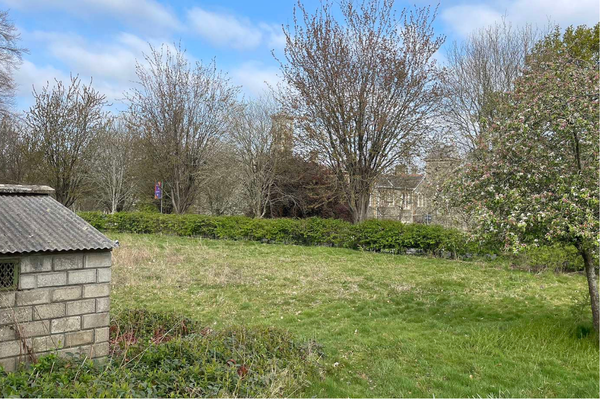
The Reservoir

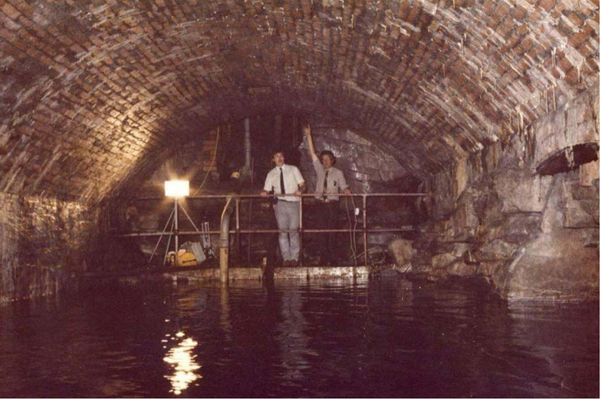
This beautiful, fenced area of wildflowers, hides an interesting secret: underneath it is the hospital’s old reservoir.

When opened in 1861, the reservoir was constructed to hold a million gallons. Initially the reservoir was the primary source for water for staff and patients however it was later found that the water was not pure enough for consumption.

When it became defunct, a brick built arched roof was built over the water and a meadow was laid on top to hide the reservoir from view.

“There used to be a small boat on the underground reservoir for inspection, I can remember going into through the doors and down to the reservoir when I was a student nurse at Glenside Hospital. It was very eerie”

Liz Viner

About Carly

Carly Wong looks after the digital side of life at Glenside Hospital Museum, including being the voice of its social media.

She first joined the museum as a volunteer because of her late father, who worked
at Glenside as a psychiatric nurse.

Away from the museum, Carly is happiest on a tennis court or hanging out with her cats


UWE Bristol alumni – quick links

UWE Bristol Alumni homepage

Sign up for offers and fundraising and update your details

Join Alumni Connect online mentoring network

Explore Alumni benefits and discounts

Support UWE Bristol Fund

Back to top