

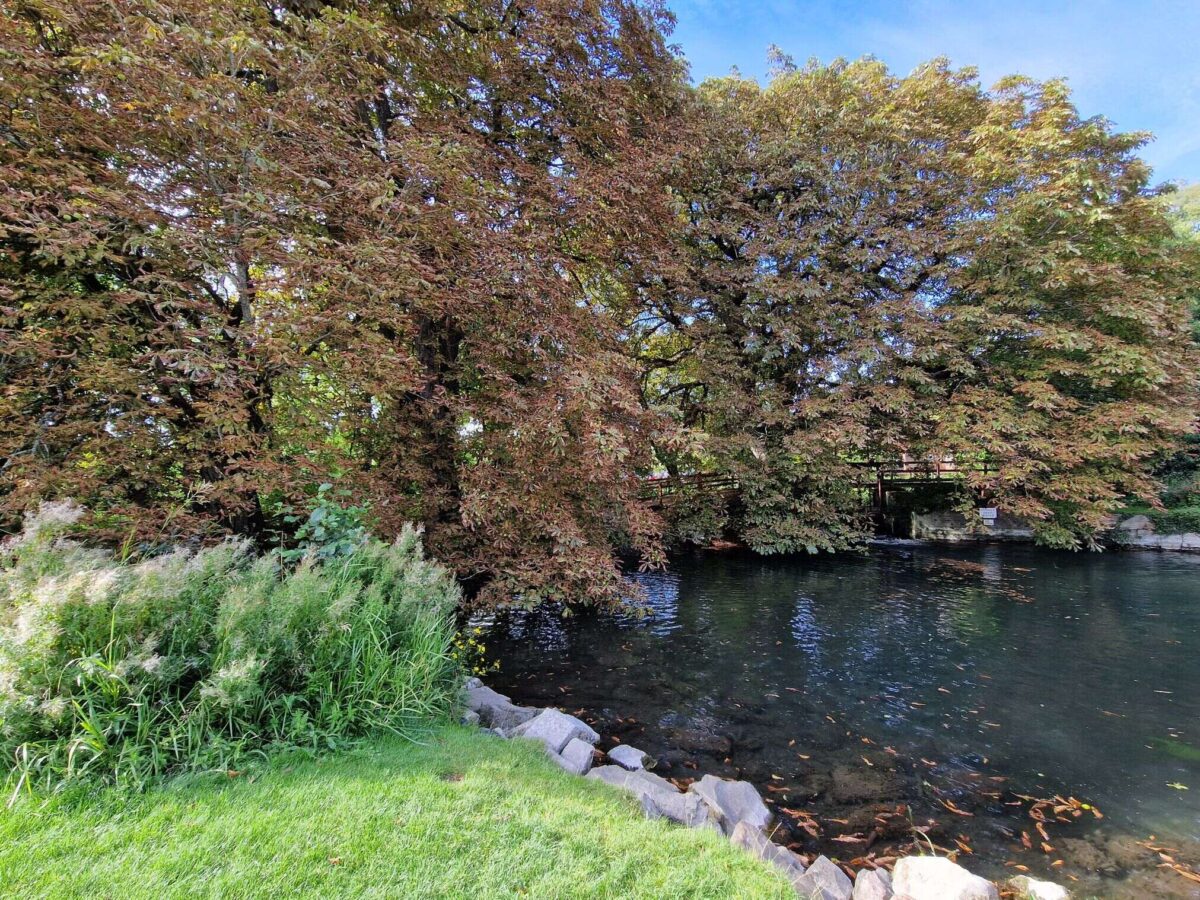
A community showcase of river memories, changing waters, shared knowledge and possible futures. By Erika Peklanska
Imagine stepping into the Court Room at the Town Hall, in Marlborough, Wiltshire, and finding it transformed: a painted river, a model catchment, knitted graphs and a tree covered in wishes.
This was the scene on Saturday 18 July 2026, when the Court Room became the “Final Dock” of Waters of Change: Marlborough’s Journey Toward Resilience. The project formed part of my PhD research and explored a simple question: what happens when computer models and local knowledge are brought together to understand the River Kennet and imagine its future?
Through workshops, a group of curious local people and I explored how water moves through the catchment, shared memories and experiences of the river, and thought about its future. Together, we used these different ways of knowing to think about floods, droughts and how Marlborough might become more resilient to changing waters.
The free, family-friendly event came at a timely moment. After a long spell of hot, dry weather, the effects of drought were becoming increasingly visible across the country. Questions about how we live with too much, or too little, water no longer felt distant.
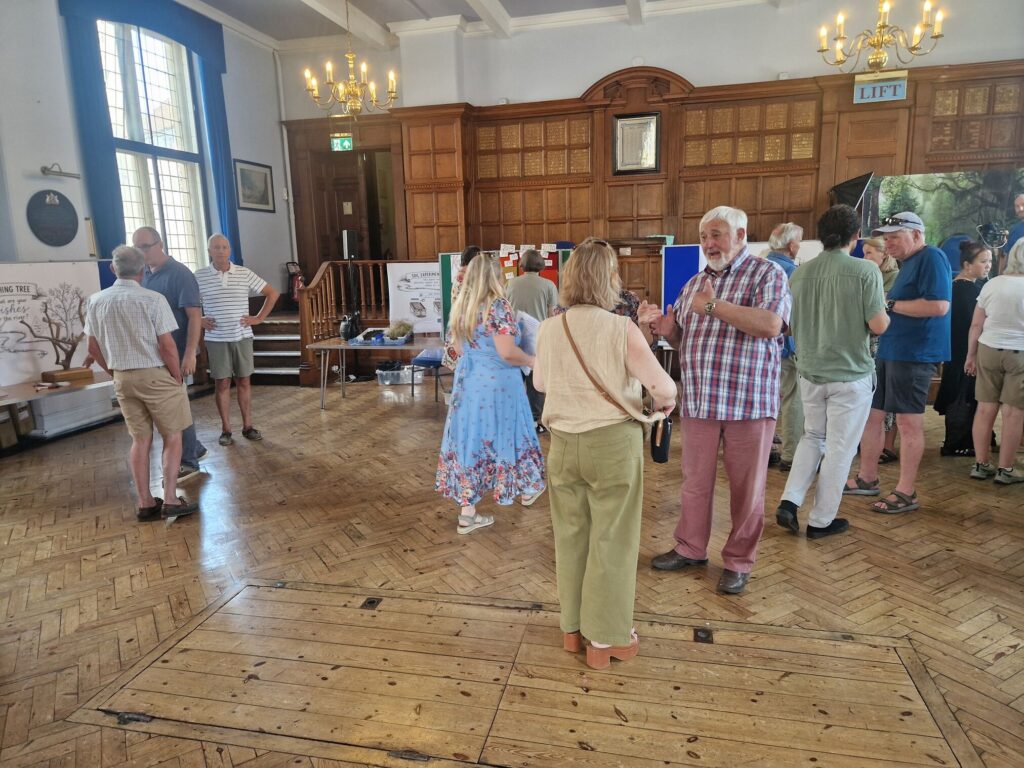
At the entrance, visitors received a small pouch and a map guiding them through five stopping points around the showcase. The route told one connected story: the story of the River Kennet, how changing weather patterns can alter its flows and bring periods of flood and drought, and how we might learn to live with those changes together.

The showcase marked the close of one chapter in a research journey that local people and I had taken together. Yet as people explored, talked and added their own experiences, it felt less like an ending and more like the beginning of something new.
The people who carried the journey
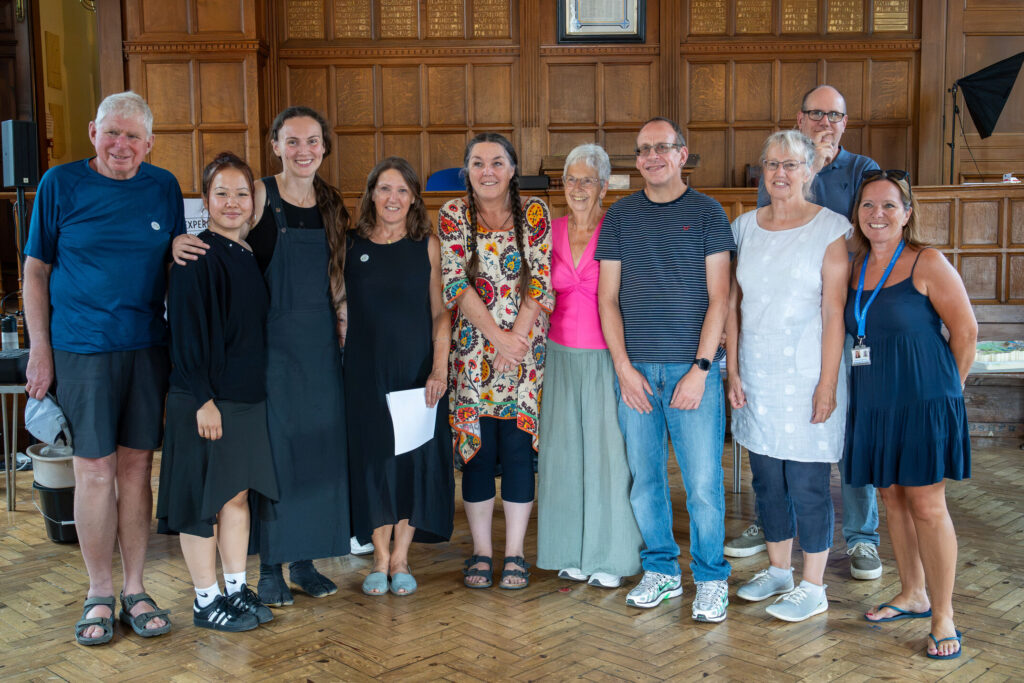
Every journey needs people willing to take the first steps. Before the showcase, a group of local residents joined a series of workshops about the river, floods, droughts, hydrological modelling and resilience. They did not come as experts. They came with curiosity, bringing memories, questions, observations and their own connections to the river. They wanted to understand how water moves through the landscape, how computer models represent that movement and what changing conditions could mean for the River Kennet and Marlborough. Through the workshops, they became what I came to call our “curious local champions”: people ready to share what they had learned, ask important questions and speak up for the river and their community.
At the showcase, the local champions welcomed visitors, led activities and shared discoveries and personal experiences. They did not tell people what to think. Instead, they opened conversations about resilience and helped others see that they, too, could have a voice in shaping the river’s future.
The showcase was a public story told through many voices, and visitors were invited to add their own.
Letters to the River
The map led visitors to a large painting of the river. At Letters to the River, the invitation began with just two words: “Dear River…”
Those words inspired a remarkable collection of personal stories. Some letters expressed simple gratitude:
“Dear River Kennet, thank you for flowing through my village every day, for bringing water and life and joy to our lives.”
Others reflected on the river’s quiet persistence:
“Whatever the weather, you just keep meandering on, bringing life and sustenance along the way.”
Many held a lifetime of memories: childhood fishing, family swims, first sightings of kingfishers and long walks beside the water. One person described how a childhood fascination with caddisflies grew into years of river monitoring, teaching children and searching for trout nests:
“The river is definitely my happy place… There is nowhere else I’d rather be.”
But loving a river does not mean ignoring the challenges of living beside it. People also wrote about pollution, declining wildlife and the fear that comes when water levels rise:
“The only time I am not fond of the river is when levels increase… and threaten to overwhelm those who live beside it.”

Together, the letters showed how deeply the river is woven into everyday life. It is loved, relied upon and remembered, and sometimes feared. The conversation will continue after the showcase. As the painting travels around Marlborough and joins other events about water, more people will have the chance to add a letter.
Living with changing waters
The letters led naturally to the next question: What happens when the river changes?
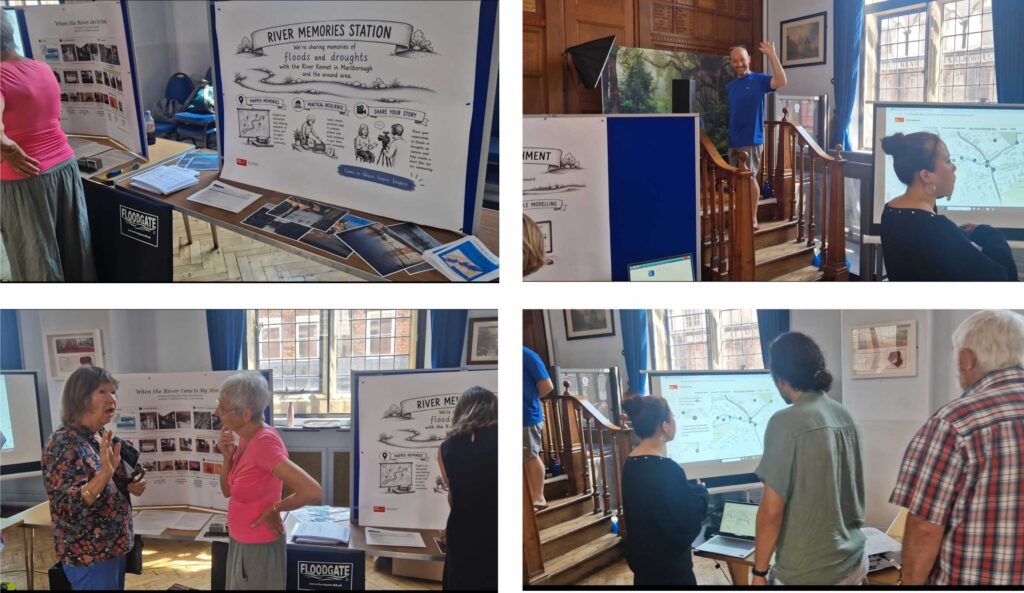
A local flood hero brought the subject down to earth with practical ways to prepare for flooding. The display opened conversations around questions many people may have asked: What can I do if the water rises? How can I protect myself and my home?
An interactive StoryMap then brought together photographs and personal memories of floods and droughts across Marlborough and the surrounding area. A short film added more local voices, with people describing their relationships with rivers and changing waters.
Floods and droughts were no longer just lines on a map or numbers in a report. They were part of people’s homes, routines and memories—stories of what they had feared, protected, lost and learned, as explained in the video here: https://share.descript.com/view/Tr2FNvH3sL7
Making science visible
The next part of the journey explored the science of how water moves through the landscape.
Physical and digital models brought the area around the river to life. A three-dimensional river model let visitors trace water from rainfall to river, while a computer model of the catchment called SWAT+ showed how rainfall, land use and other conditions can influence river flows.
A model is not a crystal ball. It cannot tell us exactly what the future will bring. But it can reveal hidden connections, help us explore different possibilities and, perhaps most importantly, encourage us to ask better questions.

Understanding water also means looking at the land beneath our feet. Two soil trays showed how different ground conditions can affect erosion and the movement of water. Permaculture materials introduced ways to care for and restore soil, alongside examples of local work already supporting healthier land and communities.
Among the displays were three unusual graphs. They showed modelled soil erosion for the present day, 2050 and 2070, but they had not been printed by a computer. The mother of one of the local champions had knitted them.
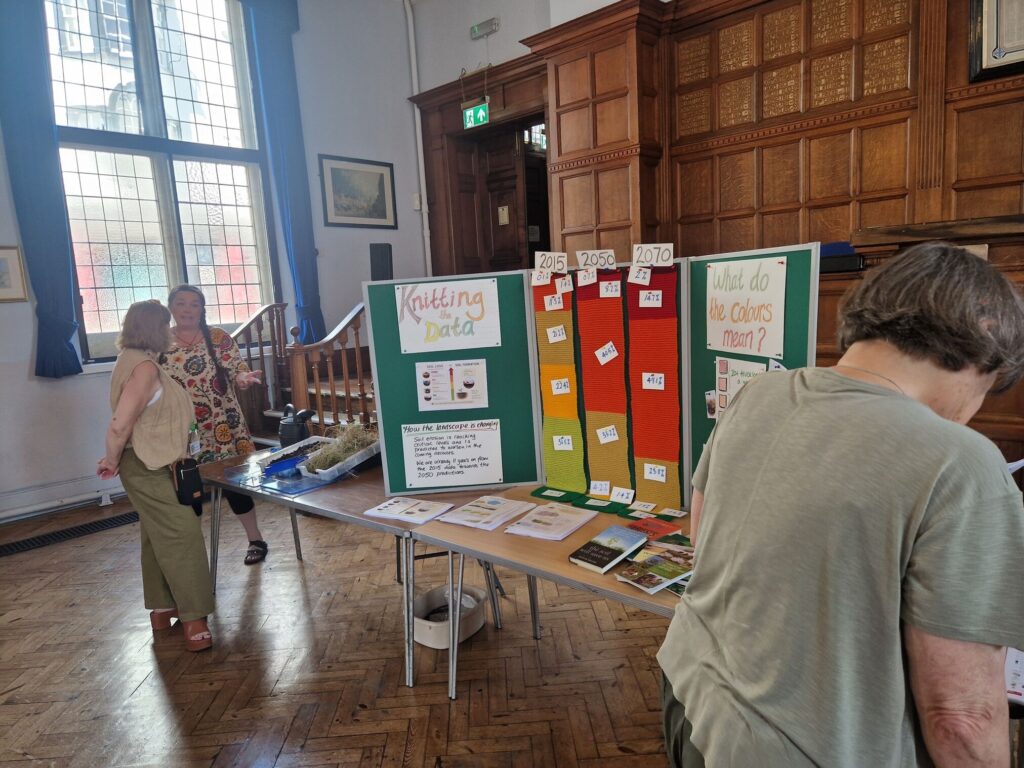
The knitting turned numbers on a screen into something people could approach, touch and talk about. Science, care and creativity came together, making possible futures feel more real.
Imagining the future
The displays invited visitors to use imagination not as an escape from reality, but to bring together what we remember, what we know and what the evidence suggests may happen. This led to another question: If this is what we value, and this is how our waters may be changing, what kind of future do we want to help shape?
Visitors answered on water-drop-shaped cards and hung them on a wishing tree. One by one, individual voices formed a shared picture of resilience.
Some wishes were simple and full of hope:
“You will be clean and healthy and full of life.”
Others spoke of the comfort a river can bring:
“A place for me to unwind and be close to nature.”
Wildlife appeared again and again, from fish and plants to the smallest creatures living beneath the water:
“I wish for the river to have lots of fish and bugs swimming in it.”
Some wishes called for wider action: an end to pollution, stronger responses to climate change and better water education for younger generations. One visitor hoped to see:
“Local commitments to preserve river environments and build water security.”
There were moments of gentle humour too. One water drop simply asked for:
“Water—preferably clean.”
Together, the wishes imagined a clean, wildlife-rich river flowing safely alongside thriving communities. They also recognised that hope alone is not enough. This future will depend on people, organisations and decision-makers choosing to act.
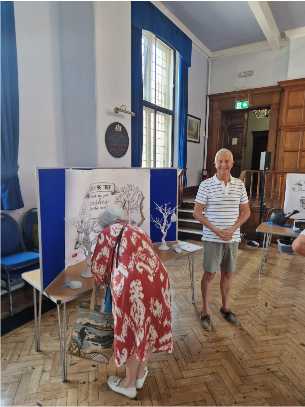
This growing collection of wishes showed that resilience is not only about flood defences, emergency plans or physical protection. It also grows through relationships, local knowledge, care, imagination and working together.
The wishes offered hope. They reminded us that different futures remain possible, and that the choices we make now can help shape them. What would you have written on your water drop?
Taking the journey home
Younger visitors were part of the story too. A children’s corner offered creative ways to explore rivers, floods and droughts, giving families a chance to learn, play and talk together.
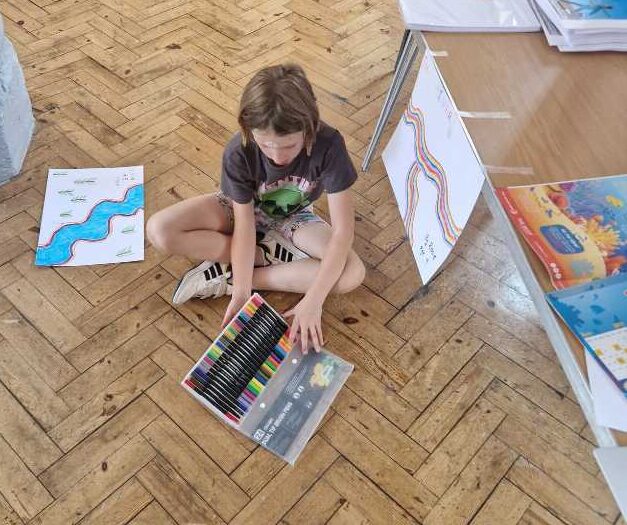
The small pouches handed out at the entrance now had another purpose. Visitors could fill them with posters, activities and information from local organisations and community groups. In this way, the journey could continue beyond the Town Hall doors. A conversation beside a model or wishing tree might travel home, be shared around a kitchen table or encourage someone to think again about their relationship with water.
Why the end is a new beginning
One afternoon cannot make a community resilient overnight. However, it can create space to pause: a chance to bring people together, reveal hidden connections and help everyone recognise that they have a place in the story.
The showcase did not offer one final answer to what resilience means and perhaps it should not. Instead, it presented resilience as an ongoing relationship with the river, with change, with knowledge and with one another.
The future of Marlborough’s waters has not yet been written. It will be shaped by environmental change, decisions about land and water and how organisations and communities prepare and care. It will also be shaped by the stories we remember, the questions we ask and the futures we are brave enough to imagine.
This chapter of Waters of Change may have ended, but the next one has already begun.
