

Your degree is one part of your story. The placements, the group projects you didn’t enjoy, the part-time job, the society you joined on a whim — those count too, and employers notice them.
When I was working as a part-time interpreter for the UK Home Office, I used to wonder why I’d bothered doing a degree in biological chemistry. Before that, I’d been a chef. Neither job was what I’d pictured for myself when I graduated, and there were plenty of days when I assumed I’d taken a wrong turn somewhere.
I hadn’t. I just couldn’t see yet where any of it was going.
Hello, I’m the new Graduate Outcomes Lead in the School of Applied Sciences, and a Senior Lecturer in Forensic Chemistry. My job is to help you build the skills, confidence and experience that will get you somewhere good after you graduate. I took it because my own route here was a mess, and I’d like to save you some of the worrying.
The turn I didn’t plan
I ended up spending more than twenty years investigating fires and explosions — working out how a fire started and whether somebody started it deliberately. It took me across the UK, the Middle East and Eastern Europe. I now chair a European group of fire investigation specialists, which still surprises me slightly.
One of the high points was a murder case with five defendants that ended up at the Old Bailey (The Central Criminal Court of England and Wales). I spent over three days in the witness box being cross-examined by four defence barristers. I wouldn’t recommend it as a way to unwind. But it taught me something I use constantly – if you’ve prepared properly, you can stay calm while four clever people try to unpick everything you say.
And here’s the thing about those “wasted” years. Working in a kitchen taught me how to function in a team when everything is going wrong at once. Interpreting taught me how to explain something that can seem complicated to someone who doesn’t share my background. That is exactly what you do in a witness box. The jobs I’d written off had been quietly training me the whole time.
When it fell apart
Then the UK forensic science industry shrank, and a lot of the work dried up.
At the time it felt like the end of something. What I actually had were habits — noticing small details, refusing to claim more than the evidence supported — and those turned out to travel well. They took me into checking that laboratories met the right standards, then into international projects, then into running large pieces of change for organisations. Work I’d never have gone looking for.
Eventually I moved into teaching, partly for a saner work-life balance and partly because helping people work out what they’re good at is the most satisfying thing I’ve done.
What I’d tell you
Your degree is one part of your story. The placements, the group projects you didn’t enjoy, the part-time job, the society you joined on a whim — those count too, and employers notice them.
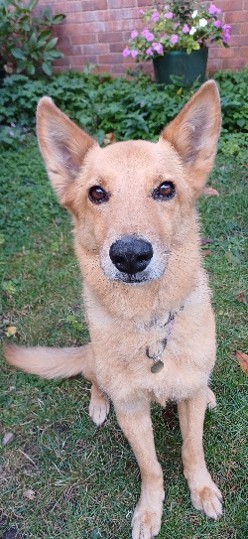
So, be curious, say yes to things, and don’t panic if your path isn’t a straight line. Mine went chef, interpreter, fire investigator, internal auditor, project manager, consultant forensic scientist, university lecturer. It worked out. Outside of work, I’ve played rugby, 5-a-side football, snowboarded and scuba-dived, though I get seasick very easily, so the boat ride out to a dive site was usually worse than the dive. Life now mostly revolves around my two children and our dog.
Come and say hello if you see me around campus. I’d like to hear where you’re hoping to end up.